
Beautiful Plants For Your Interior
Beautiful Plants For Your Interior
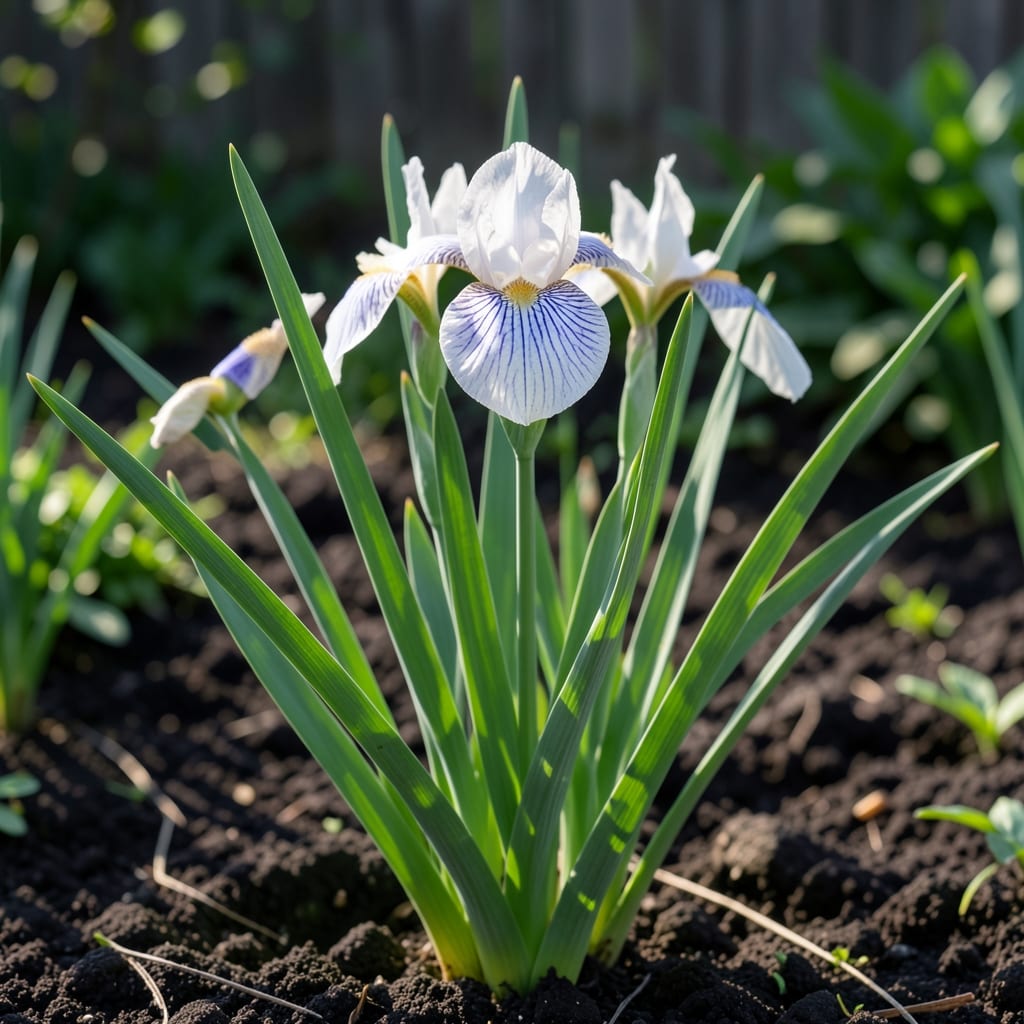
Iris sibirica white swirl is a striking cultivar with white petals adorned by delicate violet-blue veins, thriving in moist, well-drained soil and partial to full sun.
This elegant variety stands out in garden beds with its ethereal color contrast, which attracts pollinators like bees and butterflies. Partial shade works well in hotter climates, while full sun brings out its most vibrant veining. I’ve noticed it performs best when planted near water features or in slightly acidic to neutral soil conditions. ✨
💡 In This Article
This cultivar thrives in soil with a pH range of 6.0 to 7.5, which allows optimal nutrient uptake. A slightly acidic to neutral environment prevents nutrient deficiencies that can dull its vibrant veining. Well-draining soil is critical—soggy roots lead to rot, but consistent moisture keeps the rhizomes healthy. 🌟
Sunlight requirements vary by climate. In cooler regions, 6-8 hours of full sun daily brings out the most vivid violet-blue veins. However, in hotter zones, afternoon shade prevents petal scorch while still delivering enough light for robust blooms. Morning sun is ideal, as it dries dew quickly, reducing fungal risks.
The plant prefers temperatures between 60-75°F during its growing season. It’s cold-hardy down to USDA Zone 3, but mulching in winter protects the rhizomes from freeze-thaw cycles. Consistent watering of 1-1.5 inches per week during the first growing season establishes a strong root system. ⚡
For best results, plant rhizomes 1-2 inches deep and 12-18 inches apart to allow air circulation. This spacing prevents overcrowding, which can lead to disease. A location near a water feature or in a rain garden mimics its natural boggy habitat, enhancing growth vigor.
What most gardeners overlook is the benefit of dividing clumps every 3-4 years. This rejuvenates the plant, improves flowering, and prevents center die-out. The best time to divide is in early fall or right after blooming, when the plant can recover before winter. 💫
Water consistently to keep soil moist but well-drained, providing 1-1.5 inches per week during the first growing season. After establishment, reduce frequency but maintain even moisture, especially in dry spells.
Plant rhizomes 12-18 inches apart to ensure proper air circulation. This prevents overcrowding and reduces disease risk while allowing each plant to reach its full size.
Improve air circulation by thinning plants and removing debris. Apply a preventative spray of 1 tablespoon baking soda in 1 gallon of water every 2 weeks. Always clean pruning tools between cuts.
Divide every 3-4 years in early fall or right after blooming. This rejuvenates the plant, improves flowering, and prevents center die-out.