
Beautiful Plants For Your Interior
Beautiful Plants For Your Interior
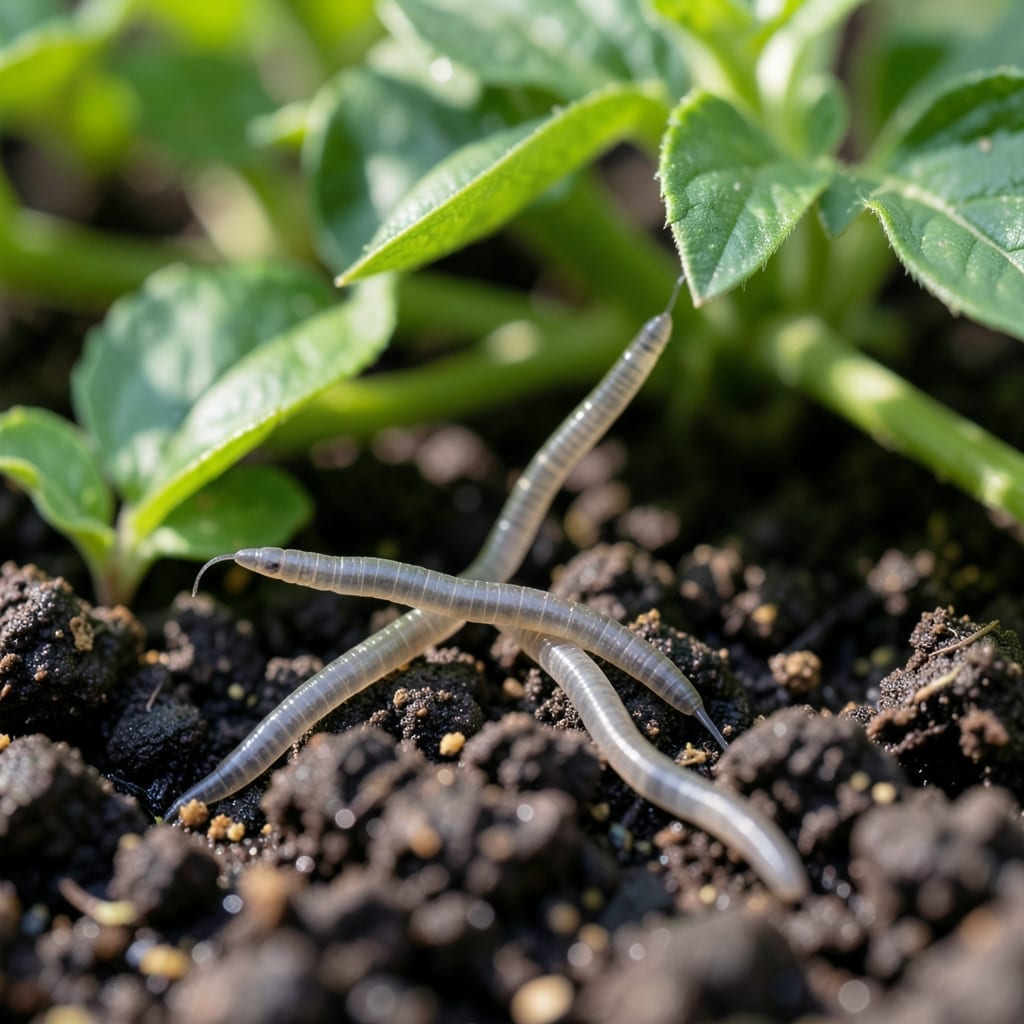
Timing is everything when it comes to applying Beneficial Nematodes 🌱. These microscopic allies can wipe out garden pests, but only if released at the right moment.
Get the schedule wrong, and you risk wasting both time and money. The key lies in understanding their needs and your garden’s conditions.
Discover when to apply them for maximum effectiveness against pests. Let me show you how to make the most of these natural protectors.
I’ve found that spring and fall are the absolute best times to apply beneficial nematodes. During these seasons, soil temperatures are ideal, and pests are most active, making your efforts far more effective.
For maximum impact, aim for soil temperatures between 55-85°F. Below this range, nematodes become sluggish and less effective at hunting down pests like grubs and cutworms. ☀️
| Condition | Specification |
|---|---|
| Best Seasons | Spring, Fall |
| Soil Temperature | 55-85°F |
| Moisture Level | Moist, not waterlogged |
| Time of Day | Early morning or evening |
| Target Pests | Grubs, cutworms, root maggots |
I always check the soil moisture before applying. Nematodes need damp conditions to move through the soil, but avoid waterlogging, which can suffocate them. A light watering before and after application helps them settle in.
The time of day matters too. I apply in early morning or late evening to avoid UV exposure, which can harm these delicate organisms. This timing also ensures they have ample time to burrow into the soil before the heat of the day.
In my experience, early spring is ideal for targeting overwintering pests like white grubs. By applying when they’re just becoming active, you can disrupt their life cycle before they cause serious damage to your lawn or garden.
Fall applications are equally effective, especially for pests preparing to overwinter. The cooler temperatures and consistent moisture create perfect conditions for nematodes to thrive and hunt down pests.
I’ve noticed that avoiding extreme heat or cold is crucial. If temperatures drop below 50°F or rise above 90°F, nematodes become less active. Always check the forecast before applying.
For best results, I recommend applying nematodes after rainfall or irrigation. This ensures the soil is moist enough for them to move freely and find their targets.
Lastly, I
Applying beneficial nematodes correctly ensures they reach and infect pests effectively. I always start by preparing the area, making sure the soil is moist and free of debris.
Using a sprayer or watering can works best for even distribution. I mix the nematodes with chlorine-free water to avoid harming them before they even hit the soil.
I’ve found that early morning applications work best because it gives nematodes time to burrow before the sun gets too intense. This timing also aligns with pest activity patterns.
After application, I lightly water the area again to help the nematodes move through the soil. This step is crucial for their survival and effectiveness against pests like grubs and cutworms.
I always avoid applying during rainy weather, as heavy downpours can wash nematodes away before they settle. A light drizzle is fine, but a storm can ruin your efforts.
For container plants, the process is similar, but I ensure the pots have drainage holes to prevent waterlogging. Nematodes need moisture, but they can’t survive in soggy conditions.
Lastly, I store unused nematodes in the refrigerator if I can’t apply them immediately. This keeps them dormant until I’m ready to use them, preserving their effectiveness.