
Beautiful Plants For Your Interior
Beautiful Plants For Your Interior
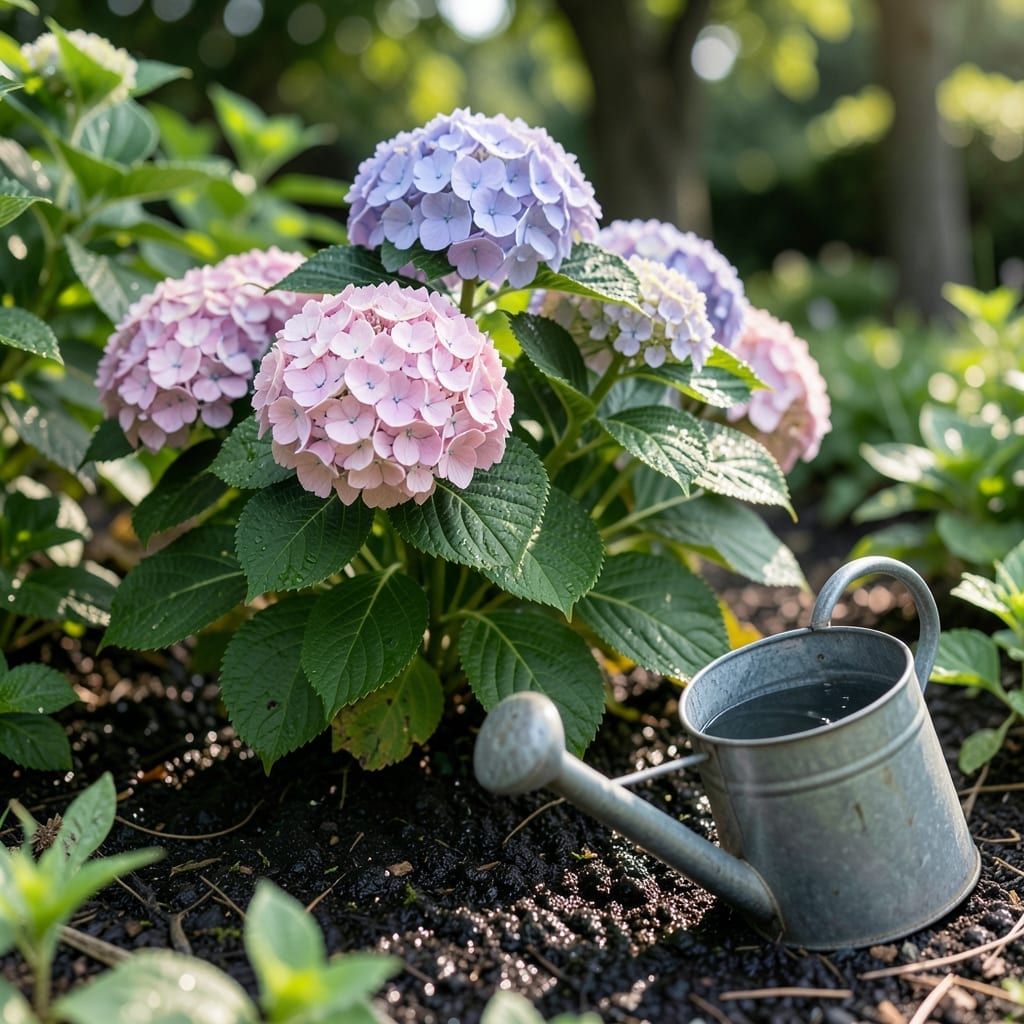
Hydrangeas are beloved for their lush blooms, but their watering needs often leave gardeners confused. Do these stunning 🌸 shrubs require constant hydration, or can they thrive with minimal care?
I’ve seen too many Hydrangea plants struggle because of misinformation about their water needs. The truth is, getting it right makes all the difference between wilted leaves and vibrant, healthy flowers.
Let me walk you through exactly what your Hydrangea needs to flourish, without the guesswork. You’ll discover the simple secrets to keeping them perfectly hydrated all season long.


I get asked about hydrangea water needs more than almost any other plant. The short answer is yes, they do need consistent moisture, but it’s not as simple as drowning them daily.
These beautiful shrubs thrive when their soil stays evenly damp, like a well-wrung sponge. Too dry, and you’ll see wilted leaves. Too wet, and you risk root rot.
| Requirement | Specification |
|---|---|
| Water Frequency | Weekly |
| Water Amount | Deep soak |
| Best Time | Morning |
| Soil Condition | Moist but well-drained |
| Seasonal Adjustment | 2x/week in summer |
The big maceo and oakleaf hydrangeas can handle slightly drier conditions once established. But bigleaf varieties are the divas of the group, demanding more frequent watering.
In my experience, newly planted hydrangeas need extra attention. I water them every 2-3 days for the first month, then taper off. This helps establish strong roots before summer heat hits.
Your soil type matters hugely. Sandy soil drains fast, so you’ll water more. Clay soil holds moisture, so go easier. I always add compost to improve water retention.
Climate plays a role too. In hot, dry areas, I water my hydrangeas twice weekly. In cooler, wetter climates, once a week often suffices. Watch your plants—they’ll tell you what they need.
Signs of underwatering include drooping leaves and dry leaf edges. Overwatering shows as yellowing leaves and mushy stems. I check soil moisture by sticking my finger 2 inches deep—if it’s dry, it’s time to water.
For container-grown hydrangeas, the rules change slightly. These dry out faster, so I check them every other day in summer. Always ensure your pots have drainage holes to prevent waterlogging.
Remember, morning watering is best. It gives plants time to absorb moisture before the heat of day and reduces fungal disease risks. I aim for before 10 AM for optimal results.
With the right approach, you’ll see vibrant blooms all season. It’s about consistency, not just quantity. Your hydrangeas will thank you with stunning flowers 🌸
I’ve found that hydrangea watering needs change dramatically with the seasons. In spring, as new growth appears, I start with weekly deep watering to support bud development.
By summer, when temperatures rise, I switch to watering twice a week. This is especially crucial during heat waves or dry spells. The key is maintaining consistent soil moisture.
As fall arrives, I gradually reduce watering to once a week. This helps prepare the plant for dormancy while still supporting late-season blooms. I always stop watering once the ground freezes.
During blooming periods, I pay extra attention. Hydrangeas need more water when producing flowers, so I might add an extra watering session each week. Just be sure to water at the base to keep blooms dry.
For container hydrangeas, seasonal adjustments are even more important. In summer, I often water every other day because pots dry out faster. In cooler months, I check soil moisture before watering to avoid overdoing it.
Remember that rainfall affects your schedule. If we’ve had a good rain, I skip my regular watering. I use a rain gauge to track how much water my garden has received.
With these seasonal adjustments, your hydrangeas will stay healthy and blooming throughout the growing season 🌸