
Beautiful Plants For Your Interior
Beautiful Plants For Your Interior
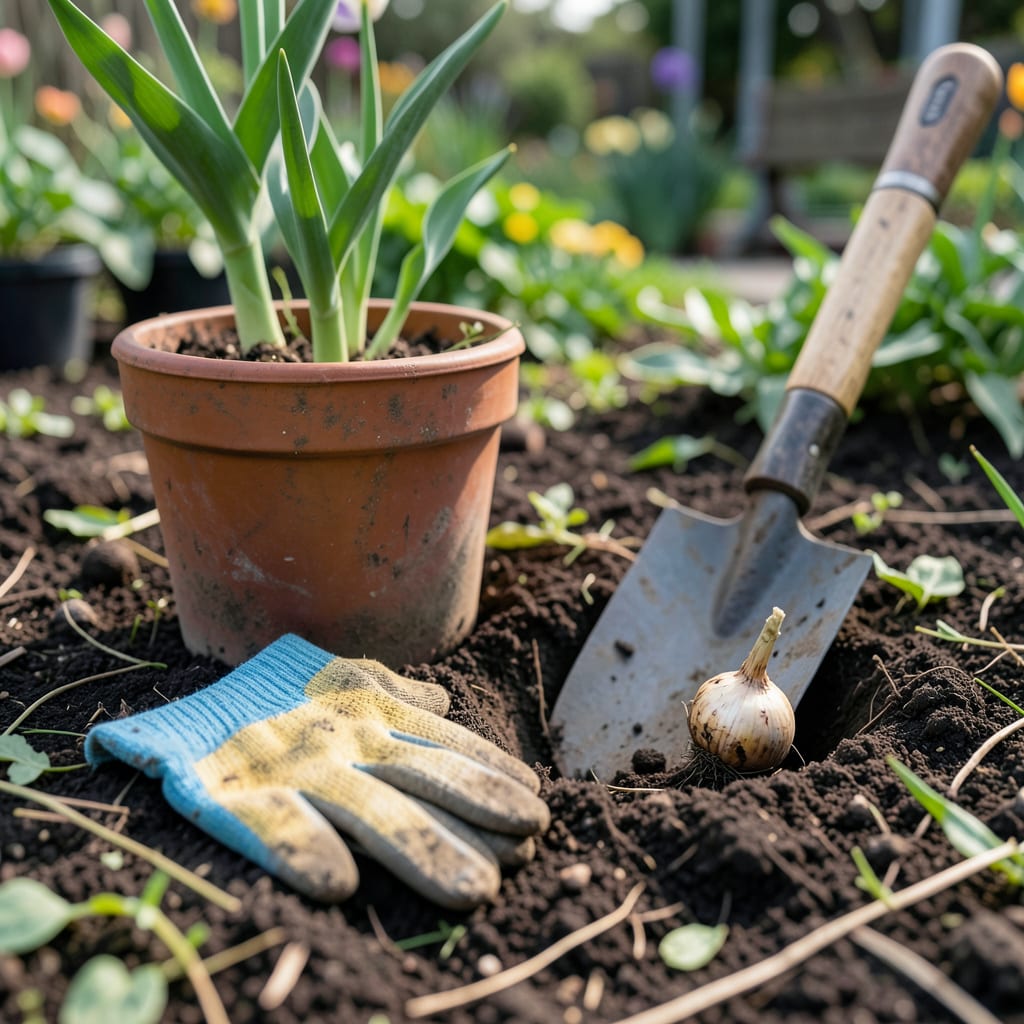
Planting Flower Bulbs 💐 in fall is crucial for a vibrant spring garden, but timing is everything. In USDA Zone 6, the ideal planting window is between September and November, about 6-8 weeks before the ground freezes.
Getting the timing right ensures your bulbs establish strong roots before winter, leading to healthy spring blooms. Let’s explore the best practices for planting Flower Bulbs in the fall to make your garden thrive.
Planting flower bulbs in the fall is a crucial step in ensuring a vibrant spring garden. The timing of this task varies depending on your climate and region. Generally, it’s recommended to plant bulbs 6-8 weeks before the ground freezes in your area. This allows the bulbs to establish a strong root system before winter sets in 🌿.
In USDA Zone 6, for example, the ideal planting window is between September and November. However, the exact timing can differ based on specific weather conditions and the type of bulbs you’re planting. Understanding your local climate and frost dates is key to successful bulb planting 🥶.
The soil temperature is another critical factor to consider when planting flower bulbs in the fall. Bulbs prefer cooler soil, typically around 60°F (15°C), which is ideal for root development. You can use a soil thermometer to check the temperature at a depth of 6-8 inches 🌡️.
In colder climates, it’s essential to plant bulbs early enough to allow for root establishment before the ground freezes. In warmer climates, planting can be done later in the fall, but still before the first frost ❄️.
Tulips and daffodils are popular choices for fall planting. They require a period of cold dormancy to bloom, making fall the perfect time to plant them 🌼.
For regions with mild winters, some bulbs like ranunculus and anemones can be planted in late fall or even early winter. Understanding the specific needs of the bulbs you’re planting is crucial for success 🌻.
By considering your climate zone and the specific needs of your flower bulbs, you can determine the best time to plant in the fall. This ensures a healthy and vibrant spring garden, filled with beautiful blooms 🌺.
To summarize, the key to successful fall bulb planting is understanding your local climate and frost dates, and planting at the right time. With a little planning and preparation, you can enjoy a stunning spring garden 🌼.
For more specific guidance on planting flower bulbs in your area, consult with local gardening experts or check online resources for regional planting schedules 📅.
By following these tips and considering your local climate, you can enjoy a beautiful and thriving spring garden 🌺.
Preparing and planting flower bulbs in the fall requires careful planning and attention to detail. To ensure a successful spring bloom, it’s essential to choose the right bulbs, prepare the soil properly, and plant them at the correct depth 🌼.
First, select high-quality bulbs that are firm and free of mold or soft spots. Look for bulbs that are specifically labeled as suitable for fall planting, such as tulips, daffodils, and hyacinths 🌺.
Loosen the soil to a depth of 8-10 inches and mix in compost or well-rotted manure to improve drainage and fertility 🌿.
Plant bulbs 2-3 times deeper than their height, with the pointed end facing upwards 🌻.
Water the bulbs well after planting and keep the soil consistently moist during the fall 💧.
By following these steps and providing your bulbs with the right conditions, you’ll be rewarded with a vibrant spring garden filled with beautiful blooms 🌼.
Proper spacing is also crucial when planting flower bulbs. Plant them 3-6 inches apart, depending on the variety, to allow for proper growth and air circulation 🌺.
After planting, consider applying a layer of mulch to retain moisture and suppress weeds. This will help ensure a healthy and thriving spring garden ❄️.
For more specific guidance on planting flower bulbs in your area, consult with local gardening experts or check online resources for regional planting schedules 📅.
By following these tips and taking the time to properly prepare and plant your flower bulbs, you’ll be enjoying a beautiful spring garden in no time 🌺.
To ensure a successful spring bloom from your fall-planted bulbs, proper care is essential. One of the most critical factors is mulching after planting. This helps retain moisture, suppress weeds, and regulate soil temperature 🌿.
Apply a 2-3 inch layer of organic mulch, such as wood chips or straw, to the soil surface. This will help protect the bulbs from extreme temperatures and prevent premature growth ❄️.
Water bulbs well after planting and keep the soil consistently moist during the fall. Avoid overwatering, which can lead to rot and poor growth 💧.
Watering is another crucial aspect of post-planting care. Bulbs need adequate moisture to establish a strong root system. Water them regularly during the fall, but avoid overwatering 🌻.
In the spring, as the bulbs begin to grow, you can fertilize them with a balanced fertilizer. This will provide essential nutrients for healthy growth and blooming 🌺.
By following these tips and providing your bulbs with the right conditions, you’ll be rewarded with a vibrant spring garden filled with beautiful blooms 🌼.
To summarize, the key to successful bloom from fall-planted bulbs is proper mulching, adequate watering, and fertilization in the spring. With a little planning and care, you can enjoy a stunning spring garden 🌺.
Bulbs prefer cooler soil, typically around 60°F (15°C), which is ideal for root development. You can use a soil thermometer to check the temperature at a depth of 6-8 inches.
Water bulbs well after planting and keep the soil consistently moist during the fall. Avoid overwatering, which can lead to rot and poor growth. Water them regularly during the fall.
Yes, you can plant different types of bulbs together, but
Do I need to fertilize flower bulbs after planting in fall? It’s not necessary to fertilize immediately after planting, but you can fertilize in the spring when the bulbs begin to grow. Use a balanced fertilizer to provide essential nutrients for healthy growth and blooming.
