
Beautiful Plants For Your Interior
Beautiful Plants For Your Interior
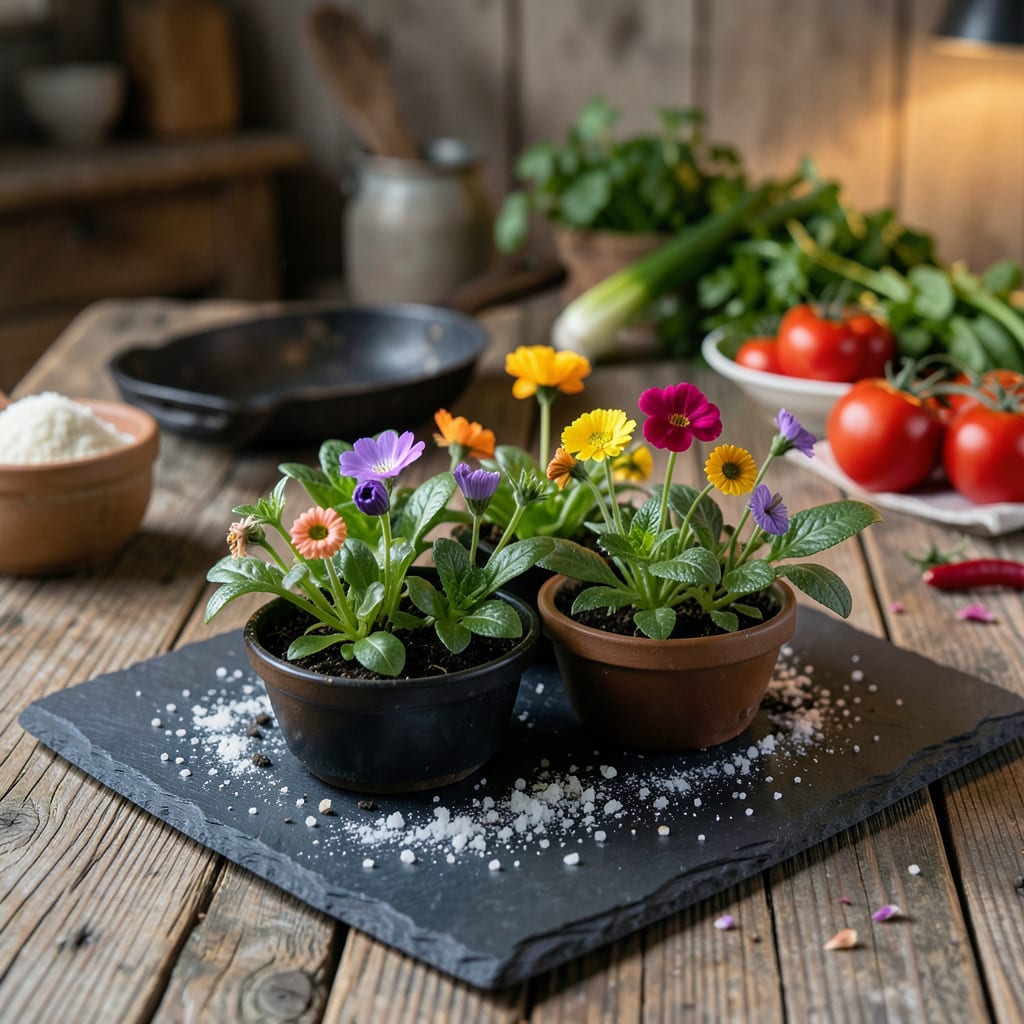
Fertilizing your Flower 💐 beds at the right time can make all the difference between lackluster blooms and a vibrant garden display in USDA Zone 6. The key is understanding when to provide that essential nutrient boost during the growing season.
In General, spring is a critical time for fertilization as Flower 💐 begins its active growth period. I’ll guide you through the best times to fertilize your flower beds throughout the year, ensuring you get the most out of your garden.

Fertilizing your flower beds at the right time is crucial for optimal bloom health. The key is understanding the seasonal fertilization needs of your plants. Different times of the year require different approaches to fertilization.
In USDA Zone 6, the growing season typically starts in spring and continues through summer. I’ll break down the best times to fertilize your flower beds during these seasons and beyond 🌼.
The spring fertilization is particularly important as it kickstarts the growing season. For most flowers, a balanced fertilizer (10-10-10 NPK) is ideal. This provides equal parts nitrogen, phosphorus, and potassium, supporting overall plant health 🌿.
For example, if you’re growing tulips or daffodils, they’ll benefit from this early spring feeding as they begin their growth cycle.
Summer fertilization focuses on maintaining the flowering cycle. A bloom booster fertilizer (higher in phosphorus) can encourage more prolific blooming throughout the season. This is particularly beneficial for continuous bloomers like roses or petunias 🌹.
It’s essential to note that over-fertilization can be harmful. Always check your soil condition before applying fertilizer. If your soil is already rich in nutrients, additional fertilization may not be necessary 🌿.
In the fall, it’s generally recommended to stop fertilizing flower beds. This allows the plants to harden off and prepare for the dormant winter season. Continuing to fertilize in fall can encourage new growth that may not have time to harden off before frost ❄️.
Winter is a time of dormancy for most flowers, and fertilization is not necessary. The cold weather and lack of active growth mean that plants are not using nutrients at the same rate as during the growing season.
By following this seasonal fertilization guide, you can ensure your flower beds receive the nutrients they need at the right times, promoting healthy growth and vibrant blooms throughout the year 🌻.
For more specific advice tailored to your particular flower varieties, consider consulting with a local gardening expert or checking the specific care instructions for your plants.
By understanding and implementing a seasonal fertilization schedule, you’ll be well on your way to creating a stunning and thriving flower garden that brings joy throughout the year 🌼.
Choosing the right fertilizer for your flower beds can be a bit overwhelming with so many options available. I’ll help you understand the different types of fertilizers and their benefits to make an informed decision 🌼.
The type of fertilizer you choose depends on the specific needs of your flowers and the condition of your soil. Let’s explore the different types of fertilizers and their characteristics.
For most flower beds, a balanced fertilizer (10-10-10 NPK) is a good starting point. This provides equal parts nitrogen, phosphorus, and potassium, supporting overall plant health 🌿.
If you’re looking to promote more blooms, consider using a bloom booster fertilizer. These are typically higher in phosphorus, which is essential for flower production 🌹.
Organic fertilizers are another excellent option, especially if you’re concerned about the environmental impact of synthetic fertilizers. They release nutrients slowly and improve soil structure over time 🌱.
When choosing a fertilizer, it’s also important to consider the specific needs of your flowers. Some plants may require more of certain nutrients than others. Always read the label and follow the instructions for application rates 📚.
By selecting the right fertilizer for your flower beds, you can ensure your plants receive the nutrients they need to thrive. This, combined with proper timing, will result in a vibrant and healthy garden display 🌼.
For more specific guidance on fertilizer selection, consult with a local gardening expert or check the specific care instructions for your plants.
When it comes to fertilizing flower beds, timing is crucial, but so is avoiding common mistakes that can harm your plants. I’ll share some key errors to watch out for to ensure your flowers thrive 🌼.
One of the most significant mistakes gardeners make is over-fertilization. Too much fertilizer can damage your plants, causing burned roots or excessive foliage growth at the expense of blooms 🔥.
Too much fertilizer can harm your plants. Always follow the recommended application rates to avoid damaging your flowers.
Another common mistake is under-fertilization. While too little fertilizer won’t harm your plants, it won’t provide the necessary nutrients for optimal growth and blooming either 🌱.
Ignoring soil conditions is another error to avoid. Before fertilizing, check your soil type and pH level. Some fertilizers work better in certain soil conditions, so it’s essential to choose the right type 📚.
Fertilizing at the wrong time can also be detrimental. As discussed earlier, fertilizing in the fall or winter when plants are dormant can be wasteful and potentially harmful ❄️.
To avoid these mistakes, always read the fertilizer label carefully, and consider getting a soil test to determine your soil’s nutrient needs 📊.
By being mindful of these common fertilization mistakes, you can ensure your flower beds receive the right nutrients at the right time, promoting healthy growth and vibrant blooms 🌻.
For more specific advice on fertilizing your particular flower varieties, consider consulting with a local gardening expert or checking the specific care instructions for your plants.
In USDA Zone 6, fertilize your flower beds in early spring after the last frost date, typically around April 15. Use a balanced fertilizer (10-10-10 NPK) to support overall plant health. This kickstarts the growing season and promotes healthy growth .
Fertilize your flower beds every 4-6 weeks during the growing season. For continuous bloomers like roses or petunias, use a bloom booster fertilizer (higher in phosphorus) to encourage more prolific blooming .
No, it’s generally recommended to stop fertilizing flower beds in the fall and winter. This allows plants to harden off and prepare for dormancy. Fertilizing during these seasons can encourage new growth that may not have time to harden off before frost .
A balanced fertilizer (10-10-10 NPK) is ideal for most flower beds. For plants that require more nutrients for blooming, consider using a bloom booster fertilizer. Organic fertilizers are also a good option as they release nutrients slowly and improve soil structure .
