
Beautiful Plants For Your Interior
Beautiful Plants For Your Interior
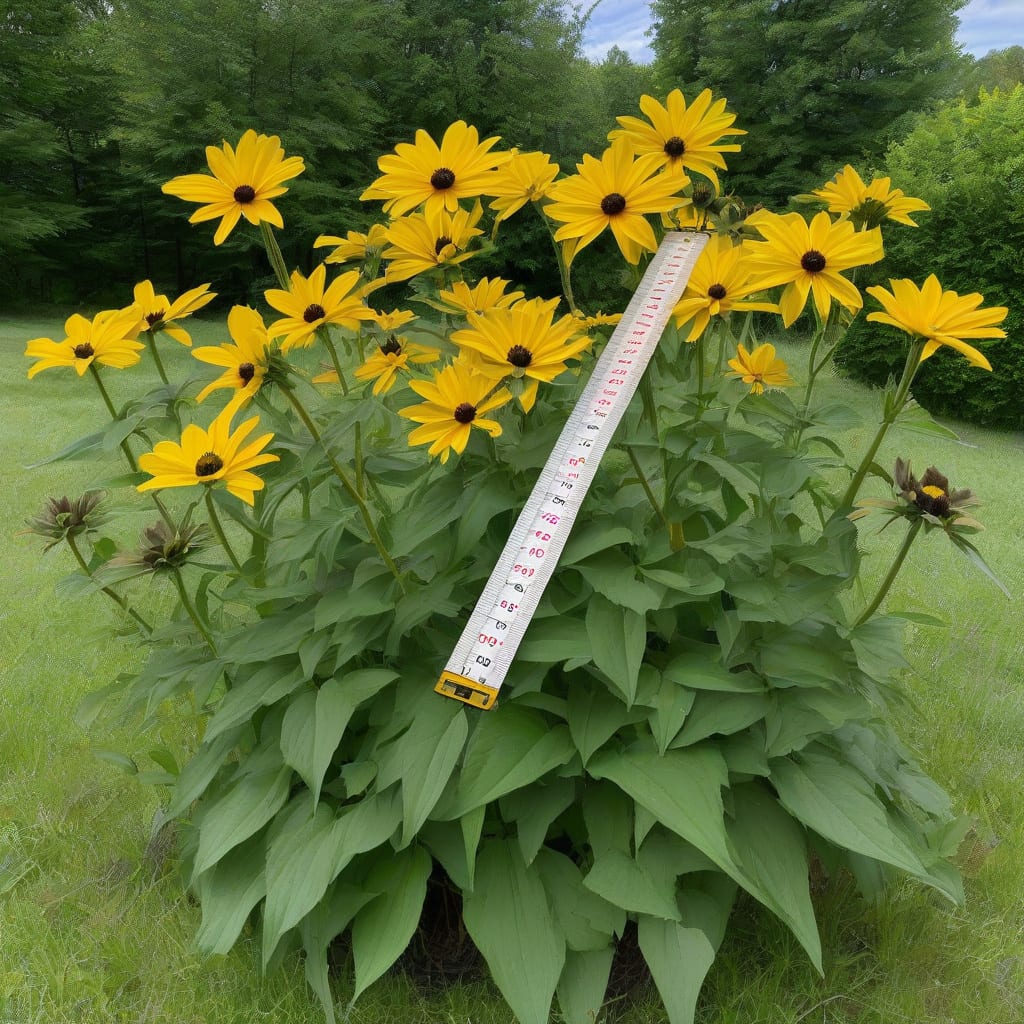
When I think about adding vibrant color and height to my garden, Rudbeckia 💐 immediately comes to mind. These beautiful flowers, also known as Black-eyed Susans, can grow quite tall, but how tall exactly?
The height of Rudbeckia plants can vary significantly based on factors like variety and growing conditions in USDA Zone 6. Let’s explore what you can expect and how to care for these stunning flowers.


When growing Rudbeckia, several factors can influence their ultimate height. The variety of Rudbeckia is a primary factor, as different cultivars have been bred for various growth habits. Some compact varieties remain relatively short, while others can grow quite tall 🌼.
Growing conditions also play a crucial role. Rudbeckia generally thrive in full sun and well-drained soil. The amount of sunlight and soil quality can significantly impact their growth. For instance, Rudbeckia receiving adequate sunlight tend to grow taller and stronger 🔥.
The care practices you implement can also affect Rudbeckia height. Regular watering and fertilization can promote healthy growth. However, over-fertilization can lead to excessive foliage at the expense of flowers 💡.
Understanding these factors is key to managing Rudbeckia height effectively in your garden. By considering the variety, growing conditions, and care practices, you can optimize the height and overall health of your Rudbeckia plants 🌿.
Soil preparation is another critical aspect. Rudbeckia prefer well-drained soil with a neutral to slightly acidic pH. Amending the soil with organic matter can improve its structure and fertility, supporting robust growth 🌱.
Climate conditions also influence Rudbeckia height. These plants are generally drought-tolerant once established but perform best with consistent moisture. Extreme weather conditions, such as prolonged drought or excessive rainfall, can impact their growth ☁️.
In summary, the height of Rudbeckia is influenced by a combination of factors including variety, growing conditions, and care practices. By understanding and managing these factors, you can achieve the desired height and enjoy the beautiful blooms of these plants 🌼.
For more specific guidance on growing Rudbeckia, consider consulting local gardening resources or experts who can provide advice tailored to your region and climate 📚.
By paying attention to these details, you can create an optimal environment for your Rudbeckia to thrive and reach their full height potential 🌻.
Overall, growing Rudbeckia can be a rewarding experience, providing vibrant color and height to your garden. With the right conditions and care, these plants can become a stunning focal point in your landscape 🌟.
When growing Rudbeckia, understanding the average height range for different varieties is crucial for garden planning. Rudbeckia plants can vary significantly in height, ranging from compact varieties to taller cultivars. Let’s explore the typical height ranges for some popular Rudbeckia species and cultivars 🌼.
The height range of Rudbeckia varieties can help you decide which cultivar is best for your garden. For instance, compact varieties like Rudbeckia hirta are perfect for borders or containers, while taller varieties like Rudbeckia fulva can serve as a dramatic backdrop for other plants 🌻.
When selecting a Rudbeckia variety, consider the overall design of your garden. Taller varieties can add vertical interest, while shorter varieties can provide a beautiful border. Understanding these height ranges allows you to plan your garden layout more effectively 📚.
It’s also important to note that while variety plays a significant role in determining height, growing conditions and care practices can also influence the final height of your Rudbeckia plants. Ensuring they receive adequate sunlight and proper watering can help them reach their full height potential 🌞.
By choosing the right Rudbeckia variety for your garden and providing the appropriate care, you can enjoy these beautiful flowers at their optimal height. Whether you’re looking for a compact border or a tall backdrop, there’s a Rudbeckia variety to suit your needs 🌼.
In summary, understanding the average height range for different Rudbeckia varieties is essential for effective garden planning. By considering the height potential of various cultivars, you can create a balanced and visually appealing garden 🌻.
Key takeaways include recognizing that Rudbeckia height can vary by variety, and that proper care can help achieve optimal height. With this knowledge, you can make informed decisions when selecting and caring for your Rudbeckia plants 🌱.
Overall, Rudbeckia plants are a versatile and beautiful addition to any garden, offering a range of heights to suit different garden designs. By understanding their growth potential, you can maximize their impact in your landscape 🌟.
Managing the height of Rudbeckia plants is crucial for maintaining a balanced and visually appealing garden. By understanding how to optimize their growth, you can ensure they reach their full potential without becoming too leggy or toppling over 🌼.
To keep Rudbeckia plants bushy and prevent them from becoming too tall, consider pinching back the tips of the stems in early summer. This encourages branching and results in a more compact, floriferous plant 🌿.
Pruning is another effective technique for managing Rudbeckia height. Regularly removing spent flowers, also known as deadheading, not only promotes continuous blooming but also helps control the plant’s height by preventing seed production 🌺.
Staking may be necessary for taller Rudbeckia varieties to prevent them from toppling over in the wind. Using sturdy stakes or plant supports can help keep the plants upright and maintain their visual appeal 💪.
Spacing is also critical when planting Rudbeckia. Ensuring adequate space between plants allows for proper air circulation and reduces the risk of disease, which can impact height and overall health 🌳.
By implementing these tips, you can effectively manage the height of your Rudbeckia plants and enjoy a vibrant, well-balanced garden throughout the growing season 🌻.
