
Beautiful Plants For Your Interior
Beautiful Plants For Your Interior
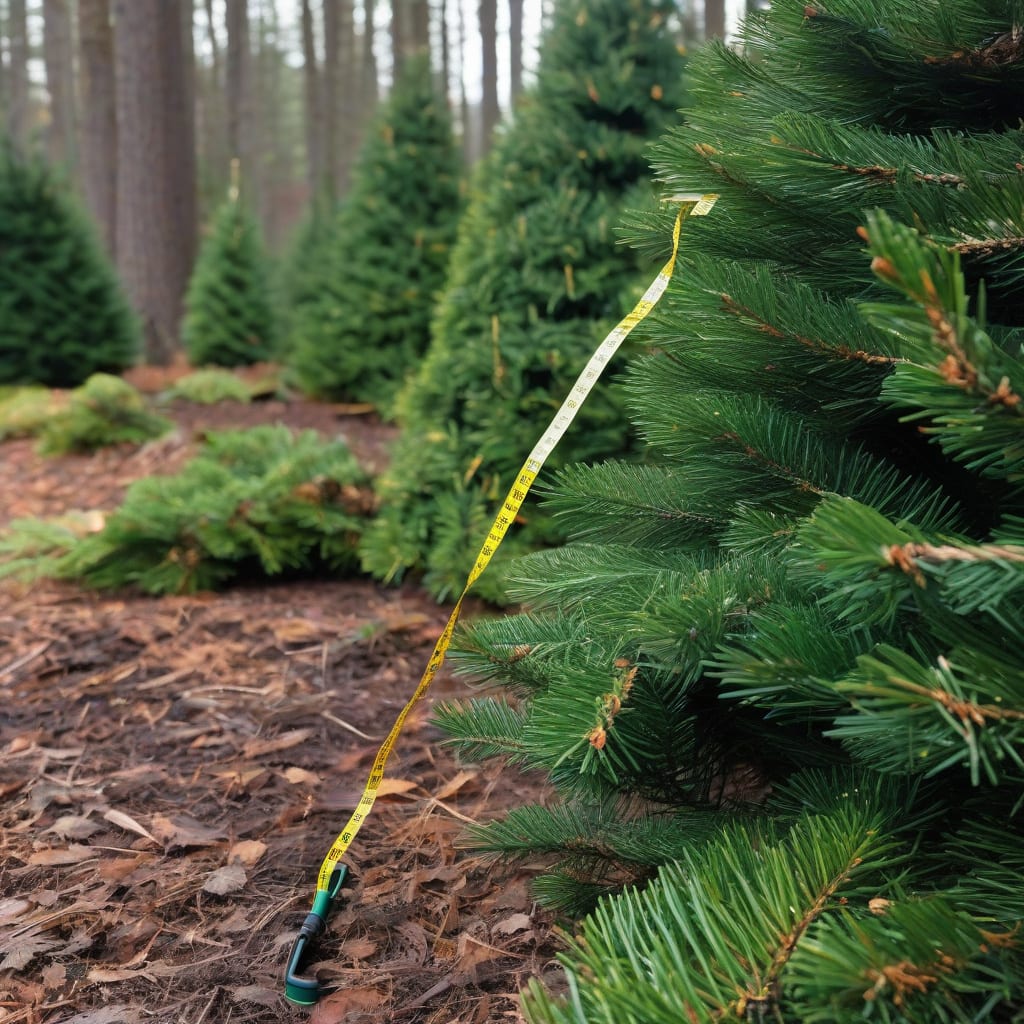
When it comes to Christmas trees 🎄, their height can vary greatly depending on the species and growing conditions. Some trees can grow to be 80 feet tall, while others remain compact at around 20 feet.
Understanding how tall Christmas trees can grow is crucial for gardeners and landscapers in USDA Zone 6. By knowing the average height and growth rate, you can make informed decisions about planting and care. Let’s explore the factors that influence their growth.


Christmas tree growth patterns are influenced by various factors, including species selection, soil quality, climate conditions, and maintenance practices. Understanding these factors is crucial for promoting healthy growth and maximizing tree height 🎄.
The height of Christmas trees can vary significantly depending on the species. Some trees, like the Fraser Fir, can grow up to 80 feet tall, while others, like the Dwarf Alberta Spruce, remain compact at around 6-12 feet. Soil quality also plays a critical role, as Christmas trees prefer well-draining soil with adequate moisture 🌿.
Understanding these growth patterns helps gardeners and landscapers make informed decisions about Christmas tree cultivation. By considering factors like species selection and soil quality, you can optimize growth conditions for your Christmas trees 🌲.
Different Christmas tree species have unique growth characteristics. For example, Fraser Firs are known for their slow growth rate but can reach impressive heights when given proper care. In contrast, Nordmann Firs grow more quickly and maintain a dense, conical shape 🌟.
The climate conditions in your area also significantly impact Christmas tree growth. Trees grown in cooler climates with adequate moisture tend to grow more slowly but develop denser foliage. In warmer climates, trees may grow more quickly but require more frequent watering to prevent stress 🌡️.
Maintenance practices are equally important for promoting healthy growth. Regular pruning helps maintain the tree’s shape and encourages denser foliage. Fertilization provides essential nutrients that support growth, while pest management protects trees from damage caused by insects and diseases 🌱.
By combining the right species selection with optimal growing conditions and proper maintenance practices, you can cultivate healthy, vibrant Christmas trees that reach their full potential height. Whether you’re growing trees for harvest or maintaining them as part of your landscape, understanding these growth patterns is key to success 🎯.
To grow tall Christmas trees, you need to focus on proper cultivation techniques, including pruning strategies and environmental factors that promote healthy vertical growth. By understanding these elements, you can maximize the height potential of your trees 🌳.
The height of Christmas trees is influenced by various factors, including soil quality, climate conditions, and maintenance practices. Ensuring your trees receive adequate nutrients and water is crucial for their growth 🌱.
Select Christmas tree species known for their tall growth, such as Fraser Fir or Douglas Fir. These species can grow up to 80 feet tall under optimal conditions 🌲.
Ensure the soil is well-draining and rich in organic matter. This promotes healthy root development, which is essential for tall tree growth 🌿.
Pruning helps maintain the tree’s shape and encourages upward growth. Remove lower branches to direct the tree’s energy towards vertical growth ✂️.
By implementing these strategies, you can significantly enhance the height of your Christmas trees. Remember, the key to growing tall trees lies in consistent care and attention to detail 🎄.
In addition to these tips, it’s essential to monitor your trees regularly for signs of stress or disease. Early detection allows you to take corrective action, ensuring your trees remain healthy and continue to grow tall 🌟.
Growing tall Christmas trees requires patience and dedication, but the results are rewarding. With the right techniques and care, you can enjoy majestic trees that become the centerpiece of your holiday celebrations 🎅.
For more information on Christmas tree care and cultivation, consider consulting with local gardening experts or visiting resources from reputable horticultural societies. They can provide valuable insights and tips tailored to your specific climate and region 🌎.
When it comes to Christmas trees, different species offer varying heights and growth characteristics. Understanding these differences helps you choose the right tree for your needs 🎄.
Some popular Christmas tree varieties include Fraser Fir, Douglas Fir, and Blue Spruce. Each of these species has its unique growth patterns and mature heights 🌲.
By understanding the typical heights and growth rates of different Christmas tree varieties, you can make informed decisions about which trees to plant and how to care for them 🌟.
Each variety has its unique characteristics, and choosing the right one depends on your specific needs and preferences. Whether you’re looking for a tall tree or a more compact one, there’s a Christmas tree variety that suits your requirements 🎁.
The Fraser Fir is known for its dark green needles and strong branches, making it a popular choice for Christmas trees. It can grow up to 80 feet tall under optimal conditions 🌲.
The Douglas Fir is another popular variety, recognized for its full, dense branches and sweet fragrance. It can also reach heights of up to 80 feet, making it a great choice for those looking for a taller tree 🌳.
For more compact options, consider the Blue Spruce, which typically grows between 30-60 feet tall. Its stiff branches and sharp needles make it a unique addition to any holiday decor ❄️.
