
Beautiful Plants For Your Interior
Beautiful Plants For Your Interior
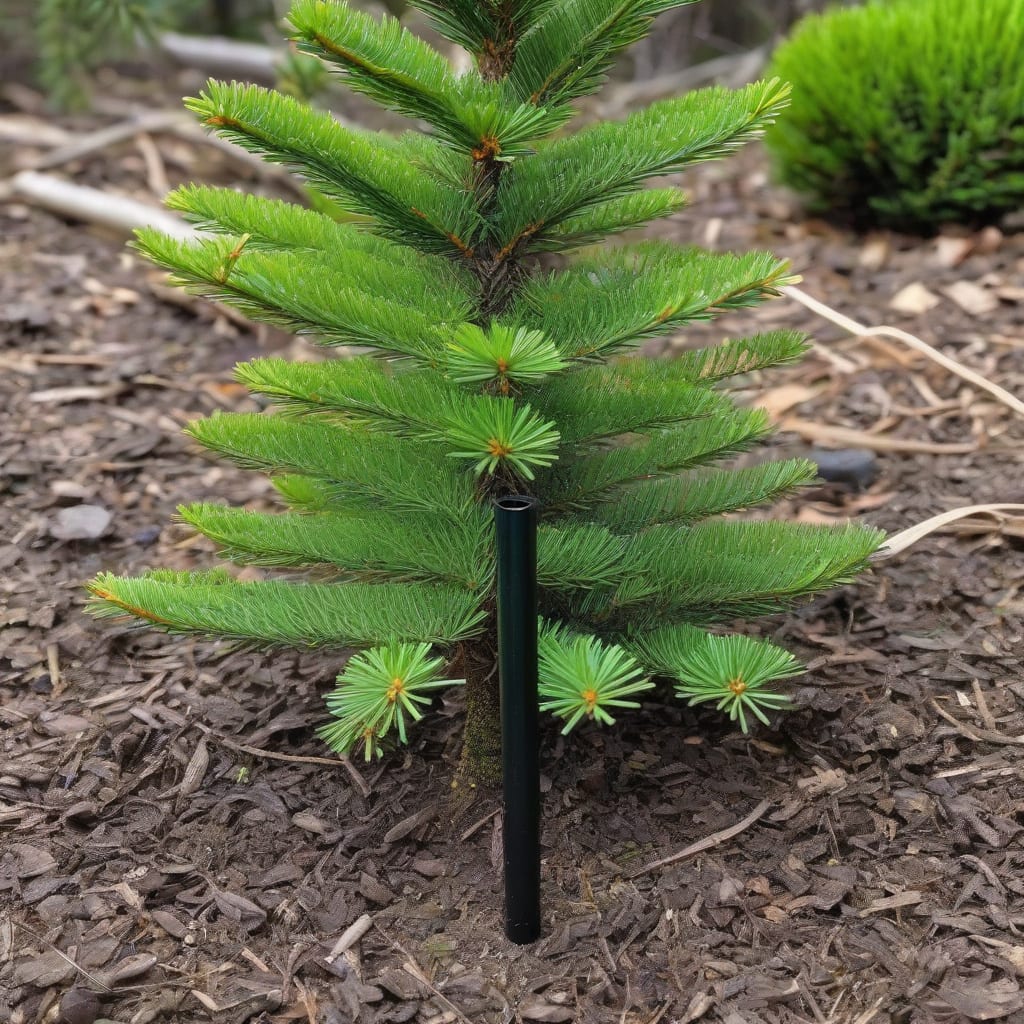
When planning your garden, understanding the growth patterns of your chosen plants is crucial. The Dwarf Alberta Spruce 🌲 is a popular compact evergreen, but how tall can you expect it to grow? Its mature height typically ranges from 6 to 10 feet.
Factors such as growing conditions and maintenance practices can influence its ultimate height. I’ll guide you through what affects its growth and how to maintain its optimal size. Let’s explore the details to help you make informed decisions for your garden.


The Dwarf Alberta Spruce is a compact evergreen tree known for its slow growth rate and dense conical shape. It typically grows between 2-4 inches per year, making it an ideal choice for gardeners seeking a low-maintenance landscape feature 🌲.
Understanding its growth characteristics is essential for proper garden planning. I’ll cover the key aspects of its mature size and growth patterns to help you make informed decisions.
The Dwarf Alberta Spruce’s slow growth rate means it maintains its shape and size for many years without needing frequent pruning. This characteristic makes it particularly appealing for formal gardens or landscapes where a consistent appearance is desired.
When planning your garden, consider the tree’s mature height and spacing requirements to ensure it has enough room to grow without becoming too dense or overshadowing other plants.
The tree’s growth pattern is influenced by factors such as soil quality, sunlight exposure, and watering practices. Proper care can help maintain its health and optimal growth rate.
One of the key benefits of the Dwarf Alberta Spruce is its compact size, which makes it suitable for small gardens or container planting. Its evergreen foliage provides year-round interest and structure to the landscape.
In addition to its aesthetic appeal, the tree’s slow growth means it requires less frequent maintenance compared to faster-growing species. This can be particularly advantageous for gardeners looking to minimize their upkeep efforts.
To maximize the tree’s growth potential, ensure it is planted in well-draining soil and receives adequate sunlight. Regular watering and appropriate fertilization can also support healthy development.
By understanding the growth characteristics of the Dwarf Alberta Spruce, you can better plan your garden and enjoy the benefits of this versatile and attractive evergreen tree 🌿.
Regular monitoring of the tree’s health and growth will help you make any necessary adjustments to its care routine, ensuring it continues to thrive in your garden.
With proper care and planning, the Dwarf Alberta Spruce can be a beautiful and enduring addition to your landscape, providing structure and interest throughout the year.
The height of Dwarf Alberta Spruce is influenced by several key factors that gardeners should consider when planning their landscape. Understanding these elements helps in creating optimal growing conditions for the tree 🌲.
I’ll explore the main factors that affect the ultimate height of Dwarf Alberta Spruce, providing you with practical insights to manage its growth effectively.
The height of Dwarf Alberta Spruce is primarily influenced by growing conditions, maintenance practices, and environmental factors. Proper care and optimal conditions can help maintain its health and desired height.
Growing conditions play a crucial role in determining the height of Dwarf Alberta Spruce. Factors such as soil quality, sunlight exposure, and watering practices significantly impact its growth. Ensuring the tree is planted in well-draining soil and receives adequate sunlight is essential for healthy development.
Maintenance practices, including pruning and fertilization, also affect the tree’s height. Regular pruning helps maintain the desired shape and size, while appropriate fertilization supports healthy growth. I’ll discuss pruning techniques in more detail later.
Environmental factors such as climate and soil pH can also influence the growth of Dwarf Alberta Spruce. Understanding these factors helps gardeners make informed decisions about planting and care.
The tree’s growth rate can be affected by its USDA hardiness zone, which for Dwarf Alberta Spruce is typically zones 4-6. Being aware of your local climate zone helps in predicting and managing the tree’s growth.
To maximize the tree’s growth potential, it’s essential to provide optimal growing conditions and follow appropriate maintenance practices. This includes regular monitoring of the tree’s health and making necessary adjustments to its care routine.
By understanding and managing the factors that affect the height of Dwarf Alberta Spruce, gardeners can ensure their trees remain healthy and achieve their desired size 🌿.
Proper planning and care enable gardeners to enjoy the benefits of this versatile and attractive evergreen tree, enhancing their landscape for years to come.
Pruning is an essential maintenance practice for managing the height and shape of Dwarf Alberta Spruce. Regular pruning helps maintain its dense conical shape and prevents it from becoming too large for its designated space 🌲.
I’ll provide practical tips on pruning techniques to help you maintain the desired height and shape of your Dwarf Alberta Spruce.
Prune your Dwarf Alberta Spruce in early spring before new growth begins. This timing helps minimize stress on the tree and promotes healthy regrowth.
Use sharp, clean pruning shears to make precise cuts. Remove any dead or damaged branches to maintain the tree’s health and appearance.
When pruning, focus on maintaining the tree’s natural conical shape. Avoid cutting too much from the top, as this can disrupt the tree’s appearance and growth pattern.
Regular pruning not only helps control the height of Dwarf Alberta Spruce but also encourages dense foliage and a healthier tree 🌿.
By following these pruning tips, you can effectively manage the height and shape of your Dwarf Alberta Spruce, ensuring it remains a beautiful and integral part of your garden landscape.
Proper pruning practices contribute to the overall health and aesthetic appeal of the tree, making it a valuable addition to any garden.
With consistent care and attention, your Dwarf Alberta Spruce will continue to thrive and provide year-round interest in your garden.
