
Beautiful Plants For Your Interior
Beautiful Plants For Your Interior
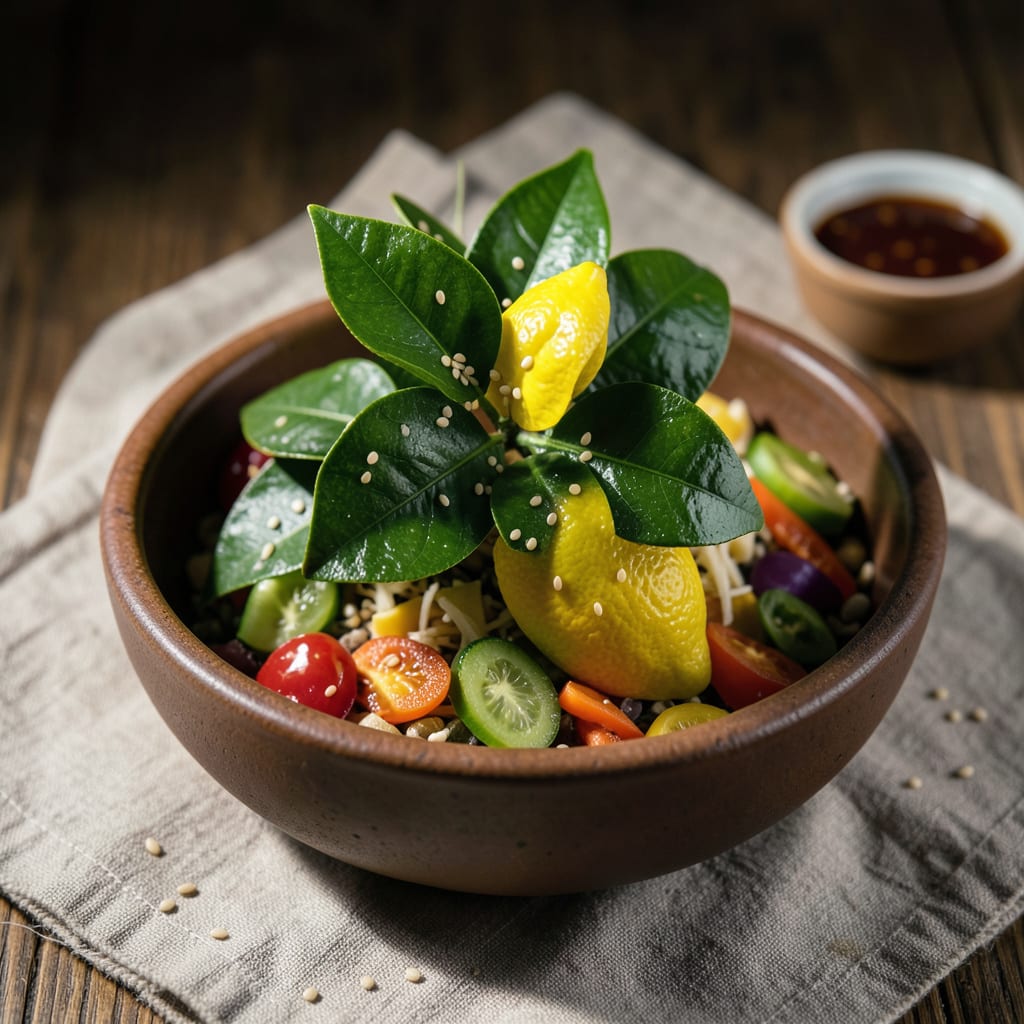
Growing citrus trees 🍊 in California can be a rewarding experience, but it requires careful timing when it comes to fertilization. The state’s mild climate allows for year-round growth, but your Citrus Tree still needs nutrients at the right times to thrive.
In California’s USDA Zone 10, the fertilization schedule is crucial for maintaining tree health and maximizing yield. Let’s explore the best times to fertilize your citrus trees and keep them producing delicious fruit throughout the year.

Understanding when to fertilize your citrus trees in California is crucial for their health and productivity. The state’s mild climate allows for year-round growth, but your trees still need nutrients at the right times to thrive. Fertilizing at the correct times ensures that your trees receive the necessary nutrients to support their growth and fruit production 🌴.
California’s USDA Zone 10 has a unique climate that affects the fertilization needs of citrus trees. The ideal fertilization schedule is closely tied to the tree’s growth cycle and the region’s seasonal patterns. Let’s explore the best times to fertilize your citrus trees in California 📅.
The fertilization frequency for citrus trees in California is typically every 6-8 weeks during the growing season. The recommended NPK ratio is 10-10-10 or 12-6-6, using a balanced, slow-release fertilizer. For young trees (less than 2 years old), reduce the amount by half 🌟.
It’s essential to consider the specific needs of your citrus tree variety and adjust the fertilization schedule accordingly. Factors such as soil type, tree age, and local climate conditions can impact the fertilization needs of your trees 🌿.
Soil conditions play a critical role in citrus tree fertilization. California’s diverse soil types, from sandy loams to clay loams, require different fertilization approaches. Regular soil testing can help determine the nutrient levels and pH, allowing for more targeted fertilization 🌱.
When applying fertilizer, it’s crucial to follow the recommended application rates to avoid over-fertilization, which can harm the tree and the environment. A general rule of thumb is to use 1-2 cups of fertilizer per application, depending on the tree’s size and age 📏.
The best time to fertilize is early morning, after watering the tree. This allows the fertilizer to be absorbed throughout the day, reducing the risk of burning the roots 🔥.
By following this fertilization schedule and considering the specific needs of your citrus trees, you can promote healthy growth and maximize fruit production in California’s climate 🌼.
For more detailed information on citrus tree care and fertilization, consult with local nurseries or University of California Cooperative Extension offices for region-specific advice 📚.
Monitoring your trees’ response to fertilization and adjusting your schedule as needed will help ensure their continued health and productivity 📈.
When it comes to fertilizing citrus trees in California, different varieties have unique needs. Understanding these differences is crucial for maximizing yield and maintaining tree health 🍊.
California’s diverse citrus varieties, from navel oranges to lemons and grapefruits, require tailored fertilization approaches. Let’s explore the specific fertilization timing for various citrus types 📅.
The fertilization schedule for citrus trees in California varies by variety, but generally follows the guidelines outlined above. It’s essential to monitor your trees’ response to fertilization and adjust your schedule as needed 📈.
Navel oranges and lemons tend to require more frequent fertilization due to their continuous fruiting nature. In contrast, grapefruits may need less frequent fertilization, but benefit from a balanced NPK ratio 🌟.
When fertilizing different citrus varieties, it’s crucial to consider factors such as soil type, tree age, and local climate conditions. These factors can impact the fertilization needs of your trees and affect their overall health 🌿.
By understanding the unique needs of your citrus tree variety and following a tailored fertilization schedule, you can promote healthy growth and maximize fruit production in California’s climate 🌼.
For more detailed information on citrus tree care and fertilization, consult with local nurseries or University of California Cooperative Extension offices for region-specific advice 📚.
When fertilizing citrus trees in California, it’s essential to consider factors beyond just timing. The state’s diverse soil types and climate conditions require a nuanced approach to fertilization 🌿.
First, soil testing is crucial to determine the nutrient levels and pH. This information allows for more targeted fertilization, ensuring your trees receive the necessary nutrients without over-fertilizing 📊.
Use a balanced, slow-release fertilizer with an NPK ratio of 10-10-10 or 12-6-6. For young trees, reduce the amount by half to avoid burning the roots 🔥.
The type of fertilizer used is also critical. A balanced fertilizer provides the necessary nutrients for healthy growth and fruit production. Consider using a fertilizer specifically formulated for citrus trees, as it will contain the necessary micronutrients 🌟.
Application best practices are equally important. Fertilizer should be applied evenly around the tree’s drip line, avoiding the trunk area. Water thoroughly after application to help the fertilizer dissolve and reach the roots 💧.
Monitoring your trees’ response to fertilization and adjusting your schedule as needed will help ensure their continued health and productivity 📈.
For more detailed information on citrus tree care and fertilization, consult with local nurseries or University of California Cooperative Extension offices for region-specific advice 📚.
By following these additional tips and considering the unique needs of your citrus trees, you can promote healthy growth and maximize fruit production in California’s climate 🌼.
Fertilize your citrus trees every 6-8 weeks during the growing season, which typically runs from February to September in California. The exact frequency may vary depending on the tree’s age and variety .
Use a balanced, slow-release fertilizer with an NPK ratio of 10-10-10 or 12-6-6. For young trees (less than 2 years old), reduce the amount by half to avoid burning the roots .
No, it’s recommended to skip fertilizing during the winter months (December to January) when citrus trees are dormant. This allows the trees to conserve energy and nutrients .
Watch for signs of over-fertilization, such as yellowing leaves or burned roots. If you notice these symptoms, reduce the frequency or amount of fertilizer applied. Monitor your trees’ response and adjust your fertilization schedule accordingly .
