
Beautiful Plants For Your Interior
Beautiful Plants For Your Interior
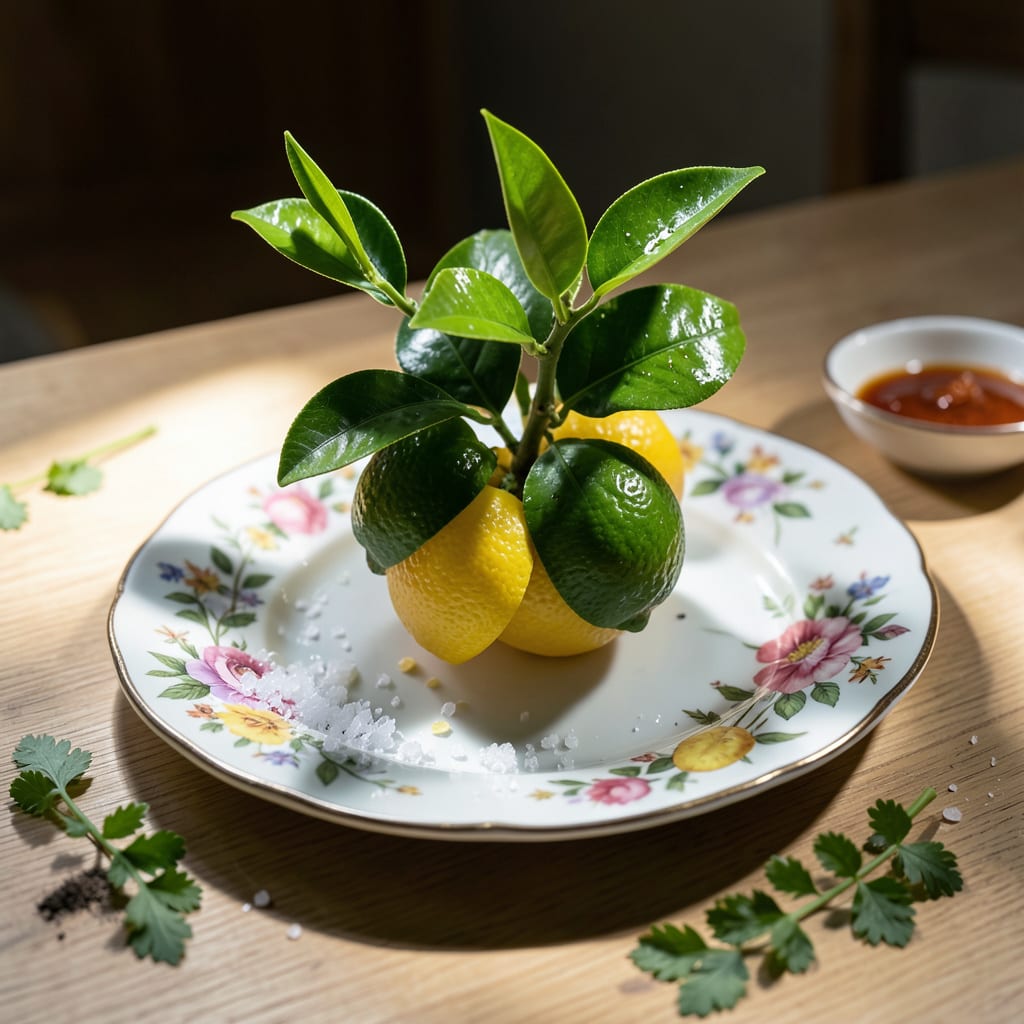
Fertilizing your 🍊 Citrus Tree at the right time is crucial for its health and fruit production. In USDA Zone 6, timing is everything to ensure a bountiful harvest.
I recommend fertilizing during the growing seasons – spring and fall. This helps maintain optimal nutrient levels for your tree’s growth and fruiting. Let’s explore the best practices for fertilizing your Citrus Tree.

Fertilizing citrus trees at the right time is crucial for their health and fruit production. In USDA Zone 6, the best times to fertilize are during the growing seasons – spring and fall. This helps maintain optimal nutrient levels for your tree’s growth and fruiting 🌟.
I recommend a balanced fertilizer with an NPK ratio of 10-10-10. The frequency of fertilization depends on the tree’s age and soil conditions. Let’s explore the best practices for fertilizing your citrus trees throughout the year 🌿.
The fertilizer frequency for citrus trees is typically every 6-8 weeks during the growing season. The amount of fertilizer to apply depends on the tree’s age and size. For young trees, start with 1 cup per 10 sqft and adjust as needed 🌿.
Soil conditions also play a crucial role in fertilization. Citrus trees prefer well-draining soil with a slightly acidic pH. Testing your soil can help determine its nutrient content and pH level, allowing you to adjust your fertilization schedule accordingly 🌱.
It’s essential to monitor your tree’s response to fertilization. Look for signs of nutrient deficiency or excess, such as yellowing leaves or burned tips. Adjust your fertilization schedule based on your tree’s needs to ensure optimal health and fruit production 📝.
Climate considerations are also vital when fertilizing citrus trees. In areas with mild winters, you may need to adjust your fertilization schedule to accommodate the tree’s continued growth. In contrast, trees in cooler climates may require less frequent fertilization during the winter months ❄️.
I recommend keeping a fertilization log to track your applications and your tree’s response. This will help you refine your fertilization schedule over time and ensure your citrus trees receive the nutrients they need to thrive 📅.
By following these guidelines and adjusting for your specific climate and soil conditions, you can create an effective fertilization schedule for your citrus trees.
Regular soil testing can provide valuable insights into your soil’s nutrient content and help you make informed decisions about your fertilization schedule. Consider testing your soil annually to ensure it remains balanced and fertile 🌟.
In conclusion, fertilizing your citrus trees at the right time is crucial for their health and productivity. By following a seasonal fertilization schedule and considering factors like soil type and climate, you can ensure your trees receive the nutrients they need to thrive 🌿.
When fertilizing your citrus trees, several factors come into play to ensure you’re providing the best care. Soil type is crucial as citrus trees prefer well-draining soil with a slightly acidic pH. Testing your soil can help determine its nutrient content and pH level, allowing you to adjust your fertilization schedule accordingly 🌱.
Tree age is another important consideration. Young trees require more frequent fertilization than mature trees. For young trees, start with 1 cup of fertilizer per 10 sqft and adjust as needed 🌿.
Citrus trees have different nutrient requirements at various stages of their growth. Understanding these needs can help you tailor your fertilization strategy for optimal results 📝.
Climate considerations also play a significant role in fertilization. In areas with mild winters, you may need to adjust your fertilization schedule to accommodate the tree’s continued growth. In contrast, trees in cooler climates may require less frequent fertilization during the winter months ❄️.
I recommend keeping a fertilization log to track your applications and your tree’s response. This will help you refine your fertilization schedule over time and ensure your citrus trees receive the nutrients they need to thrive 📅.
Monitoring your tree’s response to fertilization is essential. Look for signs of nutrient deficiency or excess, such as yellowing leaves or burned tips. Adjust your fertilization schedule based on your tree’s needs to ensure optimal health and fruit production 🔍.
By considering these factors and adjusting your fertilization strategy accordingly, you can provide your citrus trees with the best possible care. Remember, regular soil testing can provide valuable insights into your soil’s nutrient content and help you make informed decisions about your fertilization schedule 🌟.
In conclusion, fertilizing your citrus trees requires careful consideration of several factors. By understanding your tree’s needs and adjusting your fertilization schedule accordingly, you can promote healthy growth and fruit production 🌿.
Fertilizing citrus trees requires careful consideration to avoid common mistakes that can harm your trees. One of the most significant errors is over-fertilization, which can cause damage to the tree’s roots and leaves 🌿.
I recommend being cautious when applying fertilizer, as citrus trees are sensitive to excessive nutrients. Under-fertilization is also a common mistake, which can lead to nutrient deficiencies and poor fruit production 📝.
Avoid over-fertilizing your citrus trees, as this can cause more harm than good. Always follow the recommended application rates and adjust according to your tree’s response ⚠️.
Soil testing is crucial before fertilizing to determine the soil’s nutrient content and pH level. This helps you adjust your fertilization schedule accordingly and avoid common mistakes 🌱.
Timing is everything when it comes to fertilizing citrus trees. Avoid fertilizing during the winter months when the tree is dormant, as this can cause unnecessary stress to the tree ❄️.
I recommend keeping a fertilization log to track your applications and your tree’s response. This will help you refine your fertilization schedule over time and ensure your citrus trees receive the nutrients they need to thrive 📅.
By being aware of these common mistakes and taking steps to avoid them, you can provide your citrus trees with the best possible care and promote healthy growth and fruit production 🌟.
Fertilize your citrus trees every 6-8 weeks during the growing season, which typically includes spring and fall. This frequency helps maintain optimal nutrient levels for healthy growth and fruit production.
A balanced fertilizer with an NPK ratio of 10-10-10 is recommended for citrus trees. This type of fertilizer provides equal amounts of nitrogen, phosphorus, and potassium, promoting overall tree health and fruit production.
No, it’s best to stop fertilizing your citrus trees during the winter months when they’re dormant. Fertilizing during this time can cause unnecessary stress to the tree. Instead, resume fertilization in early spring when new growth begins.
Monitor your tree’s response to fertilization by looking for signs of nutrient deficiency or excess, such as yellowing leaves or burned tips. Adjust your fertilization schedule accordingly to ensure optimal health and fruit production.
