
Beautiful Plants For Your Interior
Beautiful Plants For Your Interior
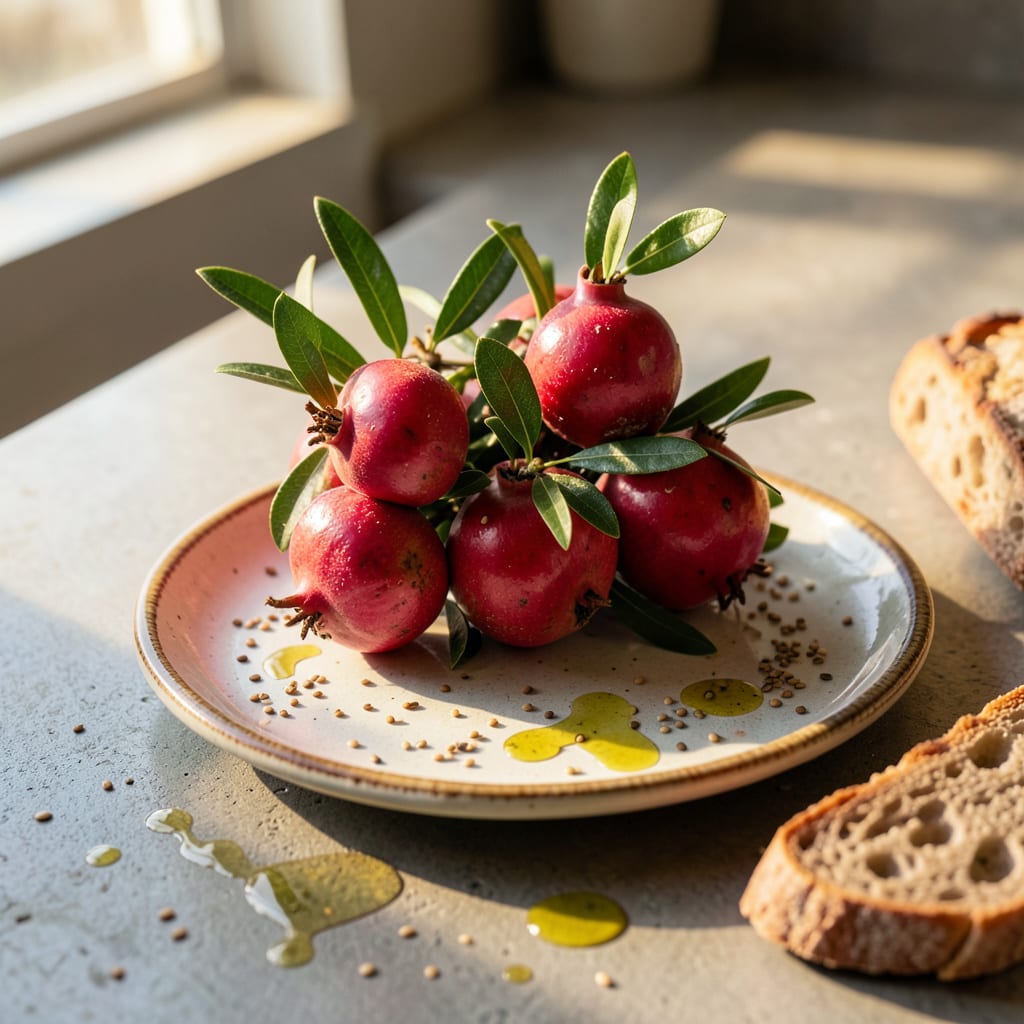
If you’re growing a Pomegranate Tree 🍊 in California, timing your fertilization is crucial. The right schedule can boost your tree‘s health and fruit production, making all the difference in your harvest.
In California’s climate, particularly in USDA zones 9b-11, the fertilization needs of your Pomegranate Tree vary by season. Let’s explore the best times and methods to keep your tree thriving.

Fertilizing pomegranate trees in California requires understanding the state’s diverse climate zones and how they affect tree growth. In California’s USDA zones 9b-11, pomegranate trees have specific fertilization needs that vary by season.
The ideal fertilization schedule for pomegranate trees in California is closely tied to the tree’s growth cycle and the region’s climate conditions. Generally, the best time to fertilize is during the active growing periods 🌿.
The fertilization frequency for pomegranate trees in California is typically every 6-8 weeks during the growing season. The recommended NPK ratio is 10-10-10, providing balanced nutrition for optimal growth and fruit production.
For young trees (less than 2 years old), reduce the fertilizer amount by half to prevent root damage. Monitor soil moisture and adjust fertilization based on tree response 🌟.
In California’s diverse climate zones, from coastal to inland regions, soil conditions can vary significantly. Regular soil testing helps determine nutrient levels and pH, allowing for adjustments to the fertilization schedule.
When applying fertilizer, distribute it evenly across the root zone, typically extending beyond the drip line. Water thoroughly after application to help nutrients reach the roots 💧.
Fertilization timing is critical: apply fertilizer in the early morning when soil is moist, allowing for better nutrient absorption.
For mature trees, maintain the 10-10-10 NPK ratio but adjust the application rate based on tree size and soil conditions. Larger trees may require more frequent or heavier fertilization.
Always follow the manufacturer’s instructions for the specific fertilizer product being used, and consider consulting with local gardening experts for region-specific advice 📚.
By following this seasonal fertilization schedule and adjusting based on your tree’s response, you can promote healthy growth and maximize fruit production in California’s climate.
Regular monitoring of your tree’s health and adjusting the fertilization schedule as needed will help ensure optimal growth and fruit production 🌱.
When it comes to fertilizing pomegranate trees in California, understanding the right techniques can make a significant difference in their health and productivity. I recommend starting with a soil test to determine your soil’s nutrient levels and pH, which will guide your fertilization strategy 🌿.
For pomegranate trees in California, a balanced fertilizer with an NPK ratio of 10-10-10 is generally recommended. This balanced approach provides the necessary nutrients for healthy growth and fruit production.
For young pomegranate trees (less than 2 years old), reduce the fertilizer amount by half to prevent root damage. Monitor soil moisture and adjust fertilization based on tree response.
The timing of fertilization is crucial for pomegranate trees in California. Fertilize during the active growing periods, typically in spring and summer, to support healthy growth and fruit development.
In California’s diverse climate zones, from coastal to inland regions, soil conditions can vary significantly. Regular soil testing helps determine nutrient levels and pH, allowing for adjustments to the fertilization schedule.
When applying fertilizer, distribute it evenly across the root zone, typically extending beyond the drip line. Water thoroughly after application to help nutrients reach the roots 💧.
Fertilization frequency for pomegranate trees in California is typically every 6-8 weeks during the growing season. Adjust the frequency based on tree age, soil conditions, and climate factors.
For mature trees, maintain the 10-10-10 NPK ratio but adjust the application rate based on tree size and soil conditions. Larger trees may require more frequent or heavier fertilization.
By following these fertilization tips and adjusting based on your tree’s response, you can promote healthy growth and maximize fruit production in California’s climate 🌟.
When fertilizing pomegranate trees in California, it’s essential to avoid common mistakes that can harm your tree’s health and productivity. One of the most significant errors is over-fertilization, which can cause nutrient imbalances and damage to the tree.
Avoid fertilizing during the wrong seasons or using the wrong type of fertilizer, as this can cause more harm than good to your pomegranate tree.
Another critical mistake is fertilizing at the wrong time. Pomegranate trees in California should be fertilized during their active growing periods, typically in spring and summer. Fertilizing during the fall or winter can promote new growth that may not have time to harden off before frost, making it susceptible to damage ❄️.
The type of fertilizer used is also crucial. A balanced fertilizer with an NPK ratio of 10-10-10 is generally recommended for pomegranate trees. Using a fertilizer that is too high in nitrogen can promote excessive vegetative growth at the expense of fruit production.
It’s also important to consider the age of your tree. Young trees (less than 2 years old) require less fertilizer, and the amount should be adjusted accordingly to prevent root damage 🌟.
By avoiding these common fertilization mistakes, you can help ensure your pomegranate tree remains healthy and productive. Regular monitoring and adjustments to your fertilization schedule will help you achieve the best results in California’s climate 🌱.
Fertilize your pomegranate tree every 6-8 weeks during the growing season (spring and summer) using a balanced fertilizer (10-10-10 NPK). Adjust frequency based on tree age and soil conditions. Regular soil testing helps determine nutrient levels and pH, allowing for adjustments to the fertilization schedule.
The best time to fertilize is during the active growing periods, typically in spring (February – April) and summer (May – July). Avoid fertilizing during fall and winter when the tree is dormant. Fertilizing at the right time supports healthy growth and fruit production.
It’s recommended to use a balanced fertilizer with an NPK ratio of 10-10-10. Avoid fertilizers too high in nitrogen, as they can promote excessive vegetative growth at the expense of fruit production. Consider your soil type and tree age when selecting a fertilizer. For young trees (less than 2 years old), reduce the fertilizer amount by half to prevent root damage.
Distribute fertilizer evenly across the root zone, typically extending beyond the drip line. Water thoroughly after application to help nutrients reach the roots. Apply fertilizer in the early morning when soil is moist for better nutrient absorption.
