
Beautiful Plants For Your Interior
Beautiful Plants For Your Interior
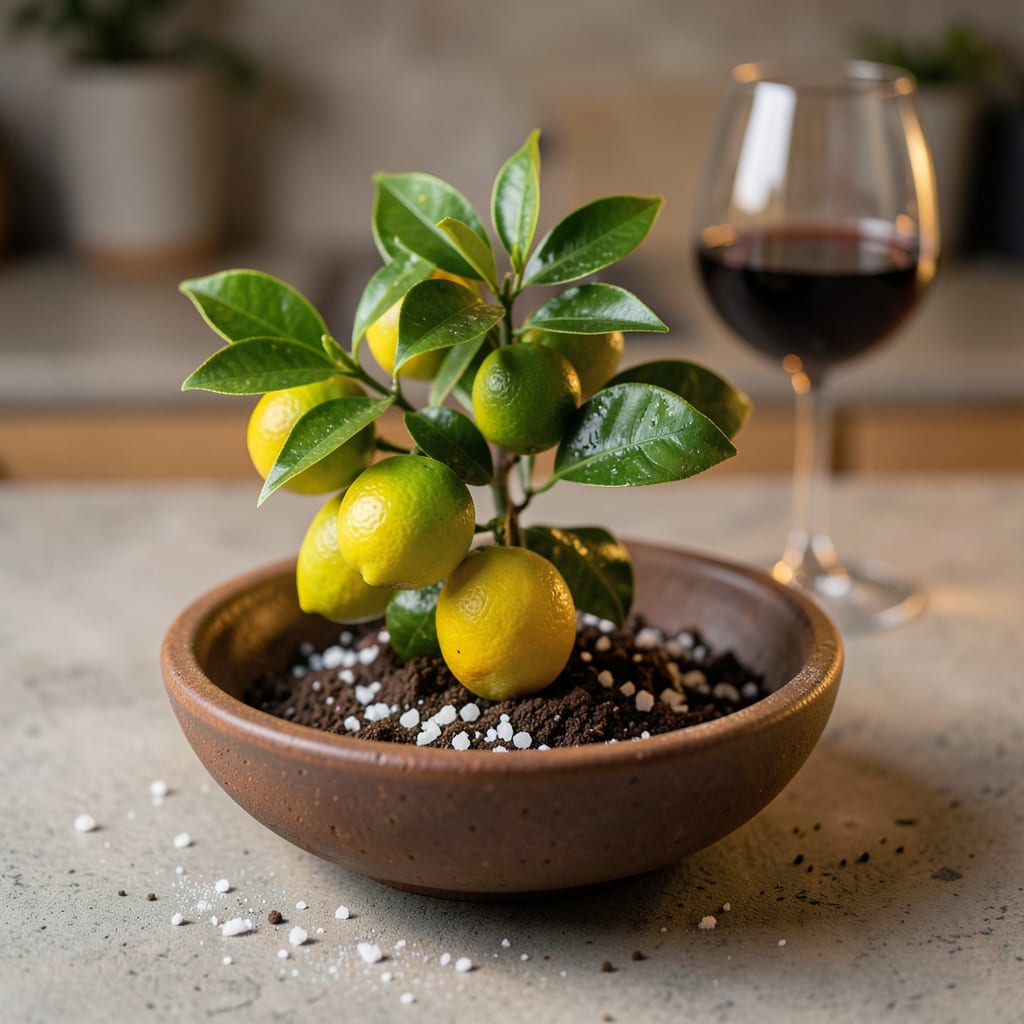
Growing citrus trees in Arizona can be rewarding, especially when you know the right time to fertilize them. In Arizona’s desert climate, timing is everything – fertilizing your 🍊 Citrus Tree at the right moment can significantly boost its health and fruit production.
The ideal fertilization periods in Arizona’s USDA Zone 9b are during the growing seasons, specifically in February-March and August-September. Understanding this schedule helps you provide your tree with the necessary nutrients to thrive.

Fertilizing citrus trees in Arizona requires understanding the state’s unique desert climate and how it affects tree growth. The ideal times to fertilize are during the growing seasons when trees are most active.
In Arizona’s USDA Zone 9b, citrus trees typically experience active growth during spring and late summer. This growth pattern dictates the best fertilization schedule.
The February-March fertilization coincides with the tree’s natural growth surge as temperatures warm up. This timing supports healthy leaf development and fruit production. 🌿
During April-July, citrus trees continue to grow and develop fruit. A light feeding schedule during these months helps maintain nutrient levels without over-fertilizing.
The August-September fertilization period is critical for building reserves for the next year’s crop and supporting late-season fruit development.
October-January is considered the dormant period for citrus trees in Arizona. During this time, fertilization is not necessary as the trees are not actively growing.
Understanding these fertilization periods helps Arizona gardeners maintain healthy citrus trees through proper nutrient management. The key is to synchronize fertilization with the tree’s natural growth cycles.
For optimal results, use a balanced fertilizer with an NPK ratio of 10-10-10 or 12-6-6. The amount should be adjusted based on the tree’s size and age.
Proper timing of fertilization is crucial for maximizing nutrient uptake and supporting overall tree health. By following this schedule, Arizona citrus growers can enjoy healthier trees and better fruit production.
Regular soil testing can help determine specific nutrient needs and adjust the fertilization program accordingly. This approach ensures that citrus trees receive exactly what they need to thrive in Arizona’s climate.
By synchronizing fertilization with the natural growth patterns of citrus trees, Arizona gardeners can create an optimal growing environment that supports both tree health and fruit production throughout the year.
Different citrus tree varieties have unique fertilization needs in Arizona’s climate. Understanding these differences helps you tailor your fertilization approach for optimal results.
While the general fertilization schedule applies to most citrus trees, specific varieties may require adjustments. For example, oranges and lemons have different nutrient requirements compared to limes and other specialty citrus.
The February-March fertilization is particularly important for all citrus varieties as it supports new growth and fruit set. This initial feeding sets the stage for the rest of the growing season.
During April-July, maintaining a light feeding schedule helps support continuous growth and fruit development across different citrus varieties.
The August-September fertilization period is crucial for replenishing nutrients and preparing trees for the next year’s crop, regardless of the specific citrus variety.
By understanding the unique needs of your citrus tree variety, you can adjust your fertilization schedule to maximize health and productivity in Arizona’s climate.
Regular monitoring of your trees’ response to fertilization helps you make necessary adjustments for optimal results. This tailored approach ensures that your citrus trees receive the right nutrients at the right time.
For Arizona gardeners, synchronizing fertilization with the natural growth patterns of different citrus varieties creates an optimal growing environment that supports both tree health and fruit production throughout the year 🌿.
Fertilizing citrus trees in Arizona requires more than just timing – understanding soil conditions is equally important. Arizona’s soil can be alkaline, which affects nutrient availability for citrus trees.
Regular soil testing helps determine nutrient deficiencies and pH levels, allowing for more targeted fertilization strategies 🌿.
Citrus trees in Arizona benefit from regular soil testing to determine nutrient deficiencies and pH levels. This information allows for more targeted fertilization strategies.
Arizona’s alkaline soils often require additional micronutrients like iron and zinc to support healthy citrus tree growth. These nutrients are crucial for maintaining proper tree health and fruit production.
When fertilizing, it’s essential to water thoroughly both before and after application. This helps distribute nutrients evenly throughout the soil and prevents root burn.
The fertilizer type matters too – slow-release formulas are particularly effective in Arizona’s climate as they provide consistent nutrient availability over time.
For optimal results, consider using a citrus-specific fertilizer that contains the necessary micronutrients for these trees. These specialized fertilizers are formulated to address the unique needs of citrus trees in challenging soil conditions.
By combining proper fertilization timing with appropriate soil management techniques, Arizona gardeners can create an optimal growing environment for their citrus trees, leading to healthier trees and more abundant fruit production 🌻.
Fertilize your citrus trees every 6-8 weeks during the growing season, which typically occurs in spring and late summer in Arizona. This schedule supports healthy growth and fruit production. For optimal results, use a balanced fertilizer with an NPK ratio of 10-10-10 or 12-6-6.
Citrus trees in Arizona benefit from citrus-specific fertilizers that contain necessary micronutrients like iron and zinc. These nutrients help counteract the effects of alkaline soil and support healthy tree growth. Regular soil testing can help determine specific nutrient needs.
No, fertilization is not necessary during the October-January dormant period when citrus trees are not actively growing. Fertilizing during this time can be wasteful and potentially harmful to the tree. Wait until February-March for the first fertilization of the year.
Signs of over-fertilization include leaf burn, excessive growth, and reduced fruit production. To avoid this, follow the recommended fertilization schedule and adjust based on soil test results and tree response. Always water thoroughly before and after fertilizing to prevent root damage.
