
Beautiful Plants For Your Interior
Beautiful Plants For Your Interior
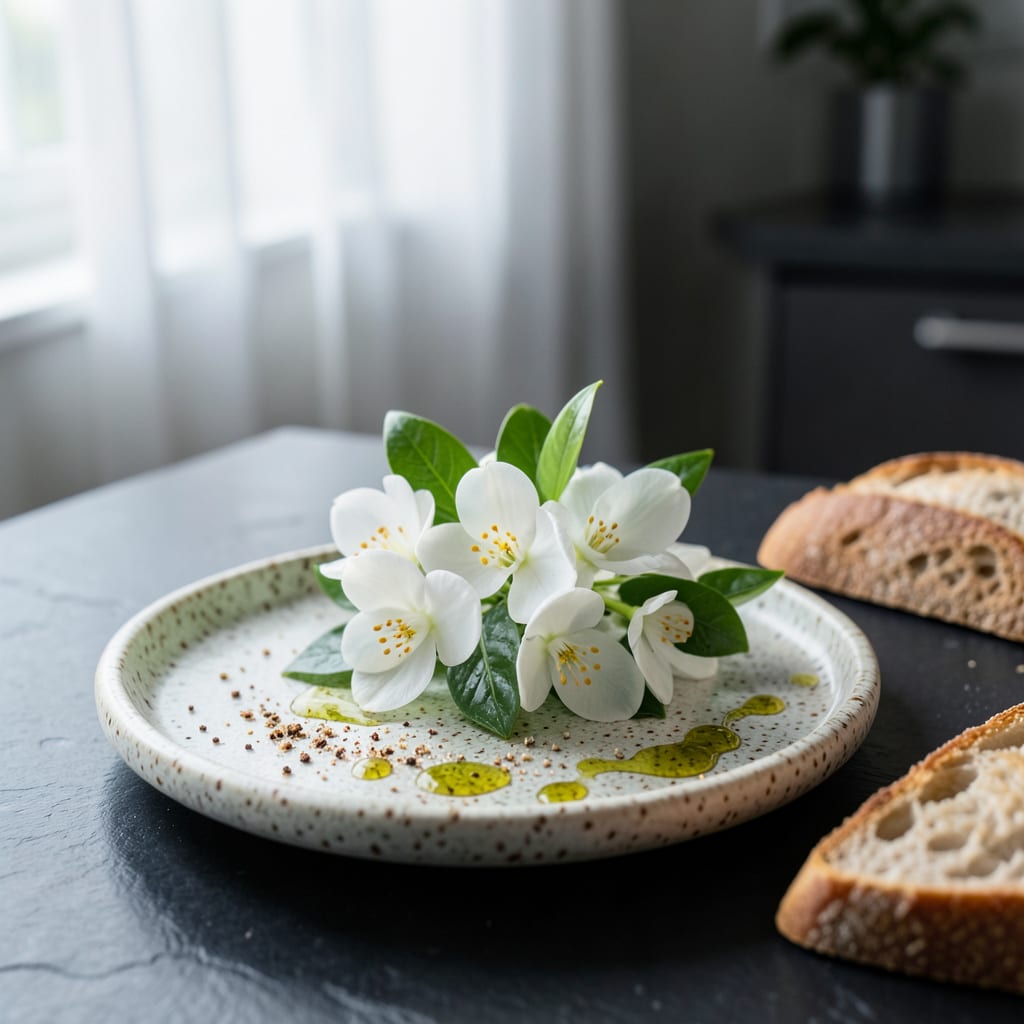
I still remember the first time I saw a jasmine plant 💐 in full bloom – the fragrance was intoxicating! To achieve similar results with your own jasmine, timing is everything when it comes to fertilization. In USDA Zone 6, the growing season is key.
Fertilizing jasmine at the right time can make all the difference in its blooming performance. Let’s explore the best times to fertilize your jasmine plant for maximum blooms.

I still remember the first time I saw a jasmine plant in full bloom – the fragrance was intoxicating! To achieve similar results with your own jasmine, timing is everything when it comes to fertilization. In USDA Zone 6, the growing season is key 🌿.
Fertilizing jasmine at the right time can make all the difference in its blooming performance. The ideal fertilization schedule is crucial for maximizing blooms and maintaining plant health throughout the year.
The key fertilization periods for jasmine are in early spring (March) and fall (September), with lighter feeding during the growing season. This schedule supports both flowering and plant development 🌸.
Understanding these seasonal variations helps gardeners provide their jasmine plants with the necessary nutrients at the right time, promoting healthy growth and abundant blooms.
In spring, fertilization should coincide with new growth, typically around late March in USDA Zone 6. This initial feeding sets the stage for the growing season and supports the development of new shoots and flowers.
During summer, jasmine plants benefit from continued light feeding every 4-6 weeks. This maintains nutrient levels and supports ongoing blooming without over-fertilizing the plant.
In fall, a final fertilization after the blooming period helps prepare the plant for the next growing season. This post-bloom fertilization is crucial for replenishing soil nutrients and supporting root development.
Winter is a period of dormancy for jasmine plants, and no fertilization is needed during this time. The plant’s nutrient requirements are minimal, and fertilizing could potentially cause harm by promoting new growth that may be vulnerable to frost.
By following this seasonal fertilization schedule, gardeners can optimize their jasmine plant’s health and blooming performance throughout the year 🌼.
The type of fertilizer used is also important. A balanced fertilizer with an NPK ratio of 10-10-10 is generally recommended for jasmine plants, as it provides equal parts nitrogen, phosphorus, and potassium.
For optimal results, fertilizer should be applied in the early morning when the soil is moist, allowing for better nutrient absorption throughout the day.
Monitoring the plant’s response to fertilization and adjusting the schedule as needed is crucial for achieving the best results and maintaining overall plant health 🌱.
By understanding and implementing the right fertilization timing and techniques, gardeners can enjoy their jasmine plants’ beautiful blooms and fragrance for years to come.
Fertilizing jasmine plants requires more than just applying any fertilizer – the right type and application method are crucial for achieving maximum blooms 🌼.
I recommend using a balanced fertilizer with an NPK ratio of 10-10-10, as it provides equal parts nitrogen, phosphorus, and potassium, supporting overall plant health and flowering.
For optimal results, fertilize in the early morning when the soil is moist, allowing for better nutrient absorption throughout the day 🌞.
When applying fertilizer, it’s essential to follow the recommended application rates to avoid over-fertilizing, which can damage the plant and reduce blooming.
A general guideline is to use about 1 cup of fertilizer per 10 square feet of soil surface area. However, this may vary depending on the specific fertilizer product and the plant’s size and age.
Frequency of fertilization is another critical factor. During the growing season (spring through summer), jasmine plants benefit from light feeding every 4-6 weeks.
In addition to the right fertilizer type and application frequency, soil preparation plays a significant role in jasmine plant health. Ensuring the soil has good drainage and is rich in organic matter can enhance nutrient uptake and overall plant performance 🌿.
By combining these expert tips – using a balanced fertilizer, applying it at the right time and frequency, and preparing the soil properly – gardeners can promote healthy growth and maximize the blooming potential of their jasmine plants 💐.
Regular monitoring of the plant’s response to fertilization and adjusting the fertilization schedule as needed is also crucial for achieving the best results and maintaining overall plant health 🌱.
With the right fertilization strategy, jasmine plants can thrive and provide beautiful blooms and fragrance for years to come.
Fertilizing jasmine plants can be straightforward, but common mistakes can hinder their growth and blooming potential. One of the most critical errors is over-fertilizing, which can cause nutrient burn and damage the plant 🌿.
Avoid fertilizing jasmine during winter dormancy, as this can promote new growth vulnerable to frost damage ❄️.
Another common mistake is using the wrong type of fertilizer. Jasmine plants benefit from a balanced fertilizer with an NPK ratio of 10-10-10, providing equal parts nitrogen, phosphorus, and potassium 🌱.
Timing is also crucial. Fertilizing too early or too late in the growing season can impact blooming performance. In USDA Zone 6, early spring (March) and fall (September) are the key fertilization periods.
Soil preparation is often overlooked but is essential for effective fertilization. Ensuring the soil has good drainage and is rich in organic matter enhances nutrient uptake and overall plant health 🌸.
By avoiding these common fertilization mistakes and following the recommended fertilization schedule, gardeners can promote healthy growth and maximize the blooming potential of their jasmine plants 💐.
Fertilize your jasmine every 4-6 weeks during the growing season (spring through summer) for optimal blooming performance. This frequency supports healthy growth and flowering without over-fertilizing the plant .
A balanced fertilizer with an NPK ratio of 10-10-10 is recommended for jasmine plants. This type provides equal parts nitrogen, phosphorus, and potassium, supporting overall plant health and flowering .
No, it’s best to avoid fertilizing jasmine during winter dormancy. Fertilizing during this period can promote new growth that’s vulnerable to frost damage. Wait until new growth begins in spring .
A general guideline is to use about 1 cup of fertilizer per 10 square feet of soil surface area. Adjust according to the specific fertilizer product and your plant’s size and age for best results .
