
Beautiful Plants For Your Interior
Beautiful Plants For Your Interior
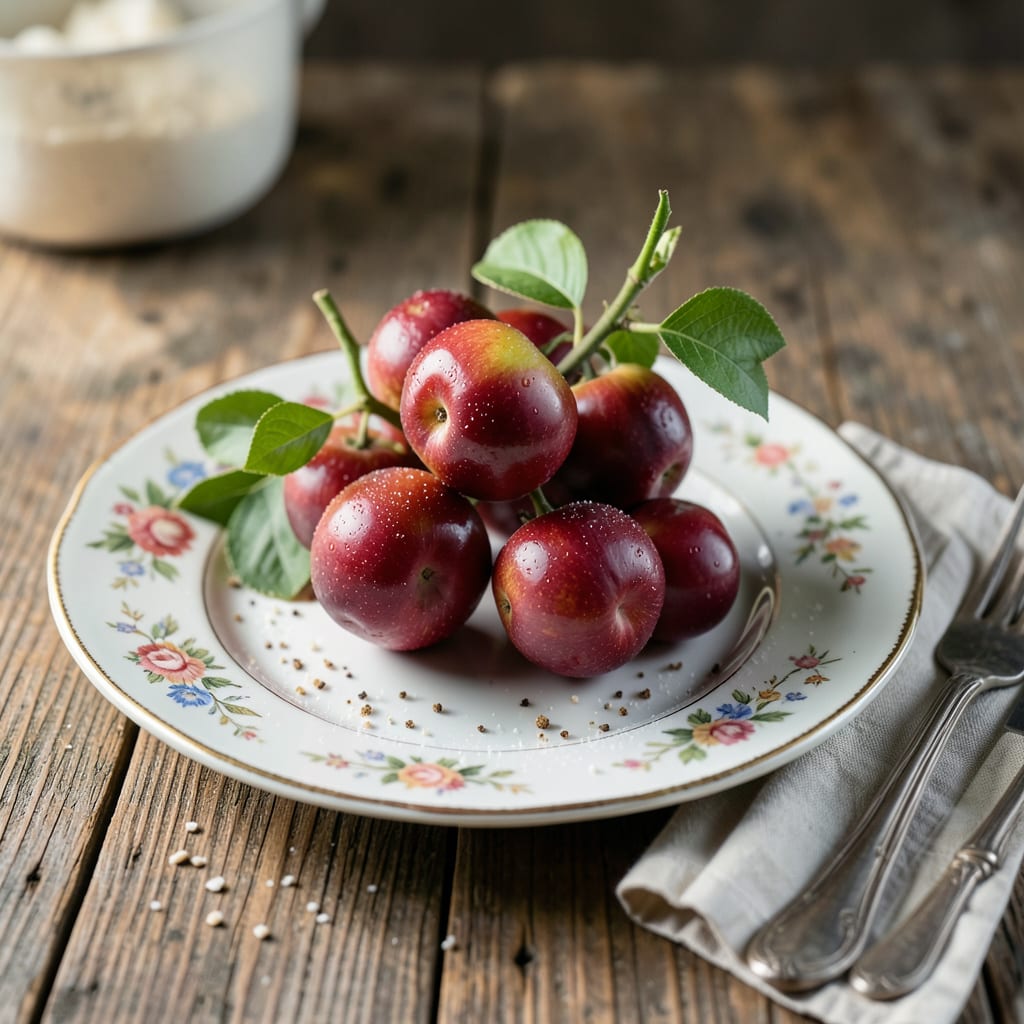
Fertilizing your Fruit Tree 🍎 in Arizona’s desert climate can be tricky, but timing is everything for a bountiful harvest. I’ve learned that February and March are critical months when your tree needs a nutrient boost to thrive.
In Arizona’s 9b zone, you’ll want to feed your Fruit Tree after harvest and again in late winter to promote healthy growth. Let’s dive into the specifics of creating a fertilization schedule that works for you and your tree.

Fertilizing fruit trees in Arizona requires understanding the state’s unique growing seasons and how they impact fertilization needs. The desert climate means trees have different nutrient requirements compared to other regions. I recommend considering the specific variety of fruit tree you’re growing, as different types have varying needs 🌵.
Arizona’s fruit trees typically benefit from fertilization during their active growing periods. The key is to fertilize when the tree is actively producing new growth, usually in early spring. This timing supports healthy development and maximizes fruit production. Let’s look at the optimal fertilization schedule 📅.
The ideal fertilization window for most fruit trees in Arizona is between late winter and early spring. This period, typically from February to March, is when trees begin their active growth phase and benefit most from nutrient supplementation. During this time, a balanced fertilizer with equal parts nitrogen, phosphorus, and potassium (NPK) is recommended 🌱.
Different fruit tree varieties may have slightly different fertilization needs. For example, citrus trees often require additional micronutrients like zinc and magnesium. I always check the specific needs of my tree to ensure I’m providing the right nutrients 💡.
In addition to timing, soil conditions play a crucial role in how effectively your fruit trees can absorb nutrients. Arizona’s desert soil tends to be alkaline, which can affect nutrient availability. I
While fertilization is important, it’s equally crucial not to over-fertilize. Too much fertilizer can damage your trees and potentially harm the environment. I follow the recommended application rates and consider factors like soil type and tree age when determining how much fertilizer to use 🌿.
For young trees (less than 3 years old), I use a starter fertilizer that’s high in phosphorus to promote root development. Mature trees, on the other hand, benefit from a more balanced NPK ratio. I also consider organic alternatives like compost or manure tea for a more natural approach to fertilization 🌻.
It’s worth noting that fertilization should be part of a comprehensive tree care plan that includes proper watering, pruning, and pest management. By combining these practices, you can ensure your fruit trees remain healthy and productive for years to come 🌟.
For more specific guidance tailored to your particular fruit tree variety and local conditions, I recommend consulting with a local nursery or horticulturist. They can provide valuable insights based on their experience with the specific challenges and opportunities presented by Arizona’s climate ☀️.
In conclusion, fertilizing fruit trees in Arizona requires careful consideration of timing, tree variety, and soil conditions. By following these guidelines and staying attuned to your trees’ needs, you can enjoy a bountiful harvest of delicious homegrown fruit 🍎.
Fertilizing fruit trees in Arizona requires a seasonal approach that aligns with the state’s unique climate conditions. I recommend creating a monthly fertilization schedule to ensure your trees receive the right nutrients at the right time 📅.
The key to successful fertilization is understanding how Arizona’s distinct seasons affect fruit tree growth. Let’s break down the monthly fertilization guide for various fruit tree types 🌟.
Apply balanced fertilizer (10-10-10 NPK) after the last frost, promoting new growth and fruit development 🌱.
Second fertilization during budbreak supports fruit development and tree health. Consider adding micronutrients if necessary 💡.
Continue with light fertilization, supporting fruit growth and tree health during the late spring 🌿.
During the summer months, it’s generally recommended to avoid fertilizing fruit trees in Arizona due to the extreme heat. Instead, focus on proper watering and pest management to ensure tree health ☀️.
In the fall and winter, fruit trees typically enter dormancy, and fertilization is not necessary. This period allows trees to conserve energy and prepare for the next growing season 🌟.
By following this seasonal fertilization schedule, you can provide your fruit trees with the necessary nutrients to thrive in Arizona’s climate.
For more detailed guidance on fertilizing specific types of fruit trees in Arizona, I recommend consulting with local gardening experts or checking resources from the University of Arizona Cooperative Extension 🌿.
In conclusion, a well-planned fertilization schedule is crucial for the health and productivity of fruit trees in Arizona. By fertilizing at the right times and considering the unique needs of your trees, you can enjoy a bountiful harvest of delicious homegrown fruit 🍎.
Fertilizing fruit trees in Arizona’s unique desert soil requires careful consideration of nutrient needs and potential soil challenges. I always recommend understanding your specific soil conditions before applying any fertilizers 🌿.
Arizona’s desert soil tends to be alkaline, which can affect nutrient availability. Be cautious of over-fertilization and consider soil testing to determine specific nutrient needs.
When fertilizing fruit trees in Arizona, it’s crucial to consider the tree’s age and variety. Young trees require more frequent fertilization than mature trees, while different varieties may have specific nutrient requirements 🌟.
I recommend using a balanced fertilizer with a ratio like 10-10-10 NPK for most fruit trees. However, some trees may benefit from additional micronutrients like zinc or magnesium. Always follow the manufacturer’s instructions for application rates to avoid over-fertilizing 📦.
Proper watering practices are also essential when fertilizing. I
By following these tips and being mindful of your trees’ specific needs, you can create a fertilization plan that promotes healthy growth and maximizes fruit production in Arizona’s desert climate 🌻.
In summary, fertilizing fruit trees in Arizona requires a thoughtful approach that considers soil conditions, tree variety, and proper watering practices. By taking these factors into account, you can enjoy a bountiful harvest of delicious homegrown fruit 🍎.
The best time to fertilize fruit trees in Arizona is during late winter to early spring, typically from February to March. This period allows for optimal nutrient uptake and supports healthy growth. Fertilizing during this time helps promote new growth and fruit development.
Fertilization frequency depends on the tree’s age and variety. Generally, fruit trees in Arizona benefit from fertilization every 4-6 weeks during the growing season. Young trees may require more frequent fertilization than mature trees. It’s essential to follow a balanced fertilization schedule.
A balanced fertilizer with a ratio like 10-10-10 NPK is recommended for most fruit trees in Arizona. Some trees may benefit from additional micronutrients like zinc or magnesium. It’s crucial to consider the specific needs of your tree variety and soil conditions when choosing a fertilizer.
It’s generally not recommended to fertilize fruit trees during the extreme heat of Arizona’s summer. Instead, focus on proper watering and pest management during this time. Fertilization can be resumed in the late winter to early spring when the trees are actively growing.
