
Beautiful Plants For Your Interior
Beautiful Plants For Your Interior
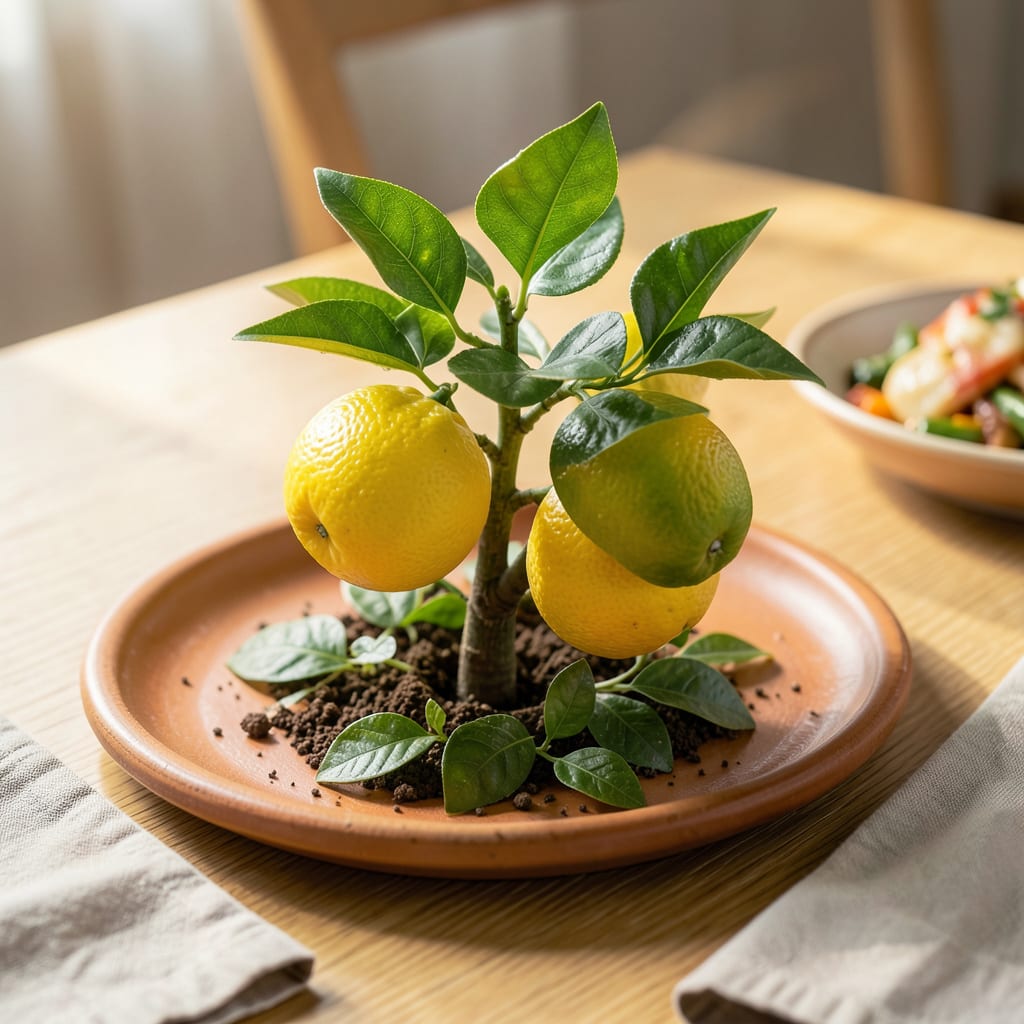
Fertilizing your Citrus Tree 🍊 at the right time is crucial for its health and fruit production. In USDA Zone 9b, where citrus trees thrive, proper timing ensures maximum nutrient absorption and better growth throughout the year.
I’ll guide you through the best times to fertilize your citrus tree, helping you understand when to provide the necessary nutrients for optimal growth and fruiting.

Fertilizing citrus trees at the right time is crucial for their health and fruit production. Proper timing ensures maximum nutrient absorption and better growth throughout the year. In USDA Zone 9b, where citrus trees thrive, understanding the optimal fertilization schedule is key to successful cultivation.
The fertilization schedule for citrus trees depends on factors such as tree age, climate, and growth cycles. Generally, citrus trees benefit from regular fertilization during their active growing periods. I’ll outline the best times to fertilize your citrus trees to maximize their growth and productivity.
The fertilizerMonths pattern for citrus trees in USDA Zone 9b is: “none, none, feed, light, feed, light, feed, light, feed, none, none, none”. This schedule aligns with the tree’s natural growth cycles and nutrient needs throughout the year.
Key considerations for fertilizing citrus trees include:
By following this fertilization schedule and considering the specific needs of your citrus trees, you can promote healthy growth and maximize fruit production. Regular monitoring of your trees’ response to fertilization will help you adjust the schedule as needed.
For citrus trees in containers, the fertilization schedule remains similar, but you should also consider the container size and soil mix when determining fertilizer application rates.
Fertilizer type is another critical factor: a balanced fertilizer with an NPK ratio of 10-10-10 or similar is typically recommended for citrus trees. The fertilizerAmount should be adjusted based on the tree’s age and size, with younger trees requiring smaller, more frequent applications.
It’s also important to water thoroughly after fertilizing to help distribute the nutrients throughout the soil. This ensures that the roots can absorb the necessary nutrients for healthy growth and fruit production.
Monitoring your citrus trees’ response to fertilization is crucial. Look for signs of nutrient deficiencies, such as yellowing leaves or poor fruit set, and adjust your fertilization schedule accordingly.
By understanding the optimal times to fertilize your citrus trees and following a well-planned fertilization schedule, you can enjoy a bountiful harvest of delicious citrus fruits while maintaining the overall health of your trees 🌼.
Fertilizing citrus trees effectively requires understanding the right techniques and materials to promote healthy growth and maximize fruit production. Proper fertilization ensures that your citrus trees receive the necessary nutrients to thrive throughout the year.
I recommend using a balanced fertilizer with an NPK ratio of 10-10-10 or similar for optimal results. The frequency of fertilization depends on factors such as tree age and soil conditions. For young trees (1-3 years), more frequent fertilization is necessary compared to mature trees.
For optimal results, fertilize citrus trees in the early morning when the soil is moist, allowing for better nutrient absorption.
Key factors to consider when fertilizing citrus trees include:
For citrus trees in containers, adjust the fertilizer amount based on the container size and soil mix. Regular monitoring of your trees’ response to fertilization will help you adjust the schedule as needed.
Watering thoroughly after fertilizing is crucial to distribute nutrients throughout the soil, ensuring healthy growth and fruit production. Look for signs of nutrient deficiencies, such as yellowing leaves or poor fruit set, and adjust your fertilization schedule accordingly.
By following these guidelines and considering the specific needs of your citrus trees, you can promote healthy growth and maximize fruit production, enjoying a bountiful harvest of delicious citrus fruits 🌼.
Regular maintenance is key to the long-term health of your citrus trees. This includes not only proper fertilization but also adequate watering and pest management.
For more detailed information on caring for citrus trees, including pest management and pruning techniques, refer to additional resources or consult with a local gardening expert.
Fertilizing citrus trees can be straightforward, but there are several common mistakes to avoid to ensure the health and productivity of your trees. I’ll outline these mistakes and provide guidance on how to prevent them.
Avoid over-fertilizing citrus trees, as this can cause more harm than good, leading to nutrient imbalances and potentially damaging the tree.
Common mistakes to avoid when fertilizing citrus trees include:
To avoid these mistakes, it’s essential to understand your tree’s needs and adjust your fertilization schedule accordingly. Regular monitoring of your trees’ response to fertilization will help you make necessary adjustments.
By being aware of these common mistakes and taking steps to avoid them, you can ensure that your citrus trees receive the nutrients they need to thrive, leading to healthy growth and abundant fruit production 🌼.
Citrus trees typically require fertilization every 6-8 weeks during their active growing periods. The exact frequency depends on factors like tree age and soil conditions. Young trees need more frequent fertilization than mature ones.
A balanced fertilizer with an NPK ratio of 10-10-10 or similar is recommended for citrus trees. This type of fertilizer provides the necessary nutrients for healthy growth and fruit production.
No, it’s generally recommended to skip fertilizing citrus trees during the dormant winter period. Fertilizing during this time can be ineffective and potentially harmful. Wait until the start of the growing season in early spring to resume fertilization.
Signs of over-fertilization include leaf burn and reduced fruit production. If you notice these symptoms, stop fertilizing and consider soil testing to determine the nutrient levels. Adjust your fertilization schedule accordingly to prevent further damage.
