
Beautiful Plants For Your Interior
Beautiful Plants For Your Interior
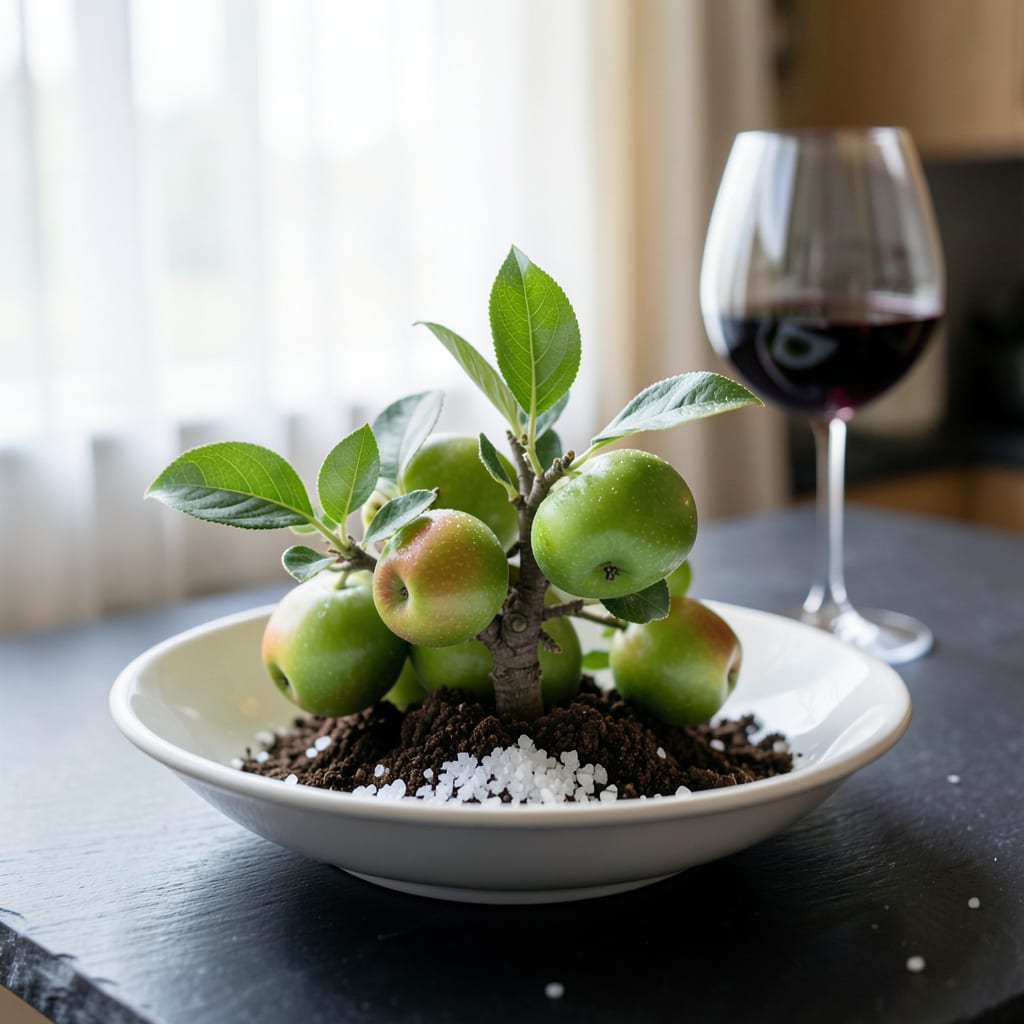
Fertilizing your 🍎 Fruit Tree at the right time is crucial for a bountiful harvest in California. The state’s diverse climate zones mean that timing is everything – fertilize too early or too late, and you might miss the mark.
In California’s USDA zones 9-11, the ideal time to fertilize your Fruit Tree is during the dormant season, typically in late winter to early spring. This allows the tree to absorb the necessary nutrients for a healthy growing season. Let’s dive into the details.

In California, the ideal time to fertilize fruit trees varies by season and climate zone. Understanding these seasonal changes is crucial for maximizing yield and maintaining tree health 🌞.
The state’s diverse climate zones, ranging from cool coastal areas to hot inland valleys, affect fertilization timing. Generally, fruit trees in California benefit from fertilization during their dormant season, typically in late winter to early spring 🌱.
February is typically considered the best month to fertilize fruit trees in California. This timing allows trees to absorb nutrients before the growing season begins 🌟.
For specific tree types, such as citrus and stone fruits, the fertilization schedule may vary. Citrus trees, for example, may benefit from additional fertilization in early spring (March) 🌱.
It’s essential to consider the climate zone and tree type when determining the best fertilization schedule. California’s diverse climate zones, from cool coastal areas to hot inland valleys, require different approaches to fertilization ☁️.
Some fruit trees, like apple and pear trees, may require a different fertilization schedule than others. Understanding these specific needs is crucial for optimal tree health and fruit production 📚.
In addition to timing, the type of fertilizer used is also critical. A balanced fertilizer with a mix of nitrogen, phosphorus, and potassium (NPK) is generally recommended for fruit trees in California 🔍.
The NPK ratio should be tailored to the specific needs of the tree. For example, citrus trees may benefit from a fertilizer with a higher nitrogen content to promote healthy foliage and fruit production 📊.
Fertilization should be done in conjunction with other tree care practices, such as pruning and watering. Proper pruning helps maintain tree health, while adequate watering ensures that the tree can absorb the necessary nutrients 💧.
It’s also important to avoid over-fertilizing, as this can cause more harm than good. Over-fertilization can lead to excessive vegetative growth, making the tree more susceptible to disease and pests 🚨.
By understanding the best times to fertilize fruit trees in California and tailoring your fertilization schedule to the specific needs of your trees, you can promote healthy tree growth and maximize your harvest 🎉.
Regular soil testing can help determine the nutrient needs of your fruit trees, ensuring that you’re providing the right balance of nutrients for optimal health and productivity 🌱.
In California, different types of fruit trees have unique fertilization needs. Understanding these specific requirements is crucial for optimal tree health and fruit production 📚.
Citrus trees, for example, benefit from additional fertilization in early spring (March). A fertilizer with a higher nitrogen content promotes healthy foliage and fruit production 🌟.
The type of fertilizer used is also critical. A balanced fertilizer with a mix of nitrogen, phosphorus, and potassium (NPK) is generally recommended for fruit trees in California 🔍.
Nitrogen promotes healthy foliage and fruit production, while phosphorus supports root development and fruiting. Potassium helps with overall tree health and resistance to disease 🌿.
It’s essential to consider the age and size of the tree when determining the amount of fertilizer to apply. Younger trees require more frequent fertilization, while mature trees need less frequent applications 📊.
Soil testing can help determine the nutrient needs of your fruit trees, ensuring that you’re providing the right balance of nutrients for optimal health and productivity 🌱.
By understanding the specific fertilization needs of your fruit trees and tailoring your fertilization schedule accordingly, you can promote healthy tree growth and maximize your harvest 🎉.
Fertilizing fruit trees in California requires careful consideration of the state’s diverse climate zones and soil conditions. Understanding common mistakes can help you avoid them and ensure your trees receive the nutrients they need 🌟.
One of the most significant errors is over-fertilization, which can damage trees and the environment. Too much fertilizer can cause excessive vegetative growth, making trees more susceptible to disease and pests 🚨.
Over-fertilizing can cause more harm than good. It leads to excessive growth, making trees vulnerable to disease and pests. Always follow recommended fertilizer application rates 📝.
Soil testing is crucial before fertilizing. It helps determine the nutrient needs of your fruit trees, ensuring you provide the right balance for optimal health and productivity 🌱.
Another mistake is fertilizing at the wrong time. In California, it’s generally recommended to fertilize fruit trees during their dormant season, typically in late winter to early spring 📆.
Choosing the right fertilizer is also vital. A balanced fertilizer with a mix of nitrogen, phosphorus, and potassium (NPK) is generally recommended for fruit trees in California 🔍.
By avoiding these common fertilization mistakes, you can promote healthy tree growth and maximize your harvest. Regular monitoring and adjustments to your fertilization schedule will help ensure your fruit trees thrive in California’s climate 🎉.
In California, the ideal time to fertilize fruit trees is during their dormant season, typically in late winter to early spring. For most fruit trees, February is considered the best month. This timing allows trees to absorb nutrients before the growing season begins.
No, different types of fruit trees have unique fertilization needs. For example, citrus trees benefit from additional fertilization in early spring (March), while stone fruit trees should be fertilized in late winter (February). Understanding these specific needs is crucial for optimal tree health and fruit production.
A balanced fertilizer with a mix of nitrogen, phosphorus, and potassium (NPK) is generally recommended. The NPK ratio should be tailored to the specific needs of the tree. For example, citrus trees may benefit from a fertilizer with a higher nitrogen content to promote healthy foliage and fruit production.
Fertilization frequency depends on the age and size of the tree. Younger trees require more frequent fertilization, while mature trees need less frequent applications. Generally, fertilize fruit trees every 4-6 weeks during the growing season. Regular soil testing can help determine the nutrient needs of your trees.
