
Beautiful Plants For Your Interior
Beautiful Plants For Your Interior
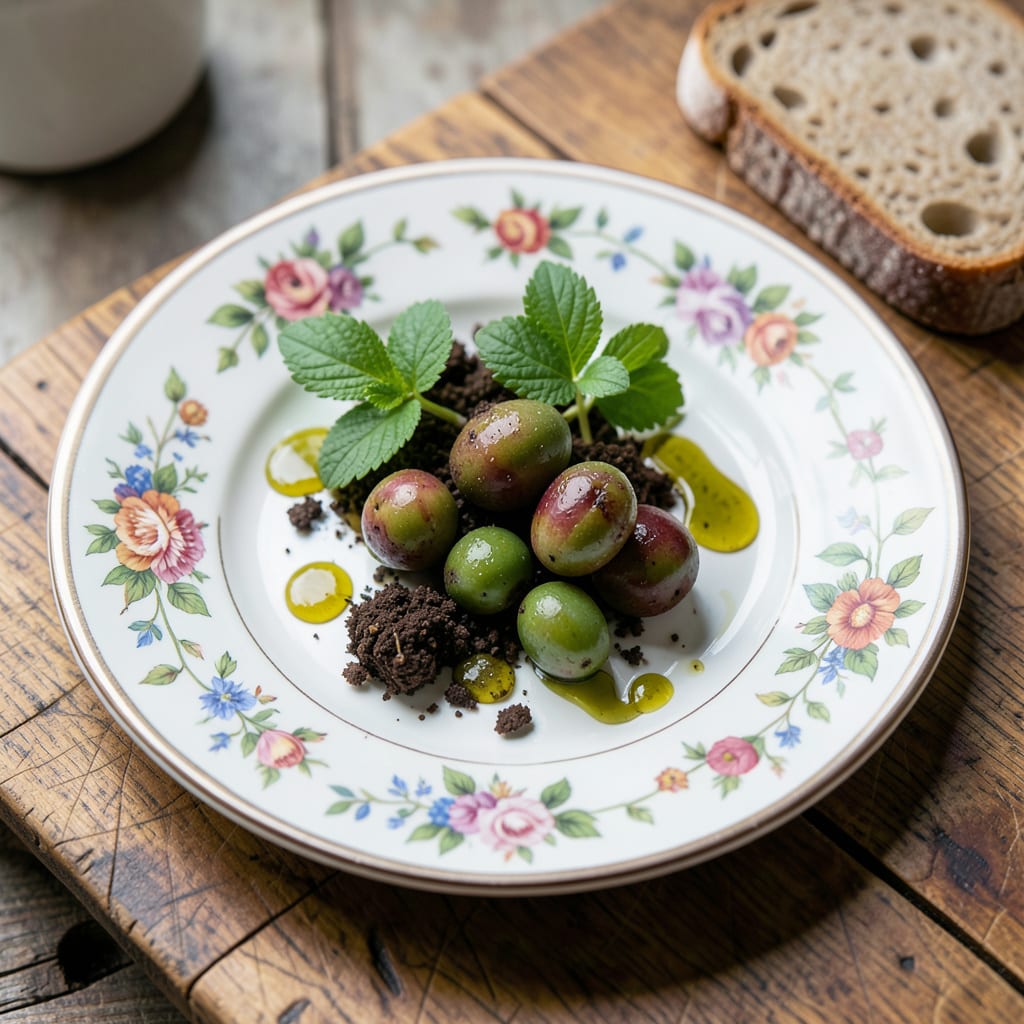
Fertilizing your Fruit Tree 🍎 at the right time is crucial for its health and productivity. Proper timing ensures maximum growth and fruit production, making all the difference in your harvest.
In USDA Zone 6, early spring is typically the best time to fertilize your Fruit Tree. I’ll guide you through the process, covering the best fertilizers to use and tips for optimal tree health.

Fertilizing fruit trees at the right time is crucial for their health and productivity. The ideal fertilization schedule depends on factors such as tree type, age, and climate conditions. Understanding these factors will help you maximize growth and fruit production 🌳.
In general, fruit trees benefit from fertilization during their active growing season. For most regions, this means fertilizing in early spring when the trees are coming out of dormancy. The exact timing can vary based on your specific climate and the type of fruit tree you have 📅.
The age of your fruit tree also plays a significant role in determining the best fertilization time. Younger trees typically require more frequent fertilization than mature trees. For newly planted trees, it’s essential to wait until they’ve had a chance to establish themselves before applying fertilizer 🌱.
Climate conditions, such as temperature and rainfall, can also impact the optimal fertilization time. In areas with mild winters, fruit trees may require fertilization more frequently than in regions with colder winters ❄️.
For fruit trees in USDA Zone 6, early spring is generally the best time to fertilize. This allows the trees to take advantage of the nutrients as they begin their active growth phase 🌫.
When fertilizing, it’s crucial to choose the right type of fertilizer for your fruit trees. A balanced fertilizer with an NPK ratio of 10-10-10 is generally recommended for most fruit trees. However, some trees may have specific nutrient requirements, so it’s essential to research the needs of your particular tree variety 📚.
Applying fertilizer at the correct rate is also vital. Over-fertilization can damage your trees, while under-fertilization may not provide the necessary nutrients for optimal growth. A general rule of thumb is to apply 1 cup of fertilizer per inch of trunk diameter 🌿.
The method of fertilizer application can also impact its effectiveness. For most fruit trees, broadcasting the fertilizer under the tree’s canopy is recommended. This ensures that the nutrients are distributed evenly throughout the root zone 🌻.
After fertilizing, it’s a good idea to water your trees thoroughly. This helps to incorporate the fertilizer into the soil and makes the nutrients more available to the tree’s roots 💧.
Regular soil testing can help you determine the nutrient needs of your fruit trees more accurately. Based on the soil test results, you can adjust your fertilization schedule and choose the most appropriate fertilizer 🌱.
By understanding the best time to fertilize your fruit trees and following proper fertilization practices, you can promote healthy growth and maximize fruit production. This will help you enjoy a bountiful harvest for years to come 🎉.
Fertilizing fruit trees effectively requires careful consideration of several factors, including the type of fertilizer, application methods, and avoiding common mistakes. By following these practical tips, you can ensure your fruit trees receive the necessary nutrients for optimal growth and fruit production 🌳.
The first step in fertilizing your fruit trees is to choose the right type of fertilizer. A balanced fertilizer with an NPK ratio of 10-10-10 is generally recommended for most fruit trees. However, some trees may have specific nutrient requirements, so it’s essential to research the needs of your particular tree variety 📚.
When fertilizing fruit trees, it’s crucial to avoid over-fertilization, which can damage the trees. A general rule of thumb is to apply 1 cup of fertilizer per inch of trunk diameter 🌿.
The method of fertilizer application can also impact its effectiveness. For most fruit trees, broadcasting the fertilizer under the tree’s canopy is recommended. This ensures that the nutrients are distributed evenly throughout the root zone 🌻.
After fertilizing, it’s a good idea to water your trees thoroughly. This helps to incorporate the fertilizer into the soil and makes the nutrients more available to the tree’s roots 💧.
Regular soil testing can help you determine the nutrient needs of your fruit trees more accurately. Based on the soil test results, you can adjust your fertilization schedule and choose the most appropriate fertilizer 🌱.
By following these practical tips and avoiding common mistakes, you can ensure your fruit trees receive the necessary nutrients for optimal growth and fruit production. This will help you enjoy a bountiful harvest for years to come 🎉.
Fertilizing fruit trees is not a one-size-fits-all approach. Different tree varieties have specific fertilization needs, and understanding these needs is crucial for optimal results 🌟.
For example, apple trees benefit from fertilization in early spring, at budbreak. Citrus trees, on the other hand, require fertilization in late winter to early spring. By understanding the specific needs of your fruit trees, you can tailor your fertilization schedule for maximum growth and fruit production 📅.
Different fruit tree varieties have unique fertilization needs that are crucial for optimal growth and fruit production. Understanding these specific requirements helps you tailor your fertilization schedule for maximum results 🌳.
For instance, apple trees benefit from fertilization in early spring, at budbreak, while citrus trees require fertilization in late winter to early spring. The specific nutrient requirements also vary among different fruit tree types 📚.
By understanding the specific fertilization needs of your fruit trees, you can create a tailored fertilization schedule that promotes healthy growth and maximizes fruit production 📅.
Regular monitoring of your trees’ response to fertilization is also essential. Adjust your fertilization strategy as needed based on tree performance and soil test results 🌱.
Proper fertilization is just one aspect of maintaining healthy fruit trees. Combine it with other good gardening practices, such as regular watering and pruning, for optimal results 🌻.
Fertilize your fruit trees every 4-6 weeks during the growing season, typically from early spring to late summer. The exact frequency depends on the tree type and age. Younger trees require more frequent fertilization than mature trees.
A balanced fertilizer with an NPK ratio of 10-10-10 is generally recommended for most fruit trees. However, some trees may have specific nutrient requirements, so research the needs of your particular tree variety.
A general rule of thumb is to apply 1 cup of fertilizer per inch of trunk diameter. Avoid over-fertilization, as it can damage your trees. Measure the trunk diameter to determine the correct amount.
No, it’s best to avoid fertilizing fruit trees in winter when they’re dormant. Fertilization during this period can promote new growth that may be damaged by frost. Wait until early spring when the trees begin their active growth phase.
