
Beautiful Plants For Your Interior
Beautiful Plants For Your Interior
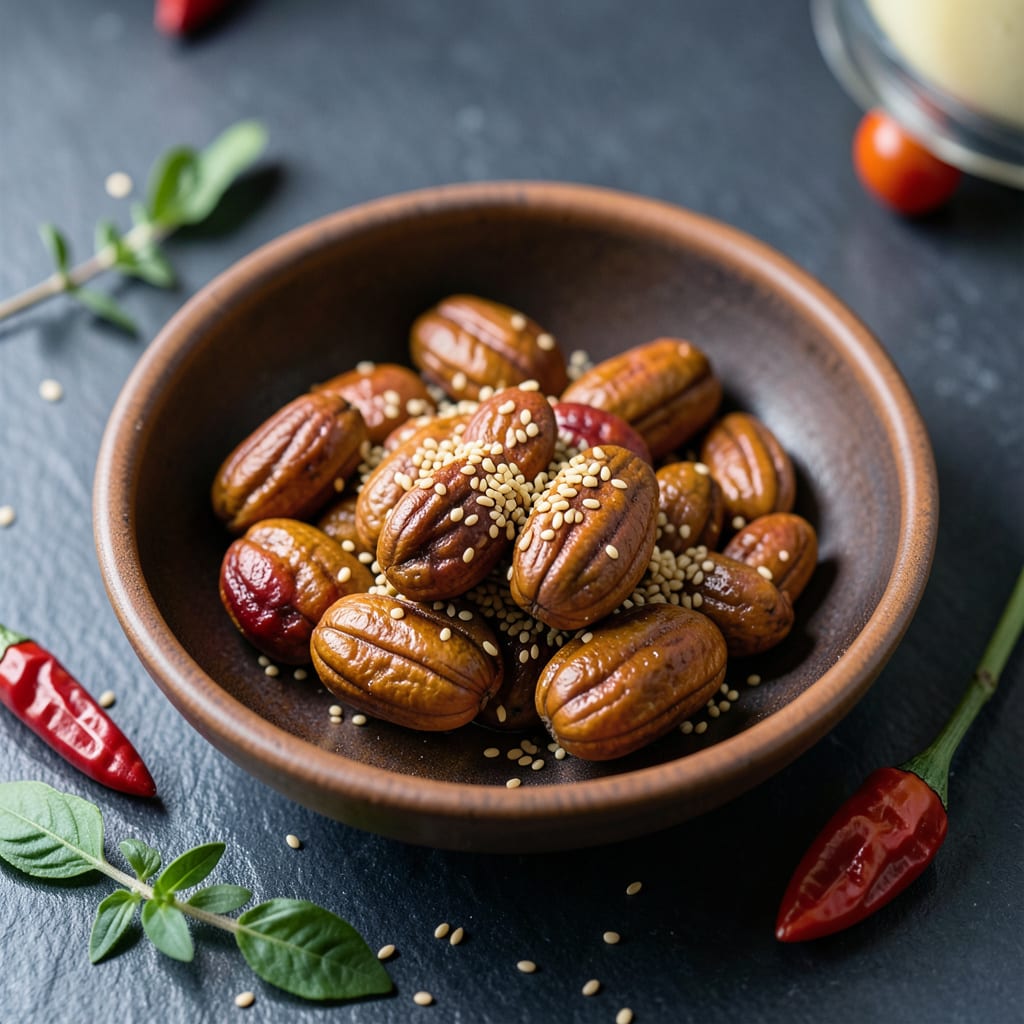
As spring arrives, your Pecan Tree 🌳 begins its growing season, making it the perfect time to think about fertilization. Proper fertilization is crucial for maintaining healthy trees and maximizing nut production.
Knowing the right time to fertilize can significantly impact your tree’s growth and yield. In USDA Zone 6, March is typically the ideal month to start fertilizing your Pecan Tree, providing essential nutrients for the growing season ahead.

Fertilizing pecan trees at the right time is crucial for their health and productivity. The best times to fertilize are during the growing season when the trees can best utilize the nutrients.
In USDA Zone 6, pecan trees typically start their growing season in March and continue through the summer months. Fertilization should be planned around this growth cycle for optimal results 🌳.
The fertilization schedule for pecan trees is closely tied to their growth cycle. In early spring, a balanced fertilizer provides essential nutrients for new growth. Later in the spring and through the summer, light feeding helps maintain nutrient levels. After harvest, a final application prepares the tree for the next growing season.
Understanding the growth cycle of pecan trees is key to determining the best fertilization times. The trees typically start growing in March and continue through the summer. Fertilization should be planned around this cycle.
March is a critical month for fertilization as it coincides with the beginning of the growing season. Applying a balanced fertilizer at this time supports healthy growth and development.
In addition to the initial spring fertilization, continued feeding throughout the growing season is important. This helps maintain nutrient levels and supports the tree’s overall health.
Pecan trees benefit from regular monitoring of their nutrient needs. Soil testing can help determine the specific nutrients required, ensuring that fertilization is effective and targeted.
The type of fertilizer used is also important. A balanced fertilizer with an NPK ratio of 10-10-10 is generally recommended for pecan trees.
Fertilization should be done in the early morning when the tree can best absorb the nutrients. This timing helps maximize the effectiveness of the fertilizer.
It’s also important to avoid over-fertilization, as this can harm the tree and the environment. Following the recommended fertilization schedule and rates is crucial.
By following a seasonal fertilization schedule, you can support the health and productivity of your pecan trees. This approach ensures that the trees receive the nutrients they need at the right times.
Proper fertilization is a key component of pecan tree care. By understanding the best times to fertilize and following a targeted fertilization schedule, you can promote healthy growth and maximize nut production.
Understanding the factors that influence pecan tree fertilization is crucial for maintaining their health and maximizing nut production. Several key elements affect when and how to fertilize these trees 🌳.
The age of the tree is a significant factor in determining fertilization needs. Younger trees require more frequent fertilization to support their rapid growth, while mature trees need less frequent but still regular nutrient supplementation.
Soil conditions play a critical role in pecan tree fertilization. Testing your soil can help determine its nutrient content and pH level, allowing for more targeted fertilization.
Soil conditions are another critical factor. The nutrient content and pH level of the soil directly impact the tree’s ability to absorb necessary nutrients. Regular soil testing helps determine the specific fertilization needs of your pecan trees.
Nutrient deficiencies can significantly affect pecan tree health and productivity. Common deficiencies include nitrogen, phosphorus, and potassium. Fertilizers should be chosen based on the specific needs identified through soil testing.
Climate considerations also play a role in fertilization timing. Weather patterns, including rainfall and temperature fluctuations, can impact nutrient availability and uptake by the trees.
The type of fertilizer used is important for effective pecan tree fertilization. A balanced fertilizer with an appropriate NPK ratio is generally recommended. The specific ratio may vary based on soil test results and the tree’s nutrient needs.
Regular monitoring of the trees’ response to fertilization is essential. This helps in adjusting the fertilization schedule as needed to ensure optimal tree health and productivity.
By considering these factors and adjusting your fertilization strategy accordingly, you can better support the health and productivity of your pecan trees 🌳.
Fertilizing pecan trees requires careful consideration to avoid common mistakes that can harm tree health and productivity. One of the most critical errors is over-fertilization, which can damage the tree and the environment 🌳.
Over-fertilization can cause nutrient imbalances, soil damage, and even tree death. Always follow recommended fertilization rates and schedules.
Another common mistake is using the wrong type of fertilizer. Pecan trees require a balanced fertilizer with an appropriate NPK ratio. Using a fertilizer that is too high in one nutrient can lead to deficiencies in others.
Timing errors are also a frequent issue. Fertilizing at the wrong time can reduce the effectiveness of the fertilizer or even harm the tree. For pecan trees, March is a critical month for fertilization as it coincides with the beginning of the growing season.
Soil testing is essential to determine the specific nutrient needs of your pecan trees. Without soil testing, you risk applying unnecessary nutrients or missing critical deficiencies.
To avoid these mistakes, it’s crucial to follow a targeted fertilization schedule based on the tree’s growth cycle and nutrient needs. Regular monitoring of tree health and soil conditions helps in making informed decisions about fertilization.
By being aware of these common mistakes and taking steps to avoid them, you can ensure that your pecan trees receive the nutrients they need to thrive 🌳.
Fertilize your pecan tree every 6 weeks during the growing season, which typically starts in March and continues through the summer. This schedule helps maintain optimal nutrient levels. Regular fertilization supports healthy growth and maximizes nut production.
A balanced fertilizer with an NPK ratio of 10-10-10 is generally recommended for pecan trees. This type of fertilizer provides equal amounts of nitrogen, phosphorus, and potassium, supporting overall tree health and development. The balanced formula ensures that your tree receives the necessary nutrients for optimal growth.
It’s generally recommended to stop fertilizing pecan trees in the fall, as they are preparing for dormancy. Fertilizing in the fall can promote new growth that may not have time to harden off before winter, potentially damaging the tree. Instead, focus on fertilizing during the growing season.
Soil testing is the best way to determine if your pecan tree needs fertilizer. Testing helps identify nutrient deficiencies and pH imbalances, allowing you to choose the right fertilizer. Regular monitoring of your tree’s health and growth can also indicate whether fertilization is necessary.
