
Beautiful Plants For Your Interior
Beautiful Plants For Your Interior
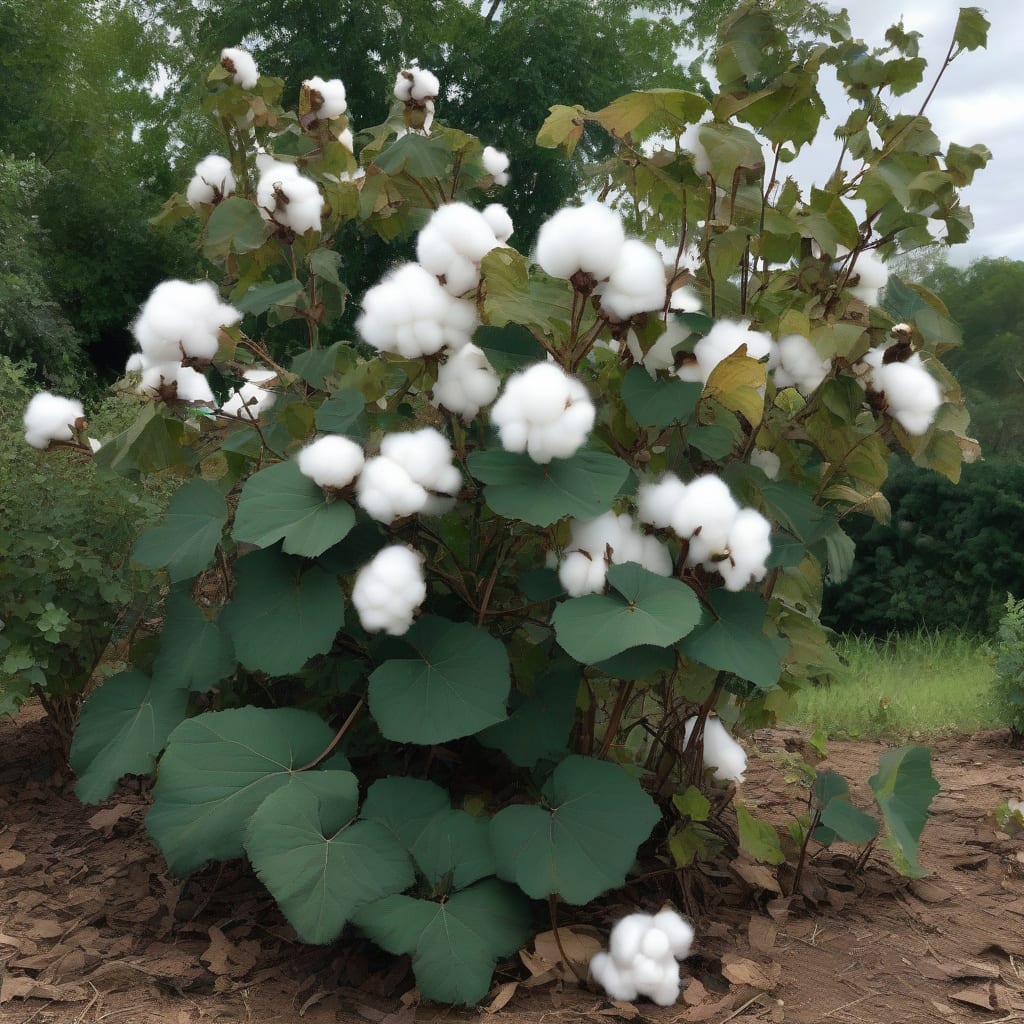
Cotton plants 🌿 can grow to surprising heights, typically ranging from 2 to 6 feet tall. Their growth is influenced by factors like soil quality, climate, and farming practices.
Understanding these factors is crucial for successful cultivation. I’ll explore how different conditions affect cotton plant height and provide tips on optimizing their growth for maximum yields.

3 ft

5 ft

6 ft

3-6 ft
Cotton plants can grow to varying heights depending on several factors. Understanding these factors is crucial for successful cultivation and optimal yields. The height of cotton plants is influenced by a combination of genetic and environmental factors 🌿.
The variety of cotton being grown plays a significant role in determining plant height. Different cotton varieties have been bred for specific characteristics, including height. Some varieties are naturally more compact, while others can grow quite tall. For example, upland cotton tends to be shorter than Pima cotton. Environmental conditions also play a crucial role in cotton plant growth.
The climate in which cotton is grown significantly affects plant height. Cotton requires warm temperatures and adequate moisture to grow well. Regions with long growing seasons
Soil quality is another critical factor affecting cotton plant height. Cotton grows best in well-drained soils with a pH between Sire 5.8 and 6.5. Soils that are too alkaline or too acidic can limit nutrient availability and affect plant growth. Additionally, the presence of adequate nutrients, particularly nitrogen, phosphorus, and potassium, is essential for healthy cotton plant development 🌱.
Farming practices also influence the height of cotton plants. Proper spacing between plants allows for better air circulation and sunlight penetration, which can promote healthier growth. Irrigation practices must be carefully managed to provide consistent moisture without overwatering, which can lead to root rot and stunted growth. Effective pest and disease management is also crucial to prevent damage that could limit plant height 🌿.
By understanding and managing these factors, farmers and gardeners can optimize the growth conditions for their cotton plants, potentially maximizing height and yield. Proper care and attention to the needs of cotton plants can lead to successful cultivation and a bountiful harvest 🌼.
Cotton plants are known for their relatively fast growth rate, especially during the peak growing season. Under optimal conditions, cotton plants can grow several inches in just a few weeks. This rapid growth is supported by warm temperatures, adequate moisture, and sufficient nutrients 🌻.
The height of cotton plants can vary significantly based on the variety and growing conditions. On average, cotton plants typically range from 2 to 6 feet tall. Some varieties, under ideal conditions, can grow even taller. Understanding the specific needs and characteristics of the cotton variety being grown is key to achieving optimal height and yield 🌺.
To maximize the height and productivity of cotton plants, it’s essential to provide them with the right growing conditions. This includes full sun, well-drained soil, and adequate water and nutrients. By optimizing these factors, growers can help their cotton plants reach their full potential height and produce a successful crop 🌞.
Cotton plants come in various types, each with its own growth characteristics. Understanding these differences is crucial for farmers and gardeners to optimize their cultivation practices. The height of cotton plants can vary significantly based on the variety 🌱.
The height of upland cotton typically ranges from 3 to 4 feet. This variety is widely cultivated due to its adaptability to various growing conditions. Upland cotton is known for its relatively compact growth habit, making it suitable for a range of agricultural practices 🌾.
Pima cotton, on the other hand, can grow taller, reaching heights of 4 to 6 feet. This variety requires a longer growing season and warmer temperatures to reach its full potential. Pima cotton is known for its extra-long staple fibers, which are highly valued for their quality and durability 🌟.
Specialty cotton varieties can exhibit a wide range of heights, typically between 2 to 5 feet. These varieties are often grown for specific characteristics, such as unique fiber properties or colorful cotton. The height of specialty cotton can vary significantly depending on the particular variety and growing conditions 🌼.
Understanding the typical height ranges for different cotton varieties is essential for planning and managing cotton cultivation effectively. By selecting the appropriate variety for specific growing conditions, farmers can optimize plant height and maximize yields 🌻.
Factors such as soil quality, climate, and farming practices also play a crucial role in determining the final height of cotton plants. Providing optimal growing conditions can help cotton plants reach their full height potential and produce a bountiful harvest 🌺.
To maximize the height and productivity of cotton plants, it’s essential to provide them with full sun, well-drained soil, and adequate water and nutrients. By optimizing these factors, growers can help their cotton plants reach their full potential height and produce a successful crop 🌞.
To optimize cotton plant growth and maximize yields, it’s essential to manage plant height effectively. Proper management techniques can help prevent excessive height, reduce lodging, and improve overall crop productivity 🌿.
Maintain adequate spacing between plants to promote healthy growth and prevent overcrowding. Typical spacing ranges from 6 to 12 inches between plants.
Provide balanced fertilization to support healthy growth without promoting excessive vegetative development. Focus on nitrogen management to avoid over-fertilization.
Implement efficient irrigation practices to maintain optimal soil moisture levels. Avoid both drought stress and waterlogging, which can negatively impact plant height and overall health.
By implementing these strategies, farmers and gardeners can effectively manage cotton plant height, leading to improved crop performance and higher yields 🌟.
Regular monitoring of plant growth and adjusting management practices accordingly is key to achieving optimal results. This proactive approach helps in maintaining the ideal plant height for the specific cotton variety and growing conditions 🌱.
Effective height management also contributes to better crop management during harvesting. Plants that are within the optimal height range are generally easier to manage during mechanical harvesting, potentially reducing losses and improving overall efficiency 🌾.
