
Beautiful Plants For Your Interior
Beautiful Plants For Your Interior
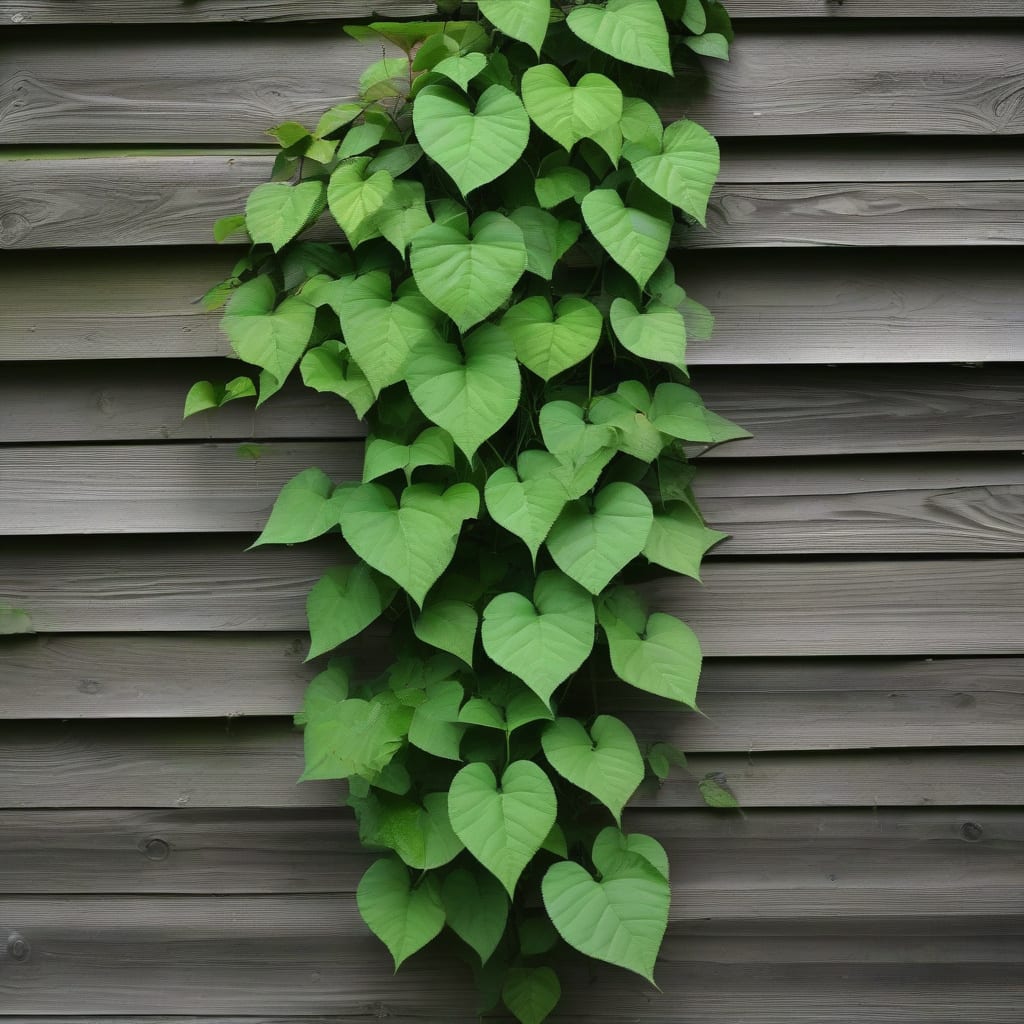
When dealing with ⚠️ Poison Ivy, understanding its growth patterns is crucial. This pesky vine can grow surprisingly tall, reaching heights of up to 8 feet in ideal conditions, making it a formidable presence in both wild landscapes and managed gardens.
Knowing how to identify and manage Poison Ivy is essential for gardeners in USDA zones 4-8. Let’s explore how to recognize and control this invasive vine.

Poison ivy is known for its ability to grow to surprising heights, making it a formidable presence in both wild landscapes and managed gardens. The maximum height of poison ivy is influenced by various factors, including environmental conditions and support structures.
In ideal conditions, poison ivy can grow up to 8 feet tall, making it a significant concern for gardeners and outdoor enthusiasts. The vine’s ability to climb and spread quickly allows it to reach impressive heights, especially when it has a suitable support structure to cling to.
The height of poison ivy is significantly influenced by the availability of support structures such as trees, walls, and fences. In the absence of these structures, poison ivy will grow along the ground, forming dense mats that can be difficult to eradicate.
Poison ivy’s growth habits make it a challenging plant to manage. Its ability to grow in a variety of environments and its tendency to spread quickly make it a significant concern for gardeners and outdoor enthusiasts.
To effectively manage poison ivy, it’s essential to understand its growth patterns and the factors that influence its height. By recognizing the characteristics of mature poison ivy plants and taking steps to prevent its spread, gardeners can reduce the risk of exposure to this pesky vine.
In addition to its maximum height, poison ivy’s growth rate is also an important consideration. The vine can grow 1-2 feet per year, making it a rapidly spreading invasive species.
Poison ivy’s ability to thrive in a variety of environments makes it a widespread concern. The vine can grow in partial shade and temperate climates, making it a common sight in many outdoor spaces.
Understanding the growth patterns of poison ivy is crucial for effective management. By recognizing the factors that influence its height and taking steps to prevent its spread, gardeners can reduce the risk of exposure to this invasive vine.
Effective management of poison ivy requires a comprehensive approach. This includes understanding its growth patterns, recognizing its characteristics, and taking steps to prevent its spread.
By taking a proactive approach to managing poison ivy, gardeners can reduce the risk of exposure and prevent the vine from becoming a significant problem. This includes using proper removal techniques and taking steps to prevent regrowth.
In conclusion, poison ivy is a significant concern for gardeners and outdoor enthusiasts due to its ability to grow to surprising heights and spread quickly. By understanding its growth patterns and taking steps to prevent its spread, gardeners can reduce the risk of exposure to this invasive vine.
When poison ivy grows tall, it becomes an even greater concern for outdoor enthusiasts and gardeners. The vine’s ability to reach heights of up to 8 feet makes it a formidable presence that requires careful identification and management.
Tall poison ivy can be particularly problematic because it often goes unnoticed until it’s too late. The vine’s tendency to blend in with surrounding vegetation makes it challenging to detect, especially when it’s growing in dense forests or along overgrown paths.
Tall poison ivy poses a significant risk due to its increased visibility and potential for exposure. Be cautious when approaching areas with dense vegetation or overgrown paths.
The characteristics of tall poison ivy include its ability to climb and spread quickly, making it a rapidly spreading invasive species. The vine’s compound leaves with three leaflets are a distinctive feature, and its greenish-white berries can be a giveaway in the fall.
Tall poison ivy can cause significant problems for gardeners and outdoor enthusiasts. The vine’s urushiol oil can cause severe skin irritation, making it essential to take precautions when handling or approaching the plant.
To effectively manage tall poison ivy, it’s essential to understand its growth patterns and characteristics. By recognizing the signs of poison ivy and taking steps to prevent its spread, gardeners can reduce the risk of exposure to this invasive vine 🌿.
In addition to its height, poison ivy’s growth rate is also an important consideration. The vine can grow 1-2 feet per year, making it a rapidly spreading invasive species that requires prompt attention.
By understanding the characteristics and risks associated with tall poison ivy, gardeners and outdoor enthusiasts can take steps to protect themselves and their surroundings from this pesky vine.
When dealing with tall poison ivy, it’s essential to take a comprehensive approach to management. This includes understanding the vine’s growth patterns, recognizing its characteristics, and taking steps to prevent its spread.
Effective removal of tall poison ivy requires careful planning and execution. The first step is to wear protective clothing, including long sleeves, gloves, and eye protection, to minimize exposure to the vine’s urushiol oil.
Cut the vine at the base using sharp pruning tools to prevent spreading the urushiol oil.
Carefully dig up the roots to prevent regrowth, taking care not to spread the urushiol oil.
Dispose of the vine and roots in a sealed bag to prevent further exposure.
Prevention is key to managing tall poison ivy. By understanding the vine’s growth patterns and taking steps to prevent its spread, gardeners can reduce the risk of exposure to this invasive vine.
Regularly monitoring for poison ivy and taking prompt action when it is detected can help prevent the vine from becoming a significant problem. This includes removing the vine and roots, as well as taking steps to prevent regrowth.
By taking a proactive approach to managing tall poison ivy, gardeners can reduce the risk of exposure and prevent the vine from becoming a significant problem. This includes using proper removal techniques and taking steps to prevent regrowth 🌿.
