
Beautiful Plants For Your Interior
Beautiful Plants For Your Interior
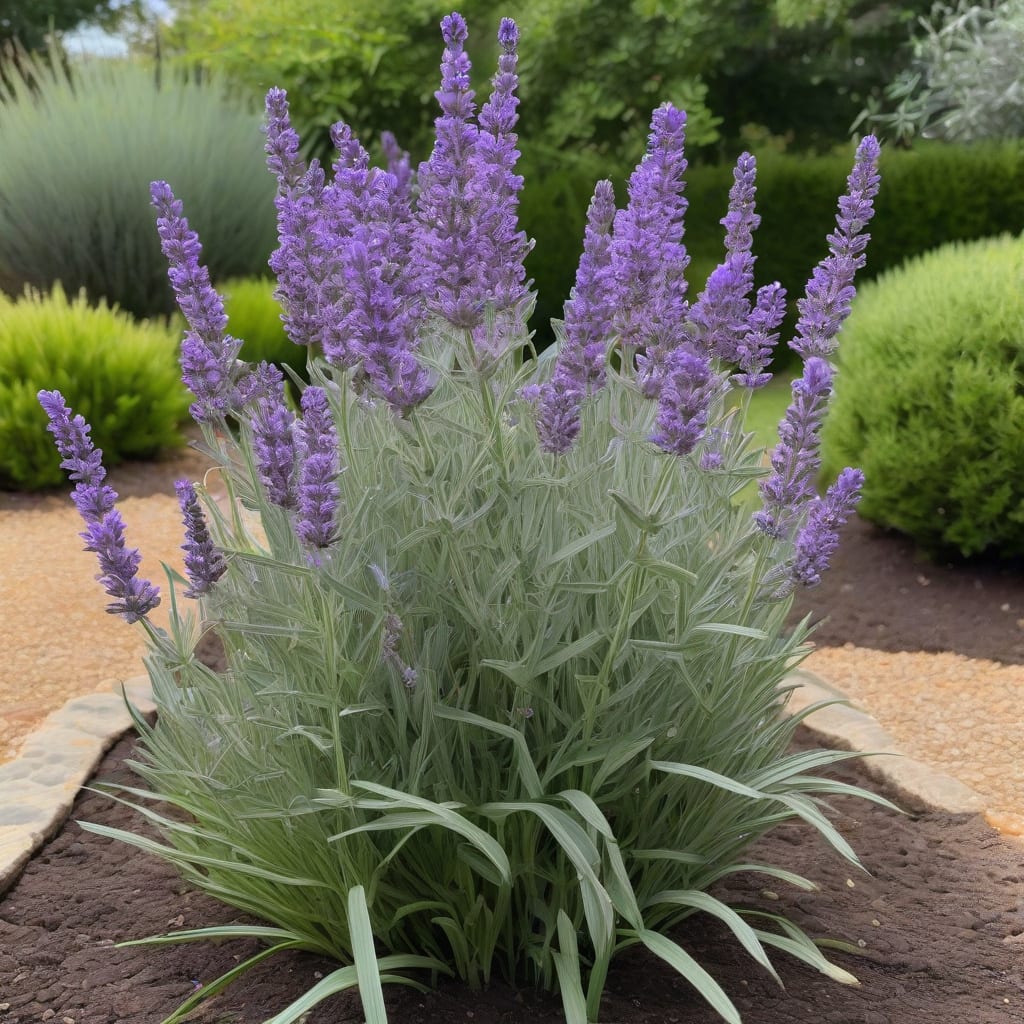
I’ve always been fascinated by Lavender 💜 plants – their beauty and fragrance make them a garden favorite. But have you ever wondered how tall they can actually grow? Understanding their growth patterns is key to planning your garden effectively.
Lavender plants typically grow between 2-3 feet tall, depending on factors like climate and soil quality. Let’s explore what influences their height and how you can manage their growth.

I’ve found that understanding the factors that influence lavender plant height is crucial for effective garden planning. The height of lavender plants can vary significantly based on several key factors.
The climate plays a significant role in determining lavender plant height. Lavender thrives in Mediterranean climates with warm summers and mild winters. In areas with cooler summers, lavender plants tend to be shorter, typically reaching heights of 1-2 feet. In contrast, regions with hotter summers can support taller plants, often growing up to 3 feet or more 🌞.
Soil quality is another critical factor affecting lavender height. Lavender plants prefer well-draining soil and can struggle in heavy clay or waterlogged conditions. Soil that drains well promotes healthy root development, which in turn supports better overall growth and taller plants 🌱.
The specific lavender variety also significantly influences plant height. For example, English lavender tends to be taller, often reaching heights of 2-3 feet, while some compact varieties may only grow to 1-2 feet. Understanding the specific needs and characteristics of your lavender variety is essential for managing its height effectively 💜.
In my experience, pruning practices also play a crucial role in controlling lavender plant height. Regular pruning after flowering helps keep plants compact and encourages the plants to maintain a desirable height of around 2-3 feet 🔄.
The time of year and growth stage also impact lavender height. Lavender plants typically experience their most significant growth during the spring and early summer. By understanding these factors, gardeners can better manage their lavender plants’ height and overall health 🌿.
Regional differences in climate and soil conditions can also affect lavender height. For instance, lavender grown in coastal areas may experience different growth patterns compared to those grown in inland regions. Being aware of these regional variations can help gardeners make informed decisions about their lavender care 🔍.
In summary, the height of lavender plants is influenced by a combination of factors including climate, soil quality, variety, and pruning practices. By understanding and managing these factors, gardeners can optimize their lavender plants’ growth and maintain a desirable height 💡.
To maximize the height potential of your lavender plants, ensure they are planted in well-draining soil and receive adequate sunlight. Regular pruning and appropriate care can also help maintain healthy plants at a desirable height 🌼.
Lavender comes in various types, each with its unique characteristics and growth patterns. Understanding the average height of different lavender varieties is essential for garden planning and achieving the desired landscape effect 🌿.
The height of lavender plants can vary significantly across different varieties. For instance, English Lavender is known for its relatively tall growth, typically reaching heights of 2-3 feet. In contrast, French Lavender tends to be more compact, usually growing to heights of 1-2 feet 🌸.
When selecting lavender varieties for your garden, consider not only their height but also their growth habits and environmental requirements. Some lavender varieties are more suited to specific climates or soil conditions, which can impact their overall height and health 🌟.
In my experience, English Lavender is a popular choice for many gardeners due to its robust growth and fragrant flowers. It typically reaches heights of 2-3 feet and has an upright growth habit 🌼.
French Lavender, on the other hand, is known for its compact growth, usually reaching heights of 1-2 feet. This variety is ideal for smaller gardens or containers where space is limited 🌱.
Spanish Lavender is another variety that has gained popularity for its unique pineapple-shaped flowers and bushy growth habit. It typically grows to heights of 2-3 feet and adds a distinctive touch to any garden 🌹.
By understanding the average height and growth habits of different lavender varieties, gardeners can make informed decisions about plant placement and spacing, ensuring a harmonious and thriving garden ecosystem 🌿.
To maximize the growth potential of your lavender plants, ensure they are provided with well-draining soil and adequate sunlight. Regular pruning and appropriate care can also help maintain healthy plants at a desirable height 💡.
In summary, the height of lavender plants varies across different varieties, ranging from compact types like French Lavender to taller varieties like English Lavender. By selecting the right variety for your garden and providing appropriate care, you can enjoy the beauty and fragrance of lavender plants 🌸.
Managing the height of lavender plants is crucial for maintaining their aesthetic appeal and overall health. I’ve found that with the right techniques, you can keep your lavender plants at a desirable height 🌿.
Prune lavender plants annually after flowering to maintain shape and promote new growth. Cut back about one-third of the plant’s height to encourage bushy growth 🔄.
Pruning is one of the most effective ways to manage lavender plant height. By pruning your lavender plants regularly, you can control their height and promote a fuller, more compact growth habit 🌸.
Soil quality also plays a significant role in managing lavender height. Lavender plants thrive in well-draining soil, so ensure your soil is not too rich or moist, as this can lead to leggy growth 🌱.
Positioning your lavender plants correctly is another key factor. Lavender requires full sun to grow well, so choose a location that receives at least 6 hours of direct sunlight daily ☀️.
In my experience, regular maintenance is essential for keeping lavender plants healthy and at a desirable height. This includes not only pruning but also ensuring good air circulation around the plants to prevent disease 🌟.
By following these tips, you can effectively manage the height of your lavender plants and enjoy their beauty and fragrance for years to come 💜.
