
Beautiful Plants For Your Interior
Beautiful Plants For Your Interior
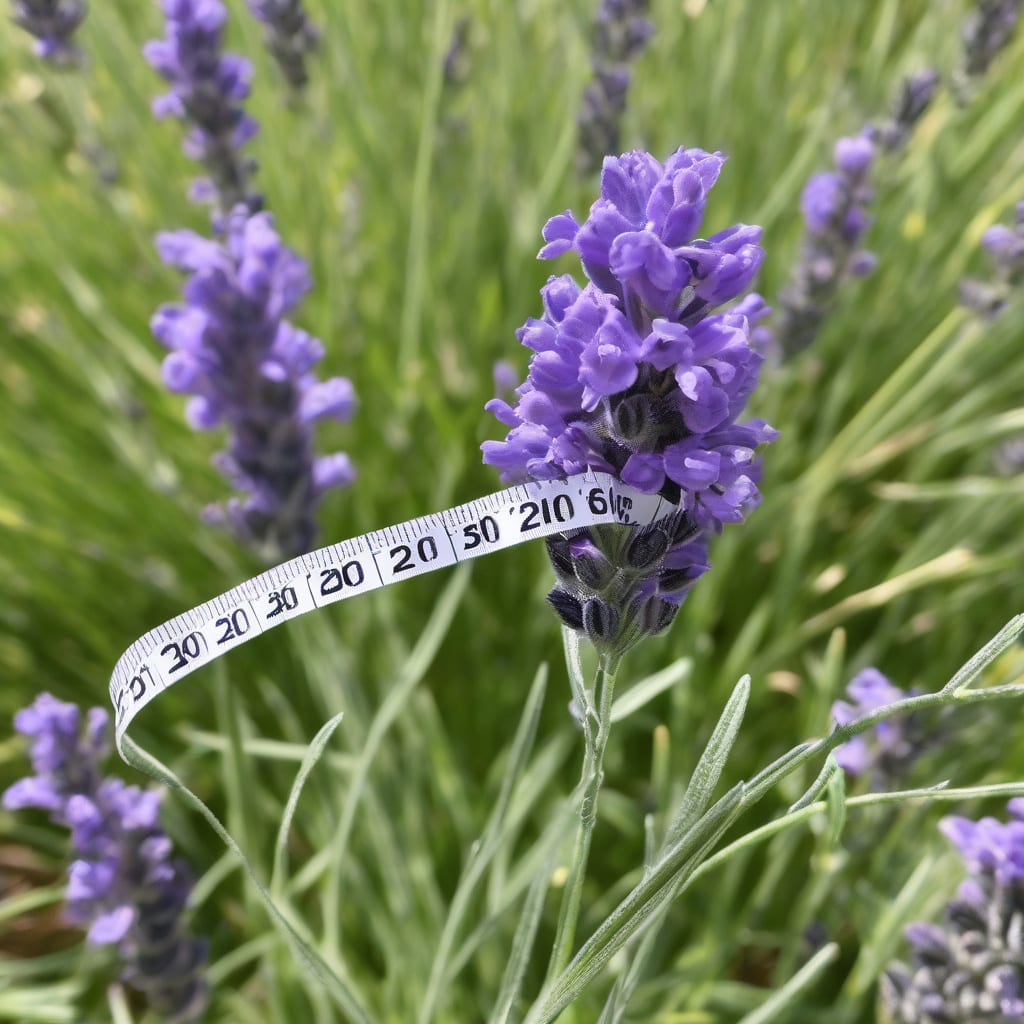
English lavender 💜 is a popular choice for gardeners seeking low-maintenance beauty, but understanding its growth habits is crucial for proper placement. In USDA Zone 6, it typically thrives in well-draining soil with full sun.
I’ll guide you through what to expect in terms of height and how to manage it for optimal garden design. Let’s explore the factors that influence English lavender’s growth.

1 ft

2 ft

3 ft

2-3 ft
English lavender is known for its compact growth habit, making it an excellent choice for various garden designs. The typical height range for English lavender plants is between 2 to 3 feet, which is roughly knee-high to waist-high. This height makes it suitable for borders, container gardens, and even as a low hedge.
To give you a better understanding of what to expect, here’s a breakdown of the growth pattern over the years. In its first year, English lavender usually grows to about 1 foot tall. By the second year, it reaches 2 feet, and by the third year, it can achieve its mature height of 2-3 feet 🌿.
The mature height of English lavender can vary slightly depending on the specific variety. However, most varieties fall within the 2-3 feet range. Factors such as soil quality, sunlight, and pruning practices can also influence the final height of the plant 🌻.
English lavender is a drought-tolerant plant that thrives in full sun and well-draining soil. It’s essential to ensure good air circulation around the plants to prevent diseases and promote healthy growth.
When planting English lavender, it’s crucial to consider its mature size to avoid overcrowding. A typical spacing of 12-18 inches between plants allows for proper air circulation and growth.
To manage the height of English lavender effectively, regular pruning is recommended. Pruning helps maintain the plant’s shape and encourages new growth. We’ll discuss pruning techniques in more detail later.
English lavender is not only valued for its height but also for its fragrant flowers and attractive foliage. It’s a versatile plant that can be used in various garden settings, from formal hedges to informal cottage gardens 💐.
The plant’s height can be influenced by several factors, including soil quality, sunlight exposure, watering practices, and pruning. Understanding these factors is key to managing the height of English lavender effectively.
By providing the right growing conditions and regular maintenance, you can enjoy a healthy and thriving English lavender plant that adds beauty and fragrance to your garden 🌼.
Regular maintenance, including pruning and watering, plays a significant role in maintaining the desired height and overall health of English lavender plants. Proper care ensures that the plants remain vigorous and continue to bloom well.
Understanding the factors that influence English lavender’s height is crucial for maintaining its desired size and promoting healthy growth. Several environmental factors and care practices play a significant role in determining the plant’s height 🌿.
Soil quality is one of the primary factors affecting English lavender’s growth. The plant thrives in well-draining soil with a slightly alkaline pH. Poor soil quality can lead to stunted growth or weak stems.
To promote healthy growth, ensure your English lavender receives full sun and is planted in well-draining soil. Regular pruning also helps maintain the desired height 🌻.
Sunlight exposure significantly impacts English lavender’s height. The plant requires full sun to grow well, meaning it needs at least 6 hours of direct sunlight daily. Insufficient sunlight can result in leggy growth.
Watering practices also affect the plant’s height. English lavender is drought-tolerant but consistent moisture promotes healthier growth. Overwatering can lead to root rot and negatively impact the plant’s height 💧.
Pruning practices are essential for managing English lavender’s height. Regular pruning encourages bushy growth and prevents the plant from becoming leggy. Prune your English lavender in early spring or after flowering to maintain its shape and promote new growth 🌼.
By understanding and managing these factors, you can effectively control the height of your English lavender plants and ensure they remain healthy and vibrant.
English lavender’s height can be influenced by a combination of these factors. For instance, a plant receiving full sun and regular pruning will likely grow more compactly than one that is not pruned regularly or receives insufficient sunlight.
To achieve the desired height, it’s essential to provide optimal growing conditions and follow proper care practices. This includes planting in well-draining soil, ensuring adequate sunlight, and pruning regularly.
By following these guidelines, you can enjoy a thriving English lavender plant that adds beauty and fragrance to your garden 🌺.
To effectively manage English lavender height for optimal garden design, it’s essential to understand the importance of pruning techniques, spacing considerations, and companion planting strategies. By implementing these practices, you can create a beautiful and functional garden layout 🌿.
By incorporating these strategies into your garden design, you can enjoy a thriving and visually appealing English lavender display. Regular maintenance, including pruning and watering, will also help maintain the desired height and overall health of the plants 🌼.
English lavender is a versatile plant that can be used in various garden settings. Its compact growth habit and fragrant flowers make it an excellent choice for borders, container gardens, and low hedges 🌺.
When designing your garden, consider the mature size of English lavender and leave enough space for proper air circulation. This will help prevent diseases and promote healthy growth 🌱.
