
Beautiful Plants For Your Interior
Beautiful Plants For Your Interior
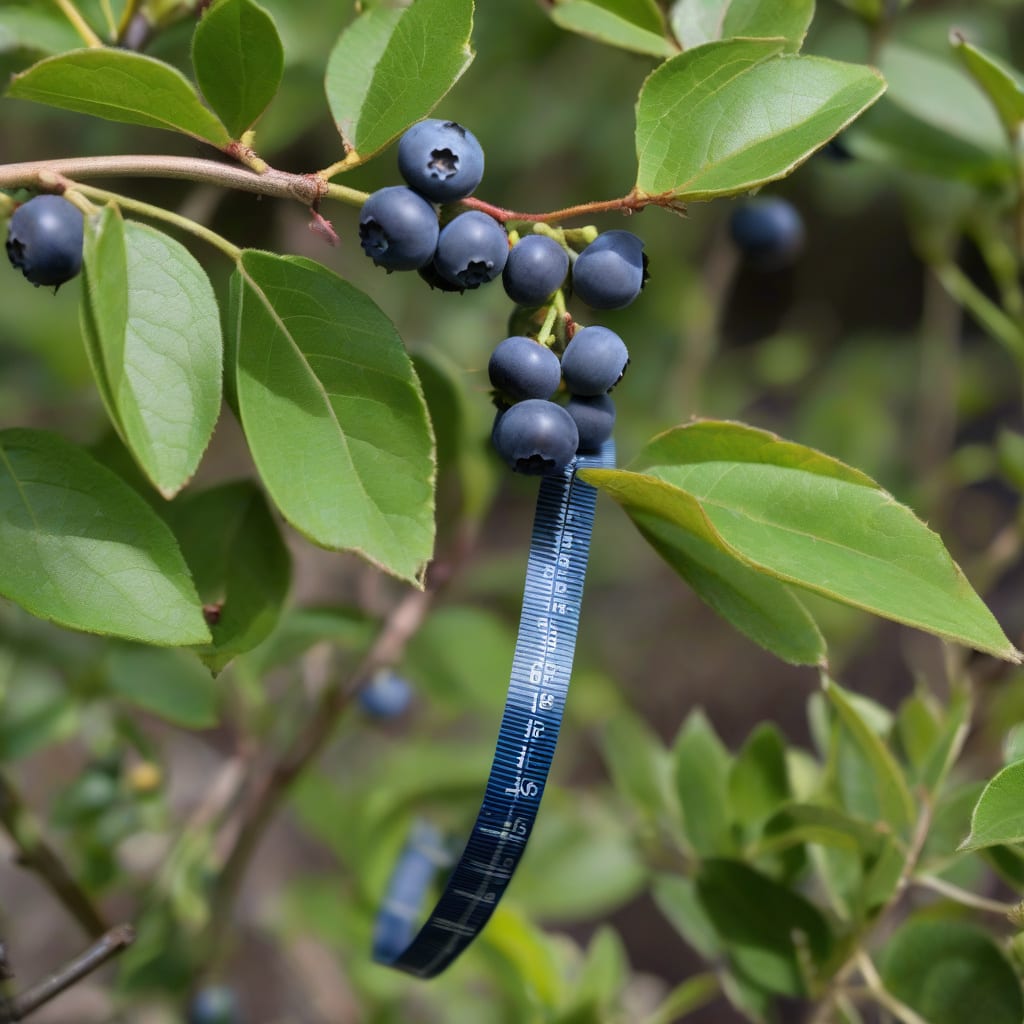
When growing Highbush Blueberries 🫐, understanding their potential height is crucial for proper garden planning. These popular shrubs can grow quite tall, but their exact height depends on several factors.
I’ll walk you through what affects their growth and what you can expect in terms of mature size, helping you make informed decisions for your garden in USDA zones 4-7.


Highbush blueberries are known for their impressive growth potential, but understanding their typical height is crucial for garden planning. These shrubs can grow between 6 to 12 feet tall when mature, making them a significant presence in any garden.
The height of highbush blueberries varies based on factors like variety, growing conditions, and pruning practices. Proper care can help achieve optimal growth while maintaining a manageable size 🌿.
The growth pattern of highbush blueberries is influenced by their variety, with dwarf, semi-dwarf, and standard types offering different height ranges. Dwarf varieties typically reach 3-6 feet, while standard varieties can grow up to 9-12 feet tall.
Growing conditions also play a significant role in determining the height of highbush blueberries. Factors such as soil quality, sunlight exposure, and watering practices can all impact the overall growth and health of the plant.
Highbush blueberries require acidic soil with good drainage to thrive. The ideal soil pH is between 4.0 and 5.5, and the soil should be rich in organic matter. Regular watering is essential, especially during dry spells, to maintain consistent moisture levels 🌟.
In addition to soil quality, sunlight exposure is critical for the healthy growth of highbush blueberries. These plants prefer full sun to partial shade, with a minimum of 6 hours of direct sunlight per day.
Pruning practices are also vital for controlling the height of highbush blueberries and promoting healthy growth. Regular pruning helps maintain the desired size, encourages new growth, and improves overall plant health.
By understanding these factors and providing the right conditions, gardeners can successfully grow highbush blueberries that reach their full potential height.
It’s essential to monitor the plant’s growth and adjust care practices accordingly to ensure optimal development and fruit production.
Highbush blueberries are a rewarding addition to any garden, offering not only delicious fruit but also beautiful foliage and vibrant fall colors.
With proper care and attention, these shrubs can become a stunning focal point in your garden, providing years of enjoyment and bountiful harvests.
When growing highbush blueberries, several factors influence their height. The variety of blueberry is a primary consideration, as different types have distinct growth habits. Understanding these factors helps gardeners make informed decisions about plant care 🫐.
Soil quality plays a crucial role in determining blueberry height. Highbush blueberries require acidic soil with a pH between 4.0 and 5.5. The soil should also be rich in organic matter and have good drainage to support healthy root development.
For optimal height, maintain consistent moisture and ensure the soil remains acidic. Regular mulching helps retain moisture and regulate soil temperature 🌿.
Sunlight exposure is another critical factor affecting blueberry height. Highbush blueberries prefer full sun to partial shade, requiring at least 6 hours of direct sunlight daily for optimal growth.
Watering practices significantly impact blueberry height. Consistent moisture is essential, especially during dry spells. Watering deeply once or twice a week is more effective than frequent shallow watering 💧.
Fertilization also plays a role in blueberry height. Using an acidic fertilizer specifically formulated for blueberries helps maintain the optimal soil pH and provides necessary nutrients for healthy growth.
By understanding and managing these factors, gardeners can create optimal conditions for their highbush blueberries to reach their full height potential.
Regular monitoring of the plants’ response to these conditions allows for adjustments to be made as needed, ensuring the best possible growth and fruit production 📈.
With proper care and attention to these factors, highbush blueberries can thrive and become a productive and attractive addition to any garden.
The combination of appropriate variety selection, soil management, sunlight exposure, watering practices, and fertilization will result in healthy, vigorous plants that achieve their maximum height potential 🌟.
Pruning is a crucial technique for maintaining the desired height of highbush blueberries while promoting healthy growth and maximizing fruit production. Proper pruning practices help control the plant’s size and encourage new growth 🌱.
Start by removing any dead, diseased, or damaged branches to prevent disease spread and encourage healthy growth.
Thin out the center of the bush to improve air circulation and sunlight penetration, which helps in fruit production and overall health.
Reduce the height of overly tall branches to maintain the desired size while encouraging new growth from the base.
Pruning should be done annually during the dormant season, typically in late winter or early spring. This timing helps minimize stress on the plant and allows for quick recovery 🌿.
By following these pruning techniques, gardeners can effectively control the height of their highbush blueberries, ensuring they remain healthy and productive for years to come.
Regular pruning not only maintains the desired height but also improves the overall structure and fruiting potential of the plant.
For best results, use sharp, clean pruning tools to make precise cuts and minimize damage to the plant.
