
Beautiful Plants For Your Interior
Beautiful Plants For Your Interior
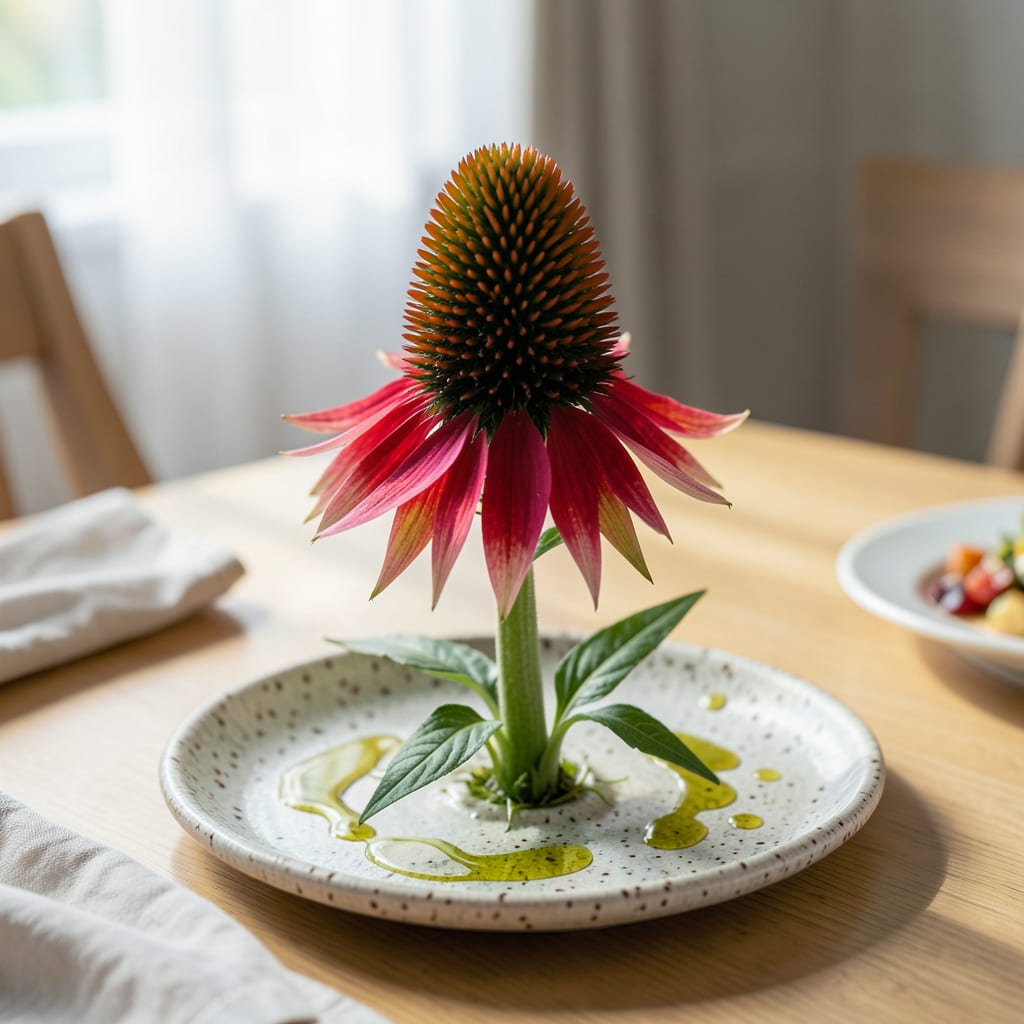
When I think about adding beauty to my garden, I immediately picture vibrant 💐 Coneflowers standing tall. But have you ever wondered just how tall these stunning flowers can grow? Understanding their growth patterns is key to creating a thriving landscape.
Coneflowers can reach impressive heights, typically growing between 2-5 feet tall, making them a great addition to any garden in USDA Zone 6. Let’s explore what influences their height and how to make the most of these gorgeous blooms.

Coneflowers are known for their impressive height, which can vary significantly depending on the specific variety. Understanding the typical heights of different coneflower varieties is essential for garden planning and design.
The height of coneflowers can range from 2 to 5 feet, with some varieties growing taller than others. Let’s explore the different types of coneflowers and their expected mature heights.
The standard coneflower typically grows to be around 2-3 feet tall, making it a great choice for most gardens. The tall coneflower variety can reach heights of 3-5 feet, adding a dramatic touch to any landscape.
For smaller gardens or containers, compact coneflower varieties are available, growing to be around 1-2 feet tall. These compact varieties are perfect for adding a pop of color to smaller spaces 🌼.
Coneflowers are generally considered to be medium-sized plants, making them easy to incorporate into various garden designs. Their height can be influenced by factors such as soil quality, sunlight, and maintenance practices.
In ideal conditions, coneflowers can grow quite tall, providing a striking backdrop for other plants in the garden. Their height also makes them a great choice for adding height and texture to borders, cottage gardens, and wildflower meadows 🌿.
When selecting coneflower varieties, consider the mature height to ensure proper spacing and placement in your garden. This will help create a balanced and visually appealing landscape.
By understanding the typical heights of different coneflower varieties, you can make informed decisions when planning your garden, ensuring that your coneflowers thrive and reach their full potential.
Coneflowers are a versatile and beautiful addition to any garden, offering a range of heights to suit different design needs. Whether you prefer a compact variety or a taller type, there’s a coneflower to suit your garden style.
With their impressive height and vibrant blooms, coneflowers are sure to add beauty and interest to your garden. By choosing the right variety for your space, you can enjoy these stunning flowers for years to come 🌼.
Coneflower height can vary significantly based on several key factors. Understanding these elements helps gardeners create optimal growing conditions for their plants.
The soil quality plays a crucial role in determining coneflower height. Rich, well-draining soil with proper nutrient balance supports healthier and taller plants. In my experience, coneflowers grown in amended soil with organic matter tend to reach their maximum potential height 🌿.
Soil quality, sunlight exposure, watering practices, and maintenance routines all impact coneflower growth height.
Sunlight exposure is another critical factor influencing coneflower height. These plants thrive in full sun conditions, typically requiring at least 6 hours of direct sunlight daily. Insufficient light can result in shorter plants with weaker stems.
Watering practices also affect coneflower height. Consistent moisture during the growing season promotes healthy growth, while drought stress can limit plant height. However, overwatering can be equally detrimental, potentially leading to root rot and stunted growth.
Fertilization can influence coneflower height, although these plants generally don’t require heavy feeding. A balanced fertilizer applied during the growing season can support optimal growth without promoting excessive foliage at the expense of blooms.
The spacing between plants is another important consideration. Proper spacing allows for good air circulation, reducing the risk of disease and promoting healthier growth. Crowded plants may compete for resources, potentially resulting in shorter overall height 🌼.
By understanding and managing these factors, gardeners can create ideal conditions for their coneflowers to reach their full height potential while maintaining overall plant health.
Coneflowers are generally low-maintenance plants, but they still benefit from regular maintenance practices like deadheading and occasional division. These practices can help maintain plant vigor and promote consistent height year after year.
Regular monitoring of growing conditions and adjusting care practices accordingly helps ensure that coneflowers achieve their maximum height potential while remaining healthy and vigorous.
Managing coneflower height is crucial for creating a balanced and visually appealing garden landscape. I find that with proper care, coneflowers can thrive and reach their full potential height 🌼.
One effective way to manage coneflower height is through pruning. By cutting back the stems in early spring, you can encourage bushier growth and potentially reduce the overall height of the plants. This technique also helps promote more blooms and prevents the plants from becoming too leggy 🔥.
Prune coneflowers in early spring to encourage bushier growth and more blooms.
Staking is another technique to consider when managing coneflower height. Taller varieties may require support to prevent them from toppling over in the wind. Using stakes or plant supports can help keep the plants upright and maintain their desired height 🌿.
Companion planting can also play a role in managing coneflower height. By planting coneflowers alongside other perennials of similar height, you can create a cohesive and balanced garden design. This approach also helps to distract from any potential height variations among the coneflowers 🌻.
When selecting coneflower varieties, consider the mature height to ensure proper spacing and placement in your garden. This will help create a balanced and visually appealing landscape 🌼.
By implementing these strategies, you can effectively manage coneflower height and create a beautiful, thriving garden that showcases these stunning flowers.
