
Beautiful Plants For Your Interior
Beautiful Plants For Your Interior
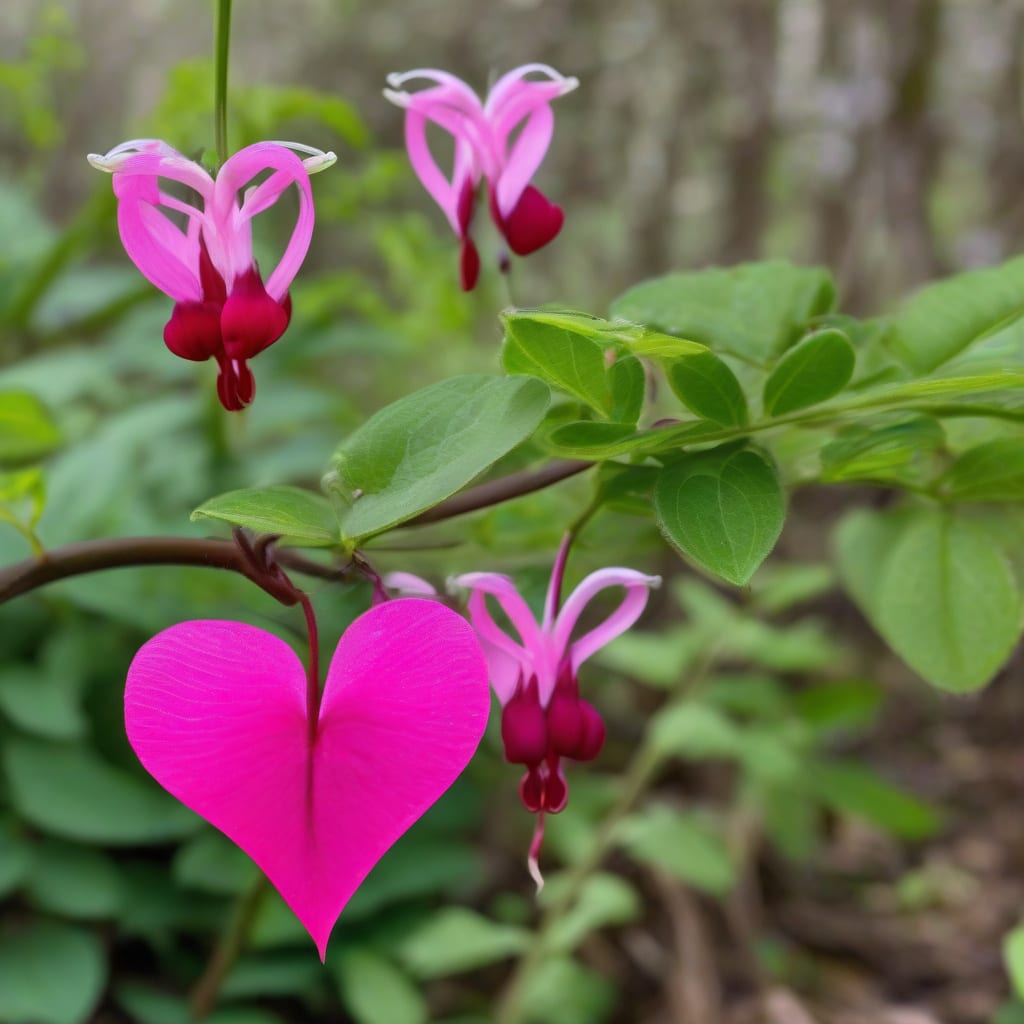
I’ve always been fascinated by the delicate beauty of Bleeding Hearts 💔, and understanding their growth patterns is key to showcasing their charm in your garden. Typically, these lovely plants grow between 1-3 feet tall, making them perfect for adding subtle elegance to shaded areas.
Growing Bleeding Hearts in USDA Zone 6 means you’ll be enjoying their heart-shaped flowers in late spring to early summer. With proper care, these plants will thrive and become a beautiful addition to your garden landscape.


I’ve found that several key factors influence how tall Bleeding Hearts will grow in your garden. These include soil quality, sunlight exposure, and watering practices. Understanding these elements is crucial for optimizing plant height.
The height of Bleeding Heart plants can vary significantly based on environmental conditions. For instance, rich, well-draining soil can promote healthier growth, while partial shade is essential for maintaining the plant’s delicate foliage and flowers 🌿.
Soil quality plays a significant role in determining Bleeding Heart height. These plants thrive in rich, organic soil that retains moisture but drains well. Amending your soil with compost can enhance its fertility and structure, supporting healthier plant growth.
Sunlight exposure is another critical factor. Bleeding Hearts prefer partial to full shade, as excessive direct sunlight can cause stress and limit their growth. In warmer climates, providing some afternoon shade can be particularly beneficial 🌻.
Proper watering practices are essential for achieving optimal Bleeding Heart height. These plants prefer consistent moisture, especially during their active growing season. However, it’s crucial to avoid waterlogging, which can lead to root rot and negatively impact plant height.
By carefully managing these factors, you can create an ideal environment for your Bleeding Hearts to reach their full height potential. In the next section, we’ll explore the average height ranges for different Bleeding Heart varieties.
The combination of soil quality, sunlight, and watering creates the perfect conditions for Bleeding Hearts to flourish. Monitoring and adjusting these factors can help you achieve the desired height for your plants.
Maintaining rich soil and adequate moisture will support the overall health and height of your Bleeding Hearts. These conditions are key to enjoying their beautiful, heart-shaped flowers.
To summarize, the height of Bleeding Heart plants is influenced by a combination of environmental and care factors. By understanding and managing these factors, you can optimize the growth and height of your Bleeding Hearts.
Effective garden planning involves considering the specific needs of Bleeding Hearts, including their preferred soil conditions and light exposure. This knowledge will help you create a thriving garden environment 🌼.
By focusing on these critical factors, you can ensure that your Bleeding Hearts reach their full potential and add beauty to your garden for years to come.
Bleeding Heart plants come in various cultivars, each with its unique characteristics and growth habits. Understanding the average height range for different varieties is essential for planning your garden layout effectively.
The height of Bleeding Hearts can vary significantly depending on the specific cultivar. Some popular varieties include ‘Valentine’, ‘Luxuriant’, and ‘Burning Hearts’, each with distinct height ranges and growth patterns.
The ‘Valentine’ variety is known for its deep red, heart-shaped flowers and typically grows to be around 24-30 inches tall. This makes it an excellent choice for adding a pop of color to your garden while maintaining a moderate height 🌹.
‘Luxuriant’ is another popular variety, featuring rosy-red, dangling flowers. It tends to grow slightly taller than ‘Valentine’, reaching heights of 24-36 inches. This variety is ideal for gardeners looking for a slightly taller Bleeding Heart plant 🌺.
‘Burning Hearts’ is a more compact variety, with deep red flowers that have white tips. It generally grows to be around 15-24 inches tall, making it perfect for gardeners who prefer a more diminutive Bleeding Heart plant 💕.
When selecting a Bleeding Heart variety, consider the mature height of the plant to ensure it fits well within your garden design. Proper spacing and placement can help showcase the unique characteristics of each variety.
By understanding the average height ranges for different Bleeding Heart varieties, you can make informed decisions when planning your garden. This knowledge will help you create a beautiful and balanced garden landscape 🌿.
I’ve found that managing the height of Bleeding Hearts in your garden involves a combination of proper care techniques and thoughtful garden design. By implementing these strategies, you can optimize the growth and appearance of your Bleeding Heart plants.
After the flowering period, you can cut back the foliage to encourage new growth and maintain a neat appearance.
To manage the height of your Bleeding Hearts effectively, consider implementing pruning techniques. Pruning after the flowering period can help maintain the plant’s appearance and encourage new growth 🌱.
Supporting taller varieties is another important aspect of managing Bleeding Heart height. Using stakes or cages can help keep the plants upright and prevent damage from wind or rain 🌿.
Companion planting can also play a role in managing Bleeding Heart height. Pairing them with plants of similar height or slightly taller can create a balanced garden design and showcase their beauty 🌼.
By combining these strategies, you can effectively manage the height of your Bleeding Hearts and create a beautiful, thriving garden environment 🌻.
