
Beautiful Plants For Your Interior
Beautiful Plants For Your Interior
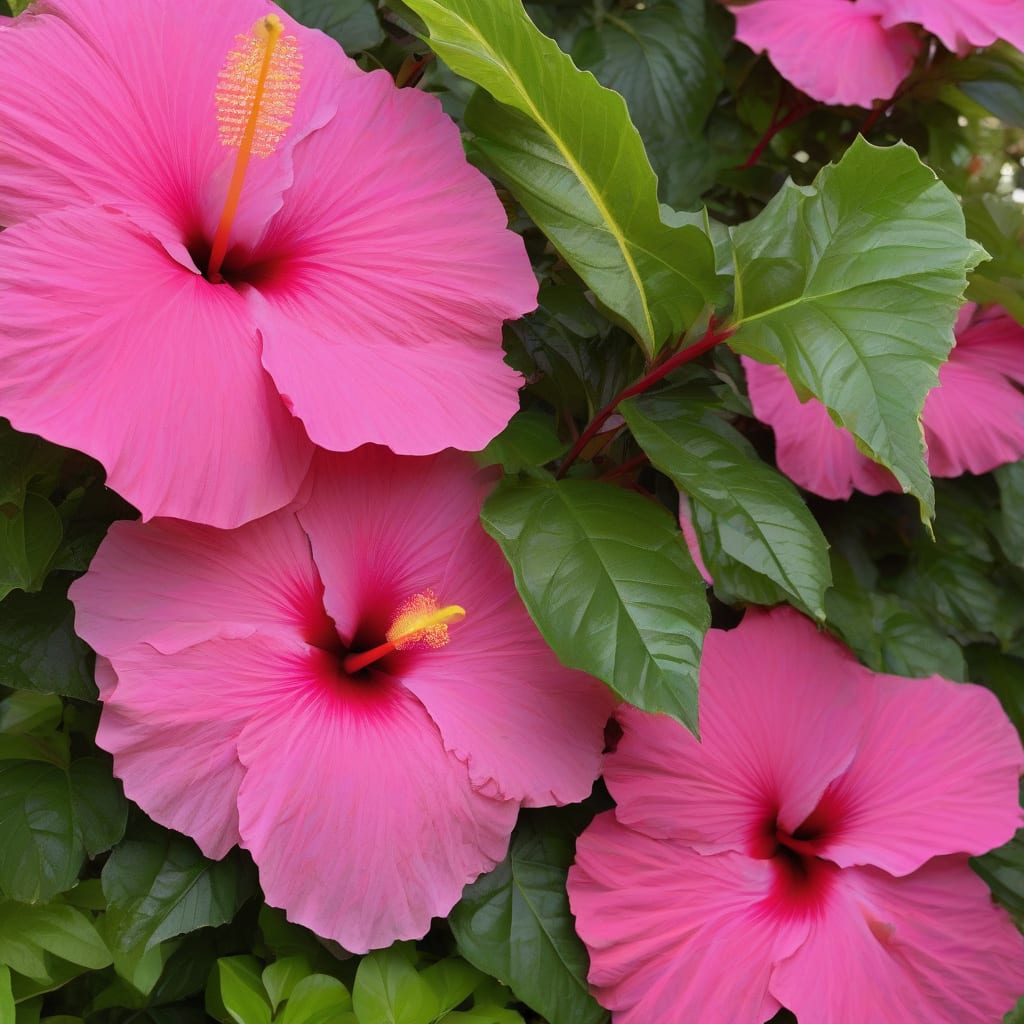
When I first started growing 🌺 Hibiscus plants, I wondered just how tall they could get. The answer varies depending on the variety and growing conditions. In USDA Zone 6, these beautiful plants can thrive with proper care.
Understanding their growth potential is key to choosing the right location and providing the right care. Let’s explore what affects their height and how to manage it effectively.

2 ft

4 ft

6 ft

8-12 ft
When growing hibiscus plants, understanding the factors that influence their height is crucial for optimal placement and care. The height of these beautiful plants can vary significantly based on several key elements.
The variety of hibiscus is a primary factor in determining its potential height. Different types of hibiscus plants have distinct growth habits and maximum heights. For example, dwarf varieties typically remain smaller, while tropical hibiscus can grow much taller 🌺.
The climate in which hibiscus plants are grown significantly affects their height. Warmer temperatures and longer growing seasons typically allow these plants to reach their full potential height. In contrast, cooler climates may limit their growth.
Soil quality is another critical factor. Hibiscus plants thrive in well-draining, soil rich in organic matter. Proper soil conditions support healthy root development, which in turn can affect the overall height of the plant.
Care practices, including regular pruning and fertilization, play a significant role in managing the height of hibiscus plants. Pruning helps maintain shape and encourages bushier growth, while fertilization provides essential nutrients for optimal development.
Understanding these factors is essential for gardeners who want to maximize the growth potential of their hibiscus plants or maintain them at a specific size. By considering the variety, climate, soil quality, and care practices, gardeners can better manage the height of their hibiscus plants.
For example, in USDA Zone 6, gardeners can still grow tropical hibiscus successfully with proper protection during winter months. This involves mulching heavily and protecting the plants from frost.
By carefully managing these factors, gardeners can enjoy their hibiscus plants at the desired height, whether they’re growing them in containers or in the ground.
The height of hibiscus plants can also be influenced by pest management and disease prevention. Keeping the plants healthy through proper care can prevent issues that might stunt their growth.
In summary, the height of hibiscus plants is determined by a combination of factors including variety, climate, soil quality, and care practices. By understanding and managing these factors, gardeners can optimize the growth and health of their hibiscus plants.
For more specific guidance on growing hibiscus plants in your area, it’s always a good idea to consult with local gardening experts or check the specific needs of your hibiscus variety.
By following these guidelines and understanding the factors that affect hibiscus plant height, gardeners can enjoy these beautiful plants to their full potential.
Understanding the typical height ranges for different types of hibiscus plants is essential for garden planning. Various hibiscus varieties have distinct growth patterns and maximum heights 🌺.
The tropical hibiscus variety is known for its vigorous growth and can reach heights of 8-15 feet under optimal conditions. These plants thrive in warmer climates and require proper care to achieve their full height potential.
Hardy hibiscus plants, on the other hand, tend to be more compact, typically growing between 3-7 feet tall. Their height is influenced by factors such as soil quality and climate conditions.
Dwarf hibiscus varieties are bred for their compact size, usually reaching heights of 2-4 feet. These plants are ideal for smaller gardens or container gardening.
When planning your garden, it’s crucial to consider the mature size of your hibiscus plants to ensure they have enough space to grow. Proper spacing not only enhances the aesthetic appeal of your garden but also promotes healthy growth by allowing adequate air circulation and sunlight penetration.
For gardeners looking to create a lush, tropical landscape, understanding the growth patterns of different hibiscus types is invaluable. By selecting the right variety for your space and providing appropriate care, you can enjoy these beautiful plants to their full potential.
Regardless of the variety, all hibiscus plants benefit from regular watering and fertilization. Proper care practices can significantly impact their height and overall health.
By understanding the typical height ranges for different hibiscus types, gardeners can make informed decisions about plant placement and care strategies.
For more detailed information on caring for specific hibiscus varieties, consulting with local gardening experts or referring to variety-specific guides can provide additional insights tailored to your region and climate.
Managing the size of hibiscus plants is crucial for maintaining their health and aesthetic appeal. Proper care techniques can help control their height and promote bushier growth 🌱.
Regular pruning helps maintain shape and encourages bushier growth. Prune back about one-third of the plant’s height in early spring to promote new growth.
Pruning techniques play a significant role in managing hibiscus plant size. By pruning regularly, you can encourage bushier growth and prevent the plant from becoming leggy. Prune back the stems to the desired height, and remove any dead or damaged branches to maintain plant health.
Container size is another important factor in controlling hibiscus plant size. Using a larger container can allow the roots to grow more, potentially leading to a larger plant. Conversely, a smaller container can help keep the plant more compact.
Growth management strategies also include fertilization and watering practices. Balanced fertilization supports healthy growth, while consistent watering ensures the plant remains vigorous without becoming too leggy.
By implementing these strategies, gardeners can effectively manage the size of their hibiscus plants, ensuring they remain healthy and visually appealing 🌿.
