
Beautiful Plants For Your Interior
Beautiful Plants For Your Interior
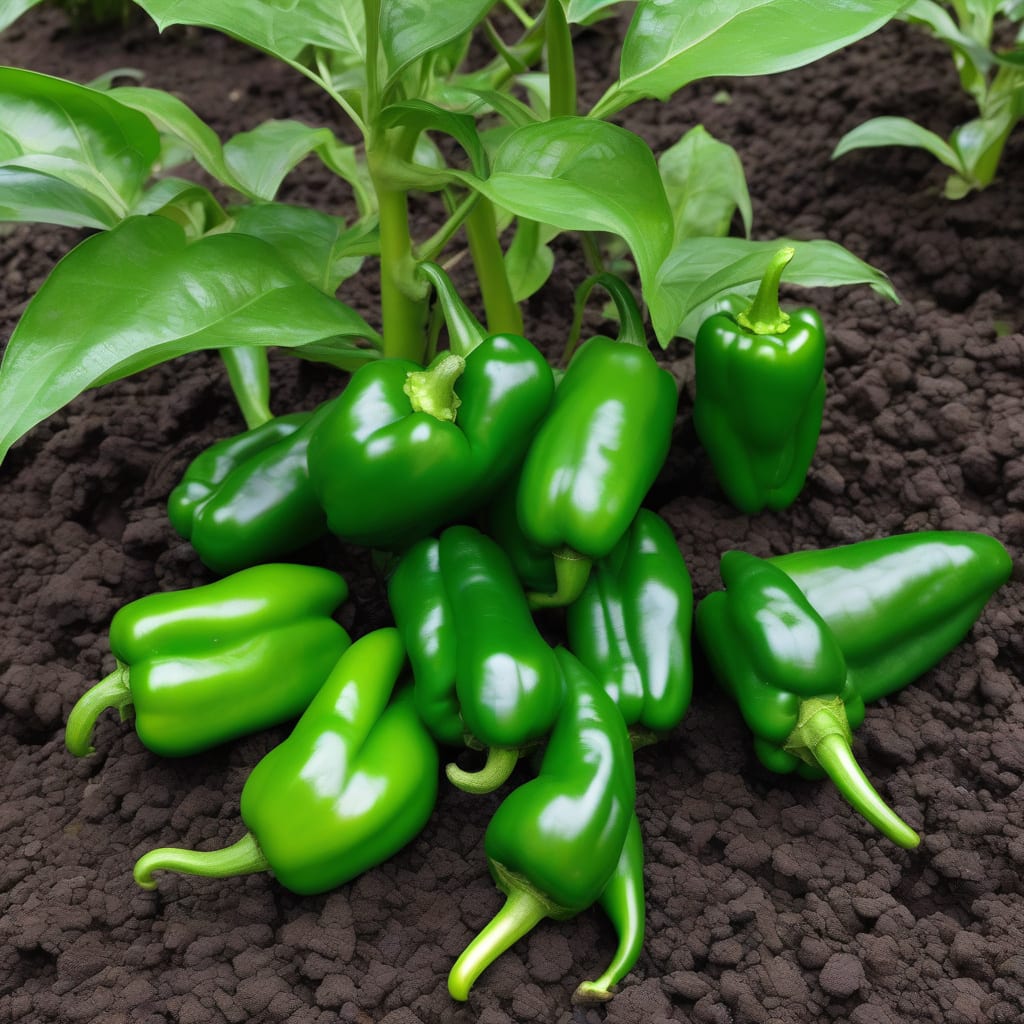
As I tend to my garden, I often wonder about the growth potential of my Green Pepper 🌶️ plants. Understanding how tall they can grow is crucial for maximizing my harvest.
Typically, Green Pepper plants can reach heights of 2-4 feet, depending on factors like variety and growing conditions. Let’s explore what influences their growth and how to support them for optimal yields.

2-3 ft

3-4 ft

2-4 ft

2-4 ft
Green pepper plants are a popular choice for gardeners due to their relatively compact size and high yield potential. Understanding how tall these plants can grow is crucial for planning your garden layout and providing the necessary support. Typically, Green Pepper plants can reach heights of 2-4 feet, depending on factors like variety and growing conditions.
The height of Green Pepper plants can vary significantly based on the specific variety. Some compact or dwarf varieties are bred to remain smaller, typically growing to 1-2 feet in height, making them ideal for container gardening or small spaces. In contrast, larger or indeterminate varieties can grow taller, sometimes reaching heights of up to 3-4 feet or more under optimal conditions.
When planning your garden, it’s essential to consider the mature size of your Green Pepper plants. Providing adequate space between plants can prevent overcrowding. and promote healthy growth. Understanding these factors can help you maximize your Green Pepper harvest. 🥒
Green Pepper plants are generally considered to be of medium size, making them suitable for a variety of garden setups. Whether you’re growing them in containers or directly in the ground,using raised beds, understanding their growth habits is key to providing the best care.
To support the optimal growth of Green Pepper plants, it’s crucial to ensure they receive full sun and are planted in well-draining soil. Regular watering and fertilization practices also play a significant role in determining the final height and productivity of the plants.
In addition to their height, the spread of Green Pepper plants should also be considered when planning your garden. These plants can spread out, especially if they are not supported or pruned regularly. Providing the necessary support can help manage their spread and encourage a more upright growth habit.
Overall, Green Pepper plants are a versatile and productive addition to any garden. Their ability to grow to varying heights based on care and conditions makes them adaptable to different gardening styles and spaces. Whether you’re a seasoned gardener or just starting out, understanding the growth patterns of Green Pepper plants can help you achieve a bountiful harvest. 🌟
By considering factors such as variety, growing conditions, and support systems, you can optimize the growth of your Green Pepper plants. This knowledge will enable you to make informed decisions about plant care, ultimately leading to a more successful and productive gardening experience. With proper care, Green Pepper plants can thrive and provide a generous yield throughout the growing season.
In conclusion, Green Pepper plants are capable of growing to impressive heights when given the right conditions. By understanding and catering to their growth needs, you can enjoy a healthy and productive harvest. Whether you’re growing them for personal consumption or to share with others, the rewards of cultivating Green Pepper plants are well worth the effort. 🌶️
Managing the height of Green Pepper plants is crucial for maximizing yield and ensuring healthy growth. One effective method is through pruning techniques, which can help control plant height and promote bushier growth. By removing select leaves and branches, you can direct the plant’s energy towards fruit production rather than excessive vegetative growth 🌱.
Another important aspect is providing adequate support systems. Using stakes or cages can help manage plant height and encourage upright growth. This support is particularly important for indeterminate varieties that tend to grow taller. Proper support can also improve air circulation around the plants, reducing the risk of disease 🔍.
Provide support early in the growing season to help plants grow upright.
Regularly prune your plants to control height and encourage fruiting.
Continuously monitor your plants and adjust your support and pruning strategies as needed.
In addition to pruning and support, proper spacing between plants is essential. Adequate spacing prevents overcrowding, promotes healthy growth, and allows for better air circulation. Generally, Green Pepper plants should be spaced about 18-24 inches apart. This spacing can vary depending on the variety and growing conditions 🌿.
By implementing these strategies, you can effectively manage the height of your Green Pepper plants and enhance their productivity. Whether you’re growing compact varieties or taller indeterminate types, the right combination of pruning, support, and spacing will help you achieve a bountiful harvest 🌟.
It’s also important to consider the overall growing conditions when managing plant height. Ensuring that your Green Pepper plants receive adequate sunlight and are planted in well-draining soil will contribute to their overall health and productivity. Regular watering and fertilization practices also play a significant role in determining the final height and yield of the plants 💧.
Understanding and applying these tips can significantly improve your Green Pepper yield. By focusing on pruning, support, and proper spacing, you can create an optimal growing environment for your plants. This approach not only enhances the health of your plants but also maximizes their productive potential 🌱.
In conclusion, managing the height of Green Pepper plants through pruning, support, and spacing is key to achieving a successful harvest. By following these guidelines, you can ensure that your plants remain healthy and productive throughout the growing season 🌶️.
Growing Green Pepper plants can be rewarding, but it comes with its own set of challenges. Understanding these common issues and their solutions is crucial for maintaining healthy plants and achieving a bountiful harvest. One of the primary challenges faced by gardeners is dealing with nutrient deficiencies, which can significantly impact plant growth and productivity.
Nutrient deficiencies in Green Pepper plants often manifest as yellowing leaves or stunted growth. To address this, it’s essential to ensure that your plants receive a balanced diet of nutrients. Using a balanced fertilizer with an NPK ratio of 10-10-10 can help provide the necessary nutrients. Regular soil testing can also help identify any specific deficiencies, allowing for targeted amendments 🌿.
Regularly inspect your plants for signs of pests or diseases. Early detection is key to effective management. Consider using organic pest control methods whenever possible to minimize harm to beneficial insects 🐜.
Another significant challenge is managing pests and diseases. Pests like aphids and spider mites can cause significant damage to Green Pepper plants, while diseases such as powdery mildew and bacterial spot can lead to reduced yields. Implementing integrated pest management strategies, including crop rotation and the use of resistant varieties, can help mitigate these issues 🌟.
Weather impacts also play a crucial role in the growth and health of Green Pepper plants. Extreme temperatures, either too hot or too cold, can stress the plants and affect their productivity. Providing adequate shade during peak heat and protecting plants from frost can help manage these challenges. Mulching around the plants can also help regulate soil temperature and retain moisture 💧.
By understanding and addressing these common challenges, you can significantly improve the health and productivity of your Green Pepper plants. Regular monitoring, proper nutrient management, and effective pest and disease control are key strategies for overcoming these issues and achieving a successful harvest 🌶️.
In conclusion, while growing Green Pepper plants comes with its challenges, being informed and prepared can make a significant difference. By implementing the right strategies and being proactive, you can ensure a healthy and productive growing season for your Green Pepper plants 🌱.
