
Beautiful Plants For Your Interior
Beautiful Plants For Your Interior
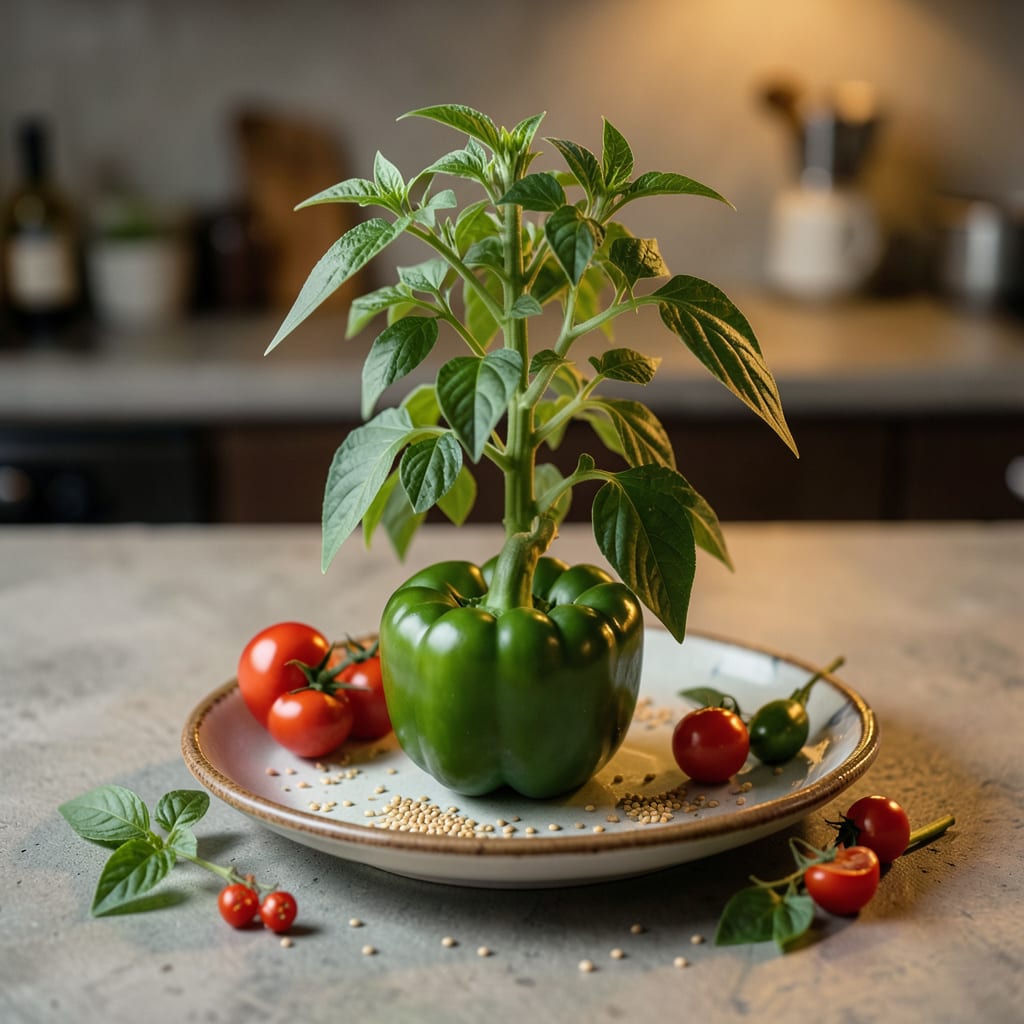
Growing Bell Pepper 🌶️ plants can be a rewarding experience, but understanding their growth habits is key to a successful harvest. In USDA Zone 6, these plants typically thrive in the spring season.
The height of Bell Pepper plants varies, but they generally grow between 2-4 feet tall. Factors like variety, growing conditions, and care practices all play a role in determining their final height. Let’s explore what you need to know to support your plants’ growth.

Bell pepper plants are a popular choice for gardeners, but their height can vary significantly based on several factors. Understanding these factors is crucial for planning your garden layout and maximizing your harvest 🌶️.
The height of bell pepper plants is influenced by the variety, growing conditions, and care practices. Different varieties have distinct growth habits, ranging from compact dwarf varieties that grow 1.5-2.5 feet tall to standard varieties that can reach 2-4 feet in height.
Growing conditions play a significant role in determining the height of bell pepper plants. These plants require full sun to thrive, needing at least 6 hours of direct sunlight per day. Soil quality is also crucial, as bell peppers prefer well-draining, fertile soil rich in organic matter.
Temperature is another critical factor that affects bell pepper plant height. These plants thrive in warm temperatures between 65°F to 85°F (18°C to 30°C). Temperatures that are too low or too high can stress the plants, potentially stunting their growth.
In terms of care practices, proper watering and fertilizing are essential for healthy growth. Bell pepper plants need consistent moisture, especially when they’re producing fruit. A balanced fertilizer applied every 4-6 weeks can provide the necessary nutrients for optimal growth.
Pruning is another care practice that can impact the height of bell pepper plants. While bell peppers don’t require extensive pruning, removing some of the lower leaves and weak growth can help improve air circulation and direct the plant’s energy towards fruit production.
By understanding these factors and providing optimal growing conditions and care, you can help your bell pepper plants reach their full potential height and enjoy a bountiful harvest 🌼.
Key factors that influence bell pepper plant height include variety, sunlight, soil quality, temperature, watering, fertilizing, and pruning practices. By managing these factors effectively, you can optimize your plants’ growth.
Bell pepper plants generally grow between 2-4 feet tall, with some varieties being more compact or more vigorous. Providing the right conditions and care can help your plants reach their maximum height.
The height of bell pepper plants is a critical consideration for garden planning. By understanding the factors that influence height, you can make informed decisions about spacing and support.
Overall, bell pepper plants are relatively easy to grow and can thrive in a variety of conditions. With proper care and attention, you can enjoy a healthy and productive harvest 🔥.
Once you’ve got your bell pepper plants growing, it’s essential to provide the right support to maximize their yield. Tall bell pepper plants can become top-heavy with fruit, making them prone to stem breakage and reduced production 🌶️.
To support your tall bell pepper plants, you’ll need to use a combination of staking, pruning, and training techniques. Let’s dive into the details of each method.
Use sturdy stakes or cages to provide support for tall plants. This helps prevent stem breakage and keeps the fruit off the ground.
Remove lower leaves and weak growth to improve air circulation and direct the plant’s energy towards fruit production.
Gently tie the plant to the stake or cage using soft ties, making sure not to constrict the stem.
By using these techniques, you can help your bell pepper plants grow strong and healthy, producing a bountiful harvest of delicious peppers 🌼.
Proper support is crucial for tall bell pepper plants. Without it, they can become damaged and produce fewer fruit.
When staking your bell pepper plants,
Pruning is another essential technique for supporting tall bell pepper plants. By removing lower leaves and weak growth, you can improve air circulation and help the plant focus its energy on producing fruit.
Finally, training your bell pepper plants to grow up the stake or cage can help maximize their yield. By gently tying the plant to the support, you can keep it upright and promote healthy growth.
Overall, supporting your tall bell pepper plants requires a combination of staking, pruning, and training. With these techniques, you can enjoy a healthy and productive harvest 🔥.
Growing bell pepper plants can be challenging if you’re not aware of the common mistakes that can impact their growth. One of the most critical factors is watering. Both overwatering and underwatering can stress the plants, leading to reduced growth and fruit production 🌶️.
Another common mistake is inadequate fertilization. Bell pepper plants are heavy feeders and require a balanced fertilizer to produce well. Failing to provide the necessary nutrients can result in stunted growth and poor fruit quality.
Overwatering, inadequate fertilization, and poor spacing can all negatively impact bell pepper plant growth.
Poor spacing is another mistake that can affect bell pepper plant growth. Planting them too close together can lead to reduced air circulation, increasing the risk of disease and pest issues.
To avoid these mistakes,
By being aware of these common mistakes and taking steps to avoid them, you can optimize your bell pepper plants’ growth and enjoy a successful harvest 🔥.
