
Beautiful Plants For Your Interior
Beautiful Plants For Your Interior
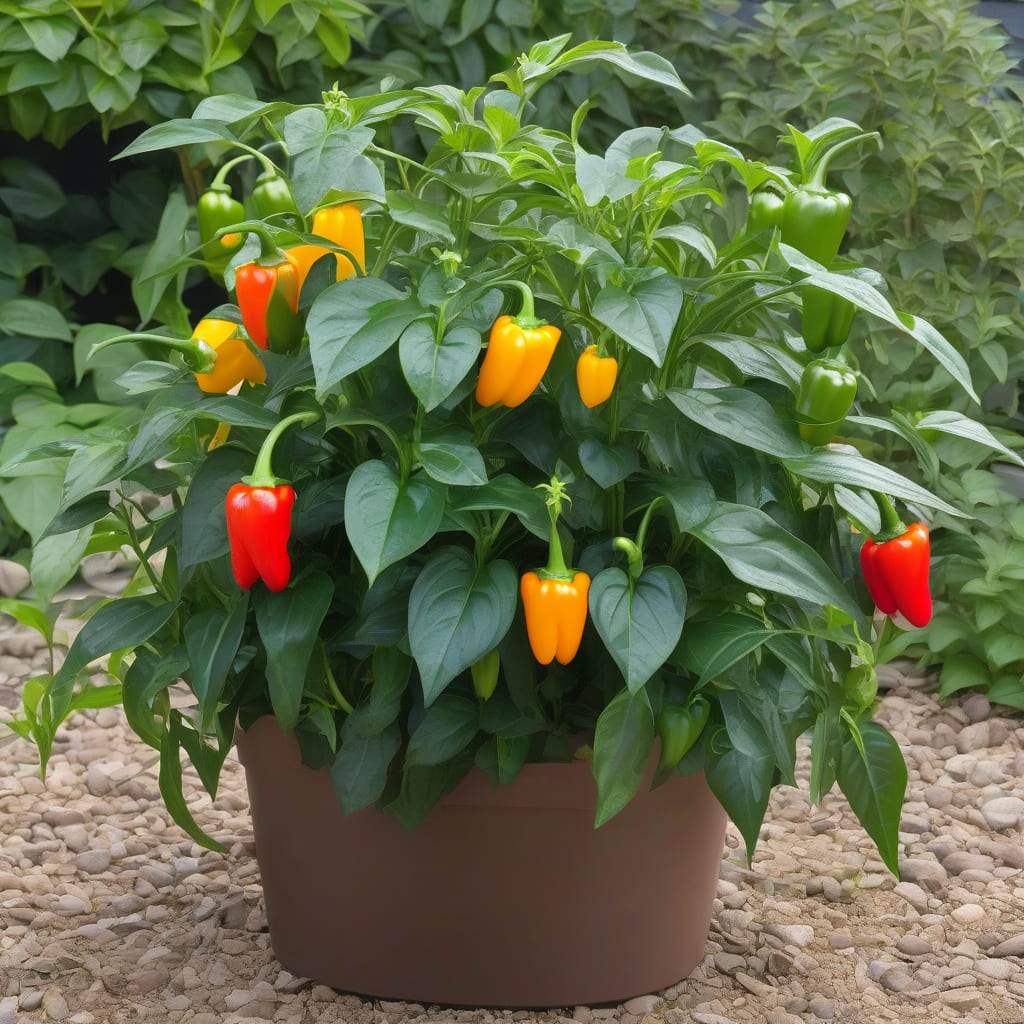
Growing Bell Peppers 🌶️ can be a rewarding experience, but have you ever wondered how tall they’ll actually grow? Understanding their growth habits is key to maximizing your harvest.
In USDA Zone 6, Bell Peppers typically reach heights of 2-4 feet. Factors like soil quality, climate, and variety can impact their growth, but with the right support and care, you can enjoy a bountiful harvest.

Bell pepper plants are known for their versatile growth habits and can thrive in various conditions. Typically, they can grow between 2-4 feet tall, depending on the variety and growing conditions. Understanding these growth patterns is essential for maximizing yield and planning your garden effectively 🌶️.
The height of bell pepper plants can be influenced by several factors, including soil quality, climate, and the specific variety being grown. Some compact varieties may remain under 2 feet, while larger types can exceed 3 feet in height.
Bell pepper plants generally have a upright growth habit, making them suitable for gardens with limited space. They can be supported with cages or stakes to keep them upright and promote better fruiting.
The growth cycle of bell pepper plants involves seed germination, seedling establishment, vegetative growth, flowering, and fruit production. Proper care during these stages is crucial for achieving optimal height and yield.
To support their growth, it’s essential to provide adequate sunlight, consistent watering, and appropriate fertilization. Bell pepper plants thrive in well-draining soil with a balanced nutrient profile.
By understanding the factors that influence bell pepper height, gardeners can make informed decisions about plant care and management. This knowledge helps in optimizing growing conditions and maximizing the potential of their bell pepper plants.
Different varieties of bell peppers may have unique growth characteristics. Some may be more compact, while others may be more vigorous. Choosing the right variety for your garden can help achieve the desired plant height and productivity.
In summary, bell pepper plants can grow to varying heights based on their variety and growing conditions. By providing the right care and support, gardeners can optimize their growth and enjoy a successful harvest 🌟.
For more detailed information on growing bell peppers, including tips on pruning, support, and fertilization, continue reading the next sections of this guide.
Bell pepper plants are influenced by various factors that can impact their height. Understanding these factors is crucial for optimizing their growth and maximizing yield. The main factors include environmental conditions, soil quality, and cultivation practices 🌿.
Environmental conditions play a significant role in determining bell pepper height. Factors such as temperature, sunlight, and water availability can significantly impact plant growth. Bell peppers thrive in warm temperatures and full sun, typically requiring 6+ hours of direct sunlight daily.
Soil quality is another critical factor affecting bell pepper height. The plants prefer well-draining soil rich in organic matter and balanced nutrients. Soil pH between 6.0 and 6.8 is considered optimal for bell pepper cultivation.
Cultivation practices such as pruning, support, and fertilization can also influence bell pepper height. Proper pruning techniques can promote healthier growth and better fruiting, while support structures like cages or stakes help keep plants upright and productive.
By understanding and managing these factors, gardeners can create optimal conditions for their bell pepper plants to grow tall and healthy, ultimately leading to a more bountiful harvest 🌟.
For more specific guidance on optimizing bell pepper growth, including detailed tips on pruning and fertilization, continue reading the next sections of this guide.
To maximize bell pepper height, gardeners can employ several expert techniques that promote healthier growth and better fruit production. One of the most effective methods is providing proper support to the plants 🌿.
Using cages or stakes can help keep bell pepper plants upright, allowing them to grow taller and produce more fruit. This support is particularly important for larger varieties that can become top-heavy with fruit 🌟.
For optimal growth, ensure bell pepper plants receive adequate sunlight and consistent watering. This helps them grow strong and healthy.
Pruning is another crucial technique for maximizing bell pepper height. By removing unnecessary foliage and weak growth, gardeners can direct the plant’s energy towards healthy development and fruit production. Pruning also improves air circulation, reducing the risk of disease 🌟.
Fertilization plays a vital role in promoting bell pepper growth. Using a balanced fertilizer during the growing season can provide essential nutrients for optimal development. It’s recommended to fertilize every 4-6 weeks to maintain soil fertility 📅.
By implementing these expert tips, gardeners can significantly improve the height and productivity of their bell pepper plants. With the right care and support, bell peppers can thrive and provide a bountiful harvest 🌶️.
