
Beautiful Plants For Your Interior
Beautiful Plants For Your Interior
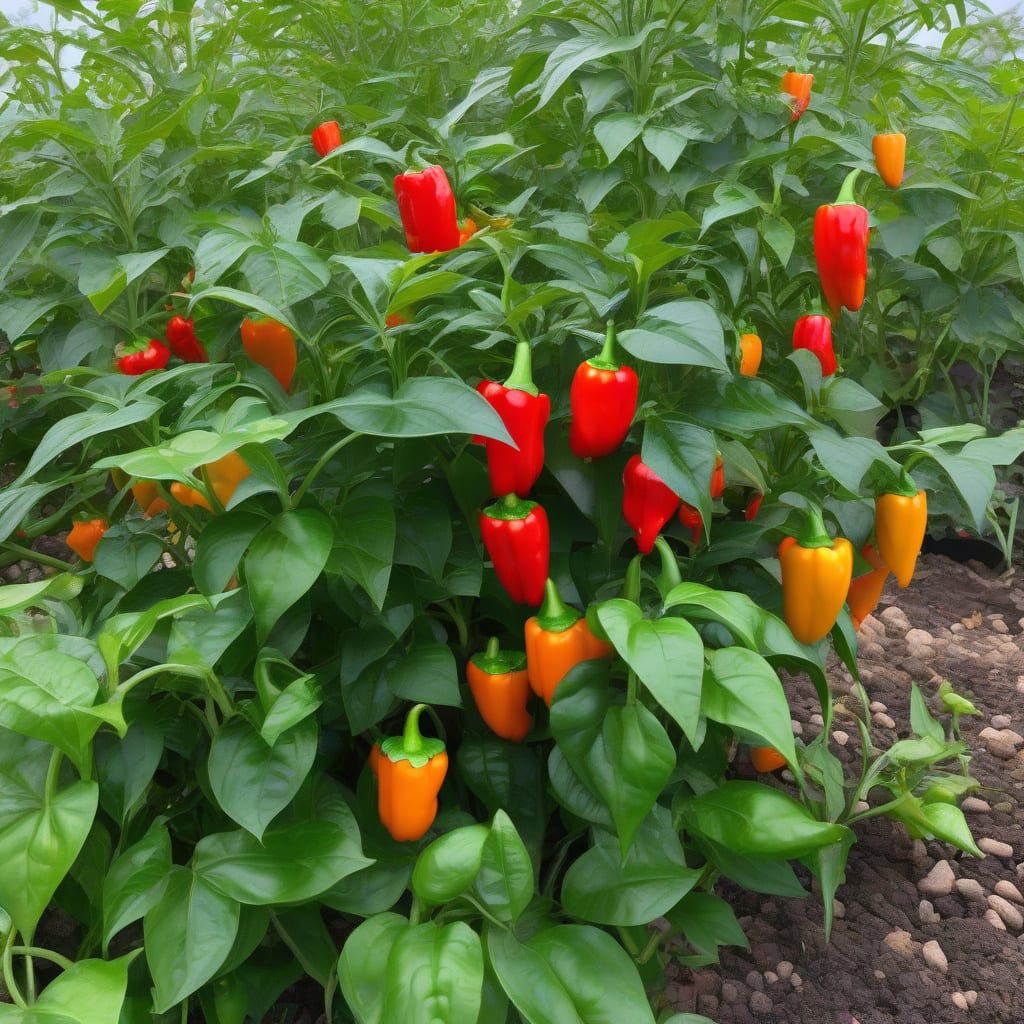
Growing Hot Pepper 🌶️ plants can be a rewarding experience, but have you ever wondered how tall they can actually grow? Understanding their growth potential is key to maximizing your harvest in USDA Zone 6.
Hot Pepper plants typically grow between 2-4 feet tall, depending on factors like soil quality and sunlight. Let’s explore what you can expect and how to support these plants for optimal growth.


Hot pepper plants are known for their vibrant colors and spicy flavor, but their height can vary significantly based on several factors. Understanding these factors is crucial for gardeners who want to maximize their harvest and ensure their plants grow healthily.
The typical height of hot pepper plants ranges between 2-4 feet, with some varieties growing taller or shorter depending on their genetics and growing conditions. Factors such as soil quality, sunlight exposure, and watering practices play a significant role in determining the final height of these plants 🌿.
When growing hot pepper plants, it’s essential to consider these factors to achieve the desired height and a bountiful harvest. By understanding and managing these elements, gardeners can optimize their plant’s growth potential 🌱.
The height of hot pepper plants can also be influenced by the specific variety being grown. Some compact varieties are bred to be smaller and more bushy, while others can grow quite tall 🌿.
Understanding the growth habits of your specific hot pepper variety is key to providing the right care and support for optimal growth.
By recognizing the factors that influence hot pepper plant height, gardeners can make informed decisions about soil preparation, sunlight exposure, and watering practices to achieve the best possible results 🌼.
Hot pepper plants typically thrive in well-draining soil with a balanced fertilizer regimen. Ensuring these conditions are met can help plants reach their full height potential.
Proper care and attention to the specific needs of hot pepper plants can lead to a successful and productive growing season, with plants reaching their expected heights and producing abundant fruit 🔥.
Growing hot pepper plants requires a combination of good soil, adequate sunlight, and proper watering. By focusing on these key areas, gardeners can enjoy a healthy and productive crop 🌟.
To maximize the growth of your hot pepper plants, it’s essential to understand the key factors that influence their development. By focusing on soil preparation, sunlight requirements, watering strategies, and pruning methods, you can create an optimal growing environment that encourages healthy growth and maximizes your harvest 🌿.
Use well-draining soil with a balanced fertilizer regimen. Hot pepper plants thrive in soil with a pH between 6.0-7.0. Incorporate compost or well-rotted manure to improve soil fertility and drainage.
Hot pepper plants require full sun to produce well. Ensure they receive at least 6 hours of direct sunlight per day. In areas with intense sunlight, consider providing some afternoon shade to prevent scorching.
Maintain consistent moisture levels by watering plants every 3-4 days, depending on weather conditions. Avoid overwatering, which can lead to root rot and other issues. Water at the base of the plants to minimize foliar diseases.
Prune your hot pepper plants to encourage bushy growth and prevent them from becoming leggy. Remove any weak or spindly growth, and consider topping the plants to promote branching. This will result in a more productive plant with a higher yield 🌼.
By implementing these expert tips and techniques, you can maximize the growth of your hot pepper plants and enjoy a bountiful harvest.
Proper care and attention to the specific needs of hot pepper plants can lead to a successful and productive growing season. With the right techniques, you can enjoy a healthy and productive crop of hot peppers 🌟.
Maximizing hot pepper plant growth requires a combination of good soil, adequate sunlight, and proper watering. By focusing on these key areas, gardeners can enjoy a healthy and productive crop 🌿.
By following these guidelines and providing your hot pepper plants with the care they need, you can look forward to a rewarding harvest of delicious and spicy peppers 🌶️.
When growing hot pepper plants, it’s essential to provide support for tall varieties to prevent them from toppling over in the wind or under the weight of their fruit 🌿.
Tall hot pepper plants can benefit from staking or trellising to keep them upright and encourage better fruiting. There are several methods to provide structural support, and the choice of method depends on the specific variety and growing conditions.
By providing the right support, you can help your hot pepper plants grow healthily and productively, ensuring a bountiful harvest of delicious peppers 🌶️.
Proper staking and trellising not only prevent damage to the plants but also make it easier to harvest the peppers. This simple step can significantly improve the overall yield and quality of your hot peppers 🌟.
Whether you choose staking, trellising, or caging, the key is to provide support that is gentle yet firm, allowing your hot pepper plants to thrive and reach their full potential 🌱.
