
Beautiful Plants For Your Interior
Beautiful Plants For Your Interior
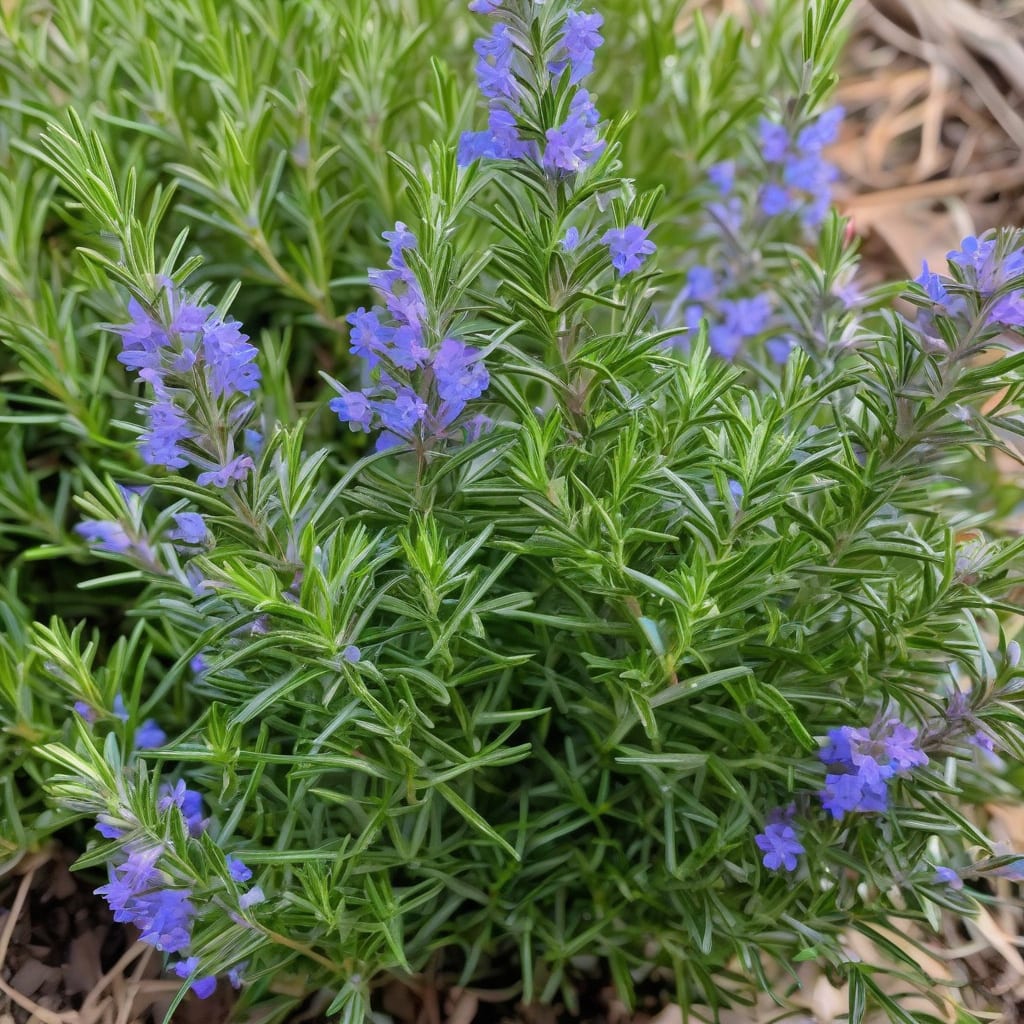
Rosemary 🌿 is a versatile herb that can grow quite tall, but its height depends on various factors. Understanding these factors is crucial to making the most of your rosemary plant, whether you’re growing it in a container or in the ground.
In ideal conditions, rosemary can reach heights of 4 to 6 feet, making it a great addition to any garden or indoor space in USDA Zone 6. Let’s explore what influences its growth and how you can encourage it to reach its full potential.


Rosemary’s height can vary significantly based on several key factors. Understanding these elements is crucial for gardeners looking to maximize their rosemary’s growth potential. The main factors include climate, soil quality, pruning practices, and whether the plant is grown in a container or directly in the ground 🌿.
Climate plays a significant role in rosemary’s growth. Rosemary thrives in Mediterranean-like conditions with plenty of sunlight and moderate temperatures. In areas with harsh winters, rosemary may not grow as tall due to dieback from frost.
The quality of the soil is another critical factor. Well-draining soil is essential for healthy rosemary growth. Poor drainage can lead to root rot, which can severely limit the plant’s height and overall health. Adding organic matter like compost can improve soil structure and drainage 🌿.
Pruning practices also significantly affect rosemary’s height. Regular pruning encourages dense, bushy growth and can influence the plant’s overall height. Pruning helps maintain the plant’s shape and promotes healthier growth by removing dead or damaged branches 🔥.
Whether rosemary is grown in a container or directly in the ground impacts its potential height. Rosemary grown in containers may have restricted root growth compared to those planted directly in the ground. This restriction can limit the plant’s overall size and height 🌱.
In USDA Zone 6, rosemary typically reaches heights of 4 to 6 feet when grown in ideal conditions. However, in less favorable conditions, it may remain smaller. Understanding and optimizing the factors that influence rosemary’s growth can help gardeners achieve the maximum height for their plants 🌼.
By focusing on these key factors, gardeners can create an optimal environment for their rosemary plants to thrive and reach their full potential height 🌻.
Regular monitoring and adjustment of these factors will help ensure that rosemary plants remain healthy and continue to grow to their maximum potential height over time 🔄.
With proper care and attention to the factors that influence its growth, rosemary can become a beautiful and fragrant addition to any garden or indoor space, reaching heights that enhance its aesthetic and culinary value 🌸.
In conclusion, understanding the factors that affect rosemary’s maximum height is essential for gardeners who want to make the most of this versatile and fragrant herb. By optimizing these factors, gardeners can enjoy a thriving rosemary plant that adds beauty and flavor to their garden or kitchen 🌿.
Growing tall, healthy rosemary plants requires careful attention to their needs. To maximize height, rosemary needs full sun with at least 6 hours of direct sunlight daily. Proper watering is also crucial, with rosemary preferring well-draining soil and infrequent deep watering 🌿.
Place rosemary in a location that receives full sun for at least 6 hours daily. This will help promote healthy growth and maximize height.
Water rosemary deeper but less frequently to encourage deep root growth. This helps the plant become more drought-tolerant and promotes healthier growth.
Feed rosemary with a balanced fertilizer during the growing season. Avoid over-fertilizing, as this can lead to weak, leggy growth.
In addition to these tips, it’s essential to prune rosemary regularly. Pruning encourages dense, bushy growth and helps maintain the plant’s shape. By removing dead or damaged branches, you promote healthier growth and can influence the plant’s overall height 🔥.
Rosemary grown in containers may require more frequent watering and fertilization compared to those planted directly in the ground. Ensure containers have good drainage to prevent root rot 🌱.
By following these tips, gardeners can create an optimal environment for their rosemary plants to thrive and reach their full potential height. Regular monitoring and adjustment of care practices will help ensure that rosemary plants remain healthy and continue to grow over time 🔄.
With proper care and attention, rosemary can become a beautiful and fragrant addition to any garden or indoor space, reaching heights that enhance its aesthetic and culinary value 🌸.
To further support healthy growth, consider mulching around the base of your rosemary plants. Mulch helps retain moisture, suppress weeds, and regulate soil temperature, all of which contribute to a healthier plant 🌿.
In summary, growing tall, healthy rosemary plants involves providing adequate sunlight, proper watering, and regular pruning. By following these guidelines, gardeners can enjoy a thriving rosemary plant that adds beauty and flavor to their garden or kitchen 🌻.
Growing rosemary can be challenging if you’re not aware of the common mistakes that can limit its growth potential. One of the most significant errors is over-pruning, which can stress the plant and reduce its height 🌿.
Prune rosemary lightly to maintain shape and encourage bushy growth. Avoid cutting back too much of the plant at once.
Another mistake is poor soil drainage, which can lead to root rot and severely limit the plant’s height and overall health. Ensure the soil drains well by adding organic matter like compost 🌱.
Insufficient sunlight is also a common error. Rosemary needs full sun with at least 6 hours of direct sunlight daily to grow tall and healthy. Placing it in a shaded area can result in weak, leggy growth 🔥.
Incorrect harvesting techniques can also impact rosemary’s growth. Instead of pulling or tugging on the stems, which can damage the plant, pinch or cut off individual sprigs as needed. This method encourages new growth and helps maintain the plant’s shape 🌸.
By avoiding these common mistakes, gardeners can create a more favorable environment for their rosemary plants to thrive and reach their full potential height 🌻.
Regular monitoring and adjustment of care practices will help ensure that rosemary plants remain healthy and continue to grow over time 🔄.
In summary, being aware of and avoiding common mistakes like over-pruning, poor soil drainage, insufficient sunlight, and incorrect harvesting techniques can significantly improve rosemary’s growth potential 🌿.
