
Beautiful Plants For Your Interior
Beautiful Plants For Your Interior
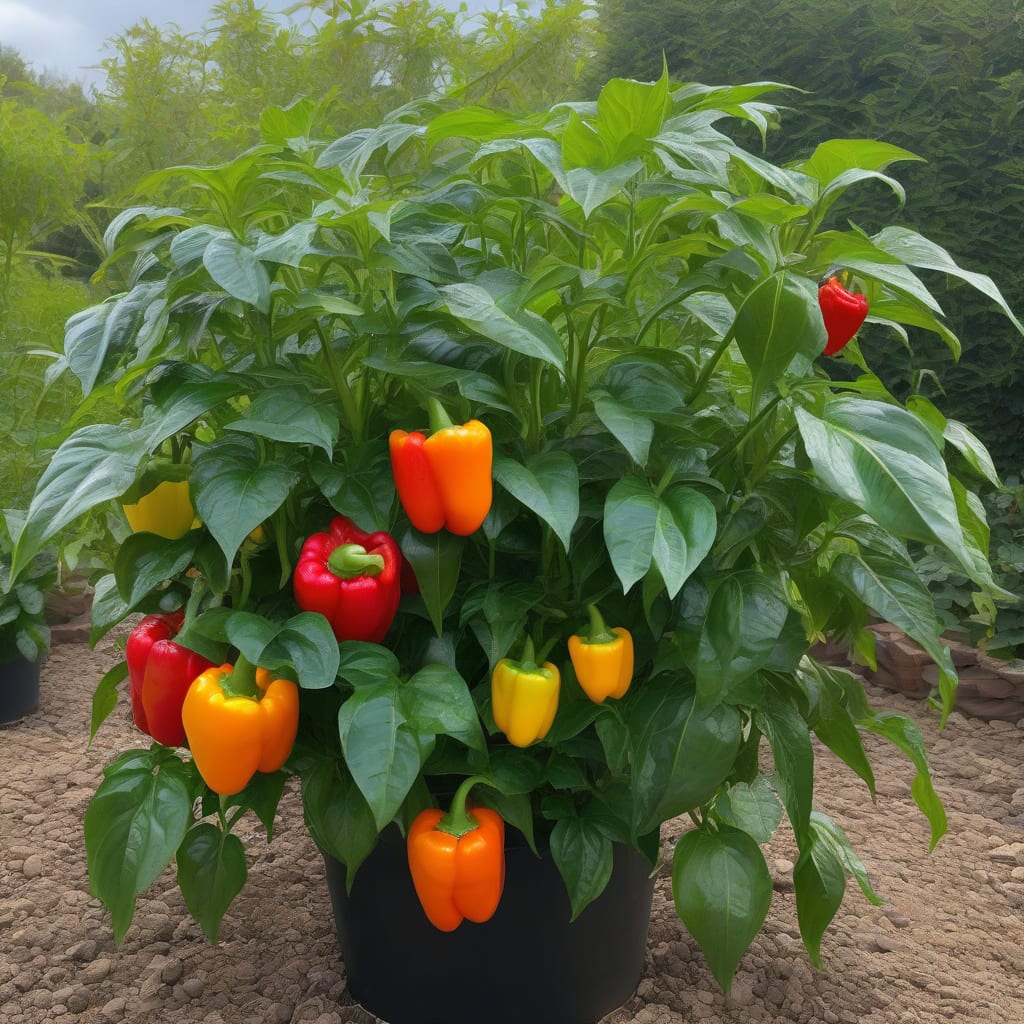
Growing bell pepper plants 🌶️ can be a rewarding experience, especially when you understand their growth patterns. In USDA Zone 6, these plants typically thrive in the spring season, producing vibrant peppers from July to September.
The height of bell pepper plants varies, but they generally grow between 2-4 feet tall. Factors like soil quality, sunlight, and watering habits influence their growth. By optimizing these conditions, you can enjoy a bountiful harvest of delicious bell peppers.

Bell pepper plants are a popular choice for gardeners due to their vibrant colors and versatility in cooking. Understanding how tall these plants can grow is crucial for planning your garden space and providing the necessary support. Generally, bell pepper plants can grow between 2-4 feet tall, with some varieties reaching heights of up to 5 feet under optimal conditions 🌶️.
The height of bell pepper plants is influenced by several factors, including the variety, growing conditions, and care practices. Factors such as soil quality, sunlight exposure, and watering habits play a significant role in determining the plant’s height and overall health. By understanding these factors, you can better manage your bell pepper plants to achieve a bountiful harvest.
The average height of bell pepper plants typically ranges between 2-3 feet, making them suitable for both container gardening and in-ground planting. However, some indeterminate varieties can grow taller, requiring additional support 🌿.
To maximize the growth of your bell pepper plants, it’s essential to provide them with optimal growing conditions. This includes ensuring they receive adequate sunlight, maintaining consistent watering, and providing necessary nutrients through fertilization 🌻.
Bell pepper plants are generally considered medium-sized plants, making them a versatile choice for various garden setups. Their height can be influenced by the specific growing conditions and the care they receive during the growing season 📏.
For gardeners looking to grow bell peppers, understanding the potential height of these plants helps in planning the garden layout and providing the necessary support structures. This knowledge ensures that the plants have enough space to grow and receive the care they need 🌱.
In USDA Zone 6, bell pepper plants typically thrive during the spring and summer months, producing fruit from July to September. Proper care during this period is crucial for maximizing yield and plant health 🌞.
By understanding the growth habits and needs of bell pepper plants, gardeners can better manage their expectations and care for these plants. This includes being aware of the potential height and how to support the plants as they grow 🌿.
Overall, bell pepper plants are a rewarding addition to any garden, offering both aesthetic value and a delicious harvest. By providing the right conditions and care, you can enjoy a successful growing season 🌼.
To further enhance your understanding of bell pepper plant growth, consider exploring additional resources on gardening and plant care. This can provide valuable insights into optimizing your garden’s potential and ensuring a healthy, productive growing season 📚.
By following these guidelines and understanding the factors that influence bell pepper plant height, you can create an optimal growing environment for your plants. This will help you achieve a bountiful harvest and enjoy the many benefits of growing bell peppers in your garden 🌟.
To maximize the growth of your bell pepper plants, it’s essential to provide them with optimal growing conditions. This includes ensuring they receive adequate sunlight, maintaining consistent watering, and providing necessary nutrients through fertilization 🌻.
Bell pepper plants require full sun to produce well, so choose a location that receives 6+ hours of direct sunlight per day. Soil quality is also crucial, as well-draining, nutrient-rich soil promotes healthy root development and overall plant growth 🌿.
Test your soil to determine its pH level and nutrient content. Bell peppers prefer a slightly acidic to neutral soil pH (6.0-7.0). Add organic matter like compost to improve soil structure and fertility 🌼.
Bell pepper plants need consistent moisture, especially when fruiting. Water them deeply once or twice a week, depending on weather conditions. Avoid overwatering, which can lead to root rot and other issues 💧.
Feed your bell pepper plants with a balanced fertilizer (10-10-10 NPK) every 4-6 weeks. You can also side-dress with calcium nitrate to prevent blossom end rot 🌼.
By following these expert tips and techniques, you can create an optimal growing environment for your bell pepper plants. This will help you achieve a bountiful harvest and enjoy the many benefits of growing bell peppers in your garden 🌟.
Proper care and attention to detail are crucial for maximizing bell pepper plant growth. By understanding the specific needs of your plants and providing the right conditions, you can enjoy a successful growing season 🌞.
In addition to these tips, consider exploring other resources on gardening and plant care to further enhance your knowledge and skills. This will help you optimize your garden’s potential and ensure a healthy, productive growing season 📚.
By implementing these strategies, you can promote healthy growth and maximize your bell pepper harvest. Happy gardening! 🌼
Bell pepper plants can grow quite tall, typically reaching heights of 2-4 feet. To support their growth and prevent sprawling, it’s essential to provide them with proper staking or trellising 🌿.
There are several methods to stake or trellis bell pepper plants. One common approach is to use tomato cages or trellises to provide support as the plants grow. This helps keep the plants upright and promotes better fruiting 🌻.
When staking bell pepper plants, gently tie the stem to the support using soft ties to avoid damaging the plant.
Another effective method is to use individual stakes for each plant. This provides targeted support and helps prevent the plants from becoming too leggy or top-heavy 🌟.
When using trellises, it’s essential to train the plants to grow upwards by gently twining the stems around the support. This encourages vertical growth and maximizes space in your garden 🌼.
Proper staking and trellising not only support the plants but also improve air circulation, reducing the risk of disease and promoting healthier growth 🌞.
By implementing these staking and trellising methods, you can enjoy a more productive and visually appealing bell pepper harvest. Happy gardening! 🌱
