
Beautiful Plants For Your Interior
Beautiful Plants For Your Interior
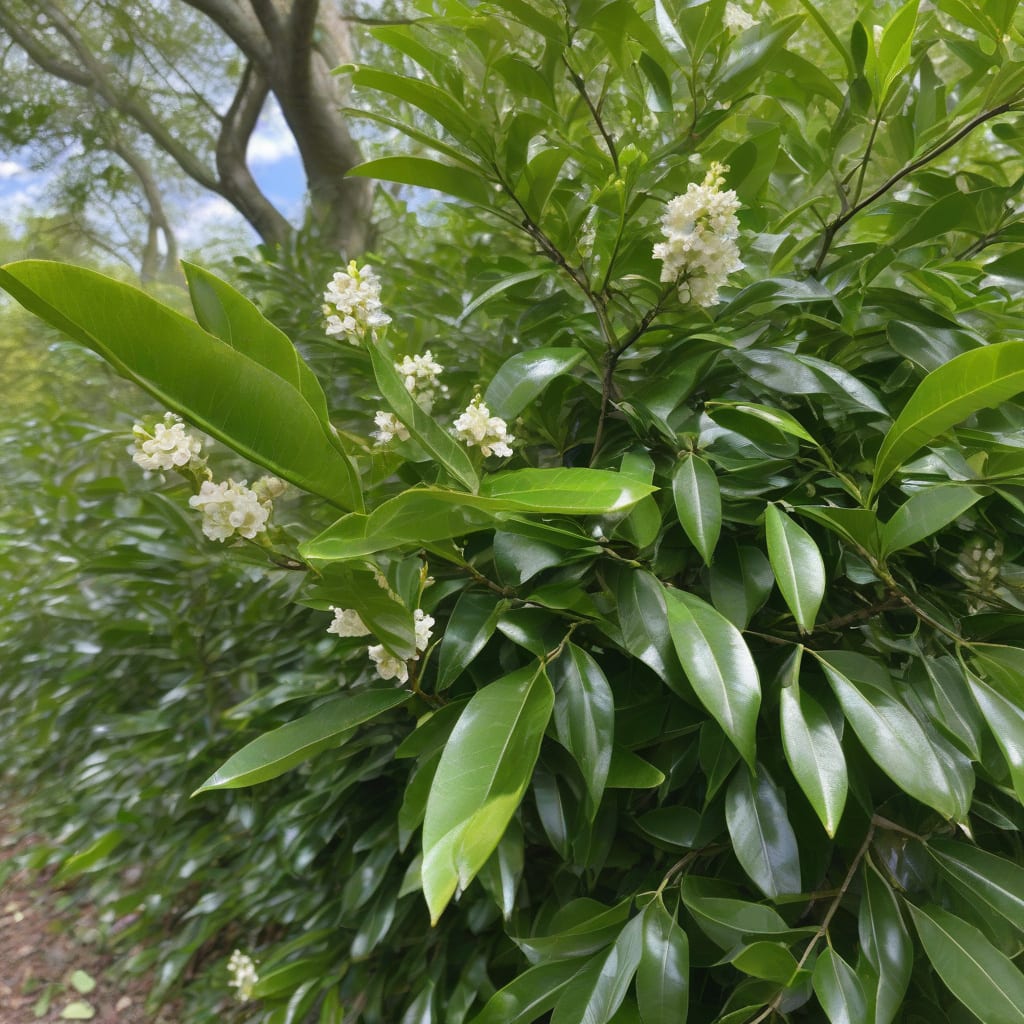
When planning your garden, understanding the mature height of your plants is crucial. Cherry laurel 🌿 shrubs are known for their rapid growth, but their ultimate height can vary based on several factors, including soil quality and pruning practices.
I’m here to guide you through what you can expect from these versatile evergreens, helping you make informed decisions for your landscape in USDA Zone 6. Let’s explore the growth habits of cherry laurels and how to manage their height effectively.


Cherry laurels are known for their rapid growth, but their ultimate height can vary significantly based on several key factors. Understanding these factors is crucial for gardeners who want to predict and manage the mature height of their cherry laurel shrubs.
The soil quality plays a significant role in determining how tall cherry laurels will grow. Well-draining, fertile soil rich in organic matter can support healthier growth and potentially taller plants. In my experience, cherry laurels thrive in soil with a pH between 6.0 and 7.0, which is slightly acidic to neutral. 🌿
The sunlight exposure is another critical factor that affects the height of cherry laurels. While they can tolerate partial shade, cherry laurels grown in full sun tend to grow taller and denser. In USDA Zone 6, where cherry laurels are commonly grown, ensuring they receive adequate sunlight is essential for optimal growth.
Pruning practices also significantly impact the mature height of cherry laurels. Regular pruning not only controls the height but also encourages a bushier, more compact growth habit. By pruning cherry laurels annually, gardeners can maintain the desired height and shape, making them ideal for hedges or screens.
Finally, the cultivar or variety of cherry laurel can influence its mature height. Some cultivars are naturally more compact, while others can grow quite tall. Selecting the right cultivar based on the desired height and landscape use is crucial for achieving the best results in your garden.
By understanding these factors, gardeners can better predict and manage the height of their cherry laurel shrubs, ensuring they fit well within their landscape design. Whether you’re looking for a tall screen or a compact hedge, cherry laurels offer versatility and beauty with proper care.
In conclusion, the height of cherry laurels is influenced by a combination of soil quality, sunlight exposure, pruning practices, and cultivar variations. By considering these factors, gardeners can make informed decisions to achieve their desired landscape outcomes. 🌿
Cherry laurel cultivars come in various sizes, making them suitable for different landscaping needs. Understanding the typical height ranges for different varieties is crucial for garden planning.
The mature height of cherry laurel varieties can range from 3 feet to 25 feet, depending on the cultivar. Some popular varieties include ‘Otto Luyken’, ‘Schipkaensis’, and ‘Rotundifolia’, each with its unique growth characteristics.
When selecting a cherry laurel variety, it’s essential to consider the desired height for your landscape. Compact varieties like ‘Otto Luyken’ are ideal for smaller spaces or hedges, while taller varieties like ‘Rotundifolia’ can serve as effective screens or specimen plants.
The growth rate of cherry laurels also varies among cultivars. Some grow slowly, while others can grow quite rapidly, especially in ideal conditions. Understanding the growth rate helps in planning for future maintenance and pruning needs.
By choosing the right cherry laurel variety based on its mature height and growth rate, gardeners can create a well-balanced and visually appealing landscape. Whether you’re looking for a compact hedge or a tall screen, there’s a cherry laurel variety to suit your needs 🌿.
In summary, the height of cherry laurel varieties can vary significantly, and selecting the appropriate cultivar is key to achieving the desired landscape effect. Consider factors like mature height and growth rate when making your selection.
Pruning is essential for managing the height of cherry laurels and maintaining their desired shape. Regular pruning not only controls the height but also encourages a bushier, more compact growth habit. I recommend pruning cherry laurels annually to keep them healthy and visually appealing 🌿.
The best time to prune cherry laurels is in the late winter or early spring, before new growth begins. This timing helps minimize the risk of disease and promotes healthy regrowth. When pruning, it’s crucial to use the right techniques to avoid damaging the plant.
Start by removing any dead, diseased, or damaged branches to prevent the spread of disease and encourage healthy growth.
Thin out the center of the shrub to allow more light to penetrate and improve air circulation, reducing the risk of disease.
Shape the shrub by cutting back overgrown branches to maintain the desired height and shape. Make clean cuts just above a bud or lateral branch.
Regular maintenance, including annual pruning and monitoring for pests and diseases, is key to keeping cherry laurels healthy and under control. By following these pruning techniques and tips, you can effectively manage the height of your cherry laurel shrubs and enjoy their beauty in your landscape 🌿.
In summary, managing cherry laurel height through pruning and maintenance is a straightforward process that requires regular attention and the right techniques. With proper care, cherry laurels can remain a beautiful and functional part of your garden for years to come.
