
Beautiful Plants For Your Interior
Beautiful Plants For Your Interior
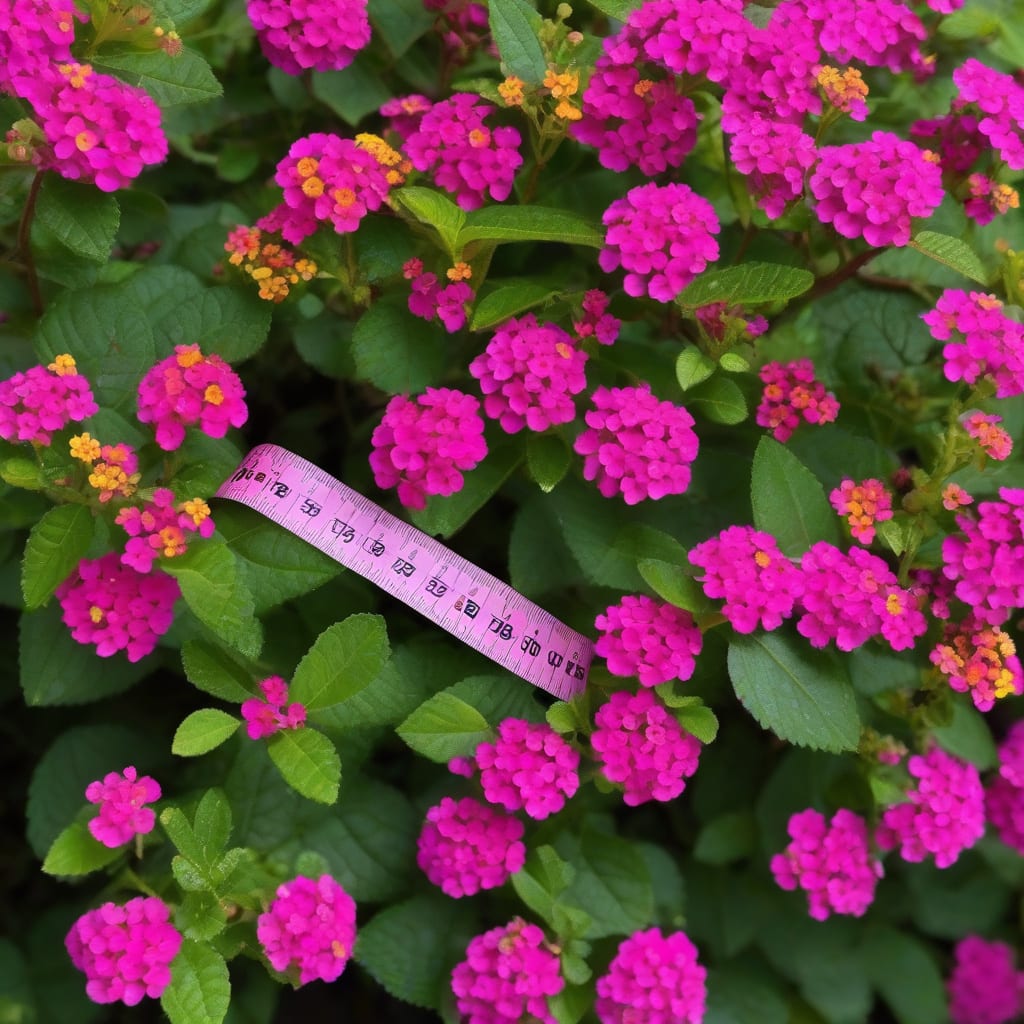
I’ve always been fascinated by 🌼 Lantana’s vibrant flowers and ability to attract butterflies to my garden. Understanding how tall they can grow is crucial for optimal placement and care.
Lantanas can grow between 2 to 6 feet tall, depending on factors like variety, growing conditions in USDA Zone 9b, and pruning practices. Let’s explore the details to help you make the most of these beautiful plants.


Lantana plants are known for their vibrant flowers and ability to attract butterflies, but understanding their growth habits is crucial for optimal placement and care. The height of lantana plants can vary significantly based on several factors 🌼.
The typical height range for lantana plants is between 2 to 6 feet, with some varieties growing taller than others. Factors such as variety, growing conditions, and pruning practices play a significant role in determining the maximum height of lantana plants.
Understanding these factors is essential for gardeners who want to maximize the height of their lantana plants or maintain a more compact growth habit. By selecting the right variety and providing optimal growing conditions, gardeners can influence the height of their lantanas 🌿.
Lantana plants are generally considered to be medium-sized shrubs, with a mature height of around 6 feet. However, some dwarf or compact varieties may only reach a height of 2 feet 🌟.
The growth rate of lantana plants can also vary, with some plants growing more quickly than others. Factors such as soil quality, watering, and fertilization can all impact the growth rate of lantanas.
In USDA Zone 9b, lantanas can be grown as perennials and can thrive in the warm climate. They require full sun and well-draining soil to grow well.
To promote healthy growth and maximize height, lantanas require regular maintenance, including pruning and fertilization. Pruning helps control the plant’s height and encourages bushier growth, while fertilization provides essential nutrients for optimal growth 💪.
Lantanas are also known to be drought-tolerant once established, but they perform best with regular watering. Overwatering can lead to root rot and other issues, so it’s essential to strike a balance 🌿.
In terms of specific growth habits, lantanas can grow between 2 to 3 feet in the first year, 3 to 4 feet in the second year, and 4 to 6 feet in the third year 🌱.
By understanding the growth habits of lantana plants and providing optimal care, gardeners can enjoy these beautiful and versatile plants in their gardens for years to come 🌼.
Overall, lantanas are a great choice for gardeners who want to add some color and attract butterflies to their gardens. With proper care and maintenance, lantanas can thrive and provide beautiful blooms throughout the growing season 🌻.
To maximize lantana height, gardeners should focus on providing optimal growing conditions and regular maintenance. Lantanas thrive in full sun and well-draining soil, making these conditions essential for promoting healthy growth 🌼.
One of the most effective ways to encourage vertical growth in lantanas is through proper soil preparation. Adding organic matter like compost can improve soil quality and provide essential nutrients for optimal growth.
Use a balanced fertilizer (10-10-10 NPK) every 4-6 weeks during the growing season to provide essential nutrients.
Water lantanas weekly during dry spells, ensuring the soil remains moist but not waterlogged.
Prune lantanas in early spring to control height and encourage bushier growth, promoting a more vigorous plant.
By following these expert tips, gardeners can promote healthy growth and maximize the height of their lantana plants. Regular maintenance and optimal growing conditions are key to achieving the full potential of these beautiful plants 🌿.
In addition to these tips, gardeners should also be aware of potential pitfalls in lantana care that can stunt growth. Common mistakes include overwatering, poor soil quality, and inadequate pruning practices 🌟.
To avoid these issues, gardeners should ensure that their lantanas receive proper care and maintenance. This includes regular watering, fertilization, and pruning, as well as monitoring for pests and diseases.
By understanding the growth habits of lantana plants and providing optimal care, gardeners can enjoy these beautiful and versatile plants in their gardens for years to come 🌼.
When growing lantanas, gardeners often make mistakes that can limit their growth and overall health. One common error is overwatering, which can lead to root rot and other issues 🌿.
Lantanas are drought-tolerant once established, but they still require regular watering. However, overwatering can be detrimental to their health. To avoid this, gardeners should ensure that the soil is well-draining and allow it to dry slightly between waterings 💧.
Another mistake gardeners make is neglecting soil quality. Lantanas thrive in well-draining soil with a balanced nutrient profile. Adding organic matter like compost can improve soil quality and promote healthy growth 🌱.
Inadequate pruning is another common mistake that can limit lantana growth. Regular pruning helps control the plant’s height and encourages bushier growth, promoting a more vigorous plant 🌼.
By avoiding these common mistakes, gardeners can promote healthy growth and maximize the height of their lantana plants. Regular maintenance and optimal growing conditions are key to achieving the full potential of these beautiful plants 🌻.
Gardeners should also be aware of potential pests and diseases that can affect lantanas, such as aphids, whiteflies, and root rot. Monitoring for these issues and taking action promptly can help prevent damage and promote healthy growth 🚨.
Overall, lantanas are a great choice for gardeners who want to add some color and attract butterflies to their gardens. With proper care and maintenance, lantanas can thrive and provide beautiful blooms throughout the growing season 🌼.
