
Beautiful Plants For Your Interior
Beautiful Plants For Your Interior
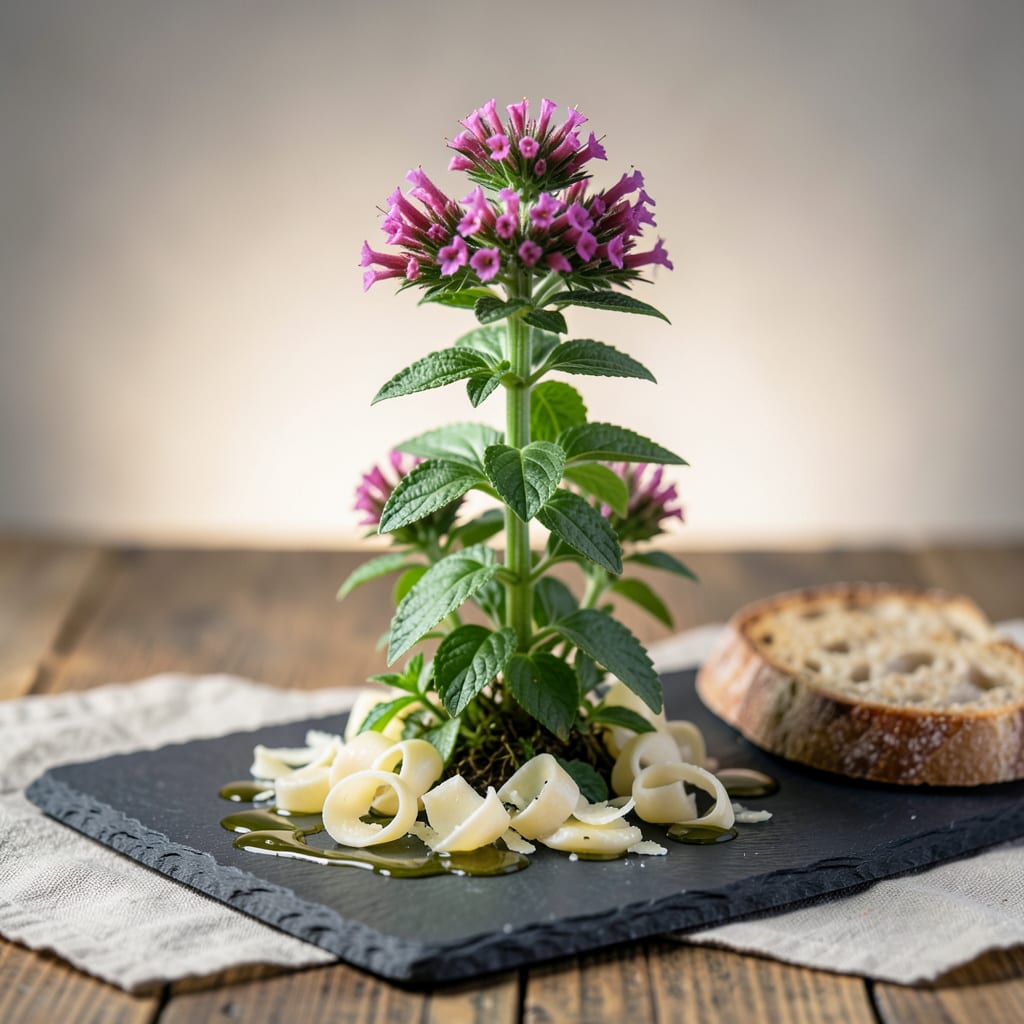
When planning your garden, understanding how tall your plants will grow is crucial. Lantana 🌼, a popular choice for many gardeners, can reach varying heights depending on several factors. Knowing its potential size helps with placement and care.
Lantana typically grows between 3 to 6 feet tall, making it a great choice for borders or containers. Factors like variety, growing conditions, and pruning practices can influence its ultimate height. Let’s explore these factors to help you achieve optimal growth.

2 ft

4 ft

6 ft

6 ft
Lantana’s growth height can vary significantly based on several factors. Understanding these factors is crucial for gardeners to achieve optimal growth and placement in their gardens. The main factors that influence lantana’s height include the variety, growing conditions, and care practices 🌼.
Different varieties of lantana have distinct growth habits. Some are naturally more compact, while others can grow quite tall. Growing conditions such as sunlight, soil quality, and watering also play a significant role in determining the plant’s ultimate height. Proper care practices, including pruning and fertilization, can further impact lantana’s growth.
The specific growing conditions can significantly impact lantana’s ultimate height. For instance, lantana grown in warmer climates with longer growing seasons tends to reach its maximum potential height more quickly than in cooler regions 🌟.
Lantana’s growth rate is generally moderate, with the plant reaching its mature height within 2 to 3 years under optimal conditions. Proper care, including regular watering and balanced fertilization, supports healthy growth and helps the plant achieve its full height potential.
Pruning is a critical care practice that affects lantana’s height. By pruning back the plant in early spring, gardeners can control its size and encourage a fuller, more compact growth habit. This practice not only manages height but also promotes more vigorous blooming throughout the growing season.
In addition to pruning, spacing considerations are important when planting lantana. Providing adequate space between plants allows for proper air circulation and reduces the risk of disease, contributing to healthier growth and more consistent height development.
Lantana’s height can also be influenced by its container or ground planting. Plants grown in containers may have more controlled growth due to root restriction, while those planted directly in the ground can often achieve greater heights.
Understanding these factors and how they interact helps gardeners make informed decisions about lantana placement and care. By optimizing growing conditions and care practices, gardeners can achieve the desired height and overall performance from their lantana plants 🌿.
For gardeners looking to maximize lantana’s height, choosing a variety known for its taller growth habit and providing optimal growing conditions are key strategies. Regular maintenance, including appropriate pruning and fertilization, further supports the plant’s ability to reach its full height potential.
Overall, lantana’s height is a result of a combination of its genetic potential and the growing conditions it is subjected to. By understanding and managing these factors, gardeners can effectively control lantana’s size and enjoy its beautiful blooms in their garden.
In summary, lantana typically grows between 3 to 6 feet tall, with its ultimate height influenced by variety, growing conditions, and care practices. By selecting the right variety and providing optimal care, gardeners can achieve the desired height and enjoy the plant’s vibrant flowers throughout the growing season 🌼.
To achieve optimal garden performance with lantana, managing its height is crucial. Proper height management not only enhances the plant’s appearance but also promotes healthier growth and more vibrant blooming 🌼.
Effective height management involves several key strategies, including pruning techniques, spacing considerations, and maintenance tips. By implementing these strategies, gardeners can control lantana’s size and ensure it thrives in their garden.
Prune lantana in early spring to control its height and promote bushier growth. Remove dead or damaged branches to maintain plant health.
Plant lantana with adequate spacing to allow for proper air circulation and reduce disease risk. Typical spacing is 2 to 3 feet between plants.
Regular watering and balanced fertilization support healthy growth. Avoid over-fertilizing, as this can lead to excessive growth.
By following these steps, gardeners can effectively manage lantana’s height and enjoy a more balanced and vibrant garden display 🌿.
Pruning Techniques play a significant role in controlling lantana’s height. Pruning not only helps maintain a desired size but also encourages the plant to produce more flowers.
Spacing Considerations are also vital. Proper spacing ensures that lantana plants have enough room to grow without becoming too crowded, which can lead to reduced air circulation and increased disease susceptibility.
Maintenance Tips include regular monitoring of the plant’s health and adjusting care practices as needed. This proactive approach helps prevent issues that could affect lantana’s height and overall performance.
In summary, managing lantana’s height involves a combination of pruning, proper spacing, and regular maintenance. By implementing these strategies, gardeners can achieve optimal growth and enjoy the beauty of their lantana plants 🌼.
Lantana comes in various types, each with its unique growth patterns and height ranges. Understanding these variations helps gardeners choose the right variety for their specific needs 🌼.
The height of lantana plants can vary significantly depending on the variety. Some compact varieties remain relatively short, while others can grow quite tall. Knowing the specific growth habits of different lantana types is essential for effective garden planning.
Different lantana varieties offer a range of growth habits and heights, allowing gardeners to select the perfect type for their garden design. Whether you prefer a compact variety for containers or a taller type for borders, there’s a lantana suitable for your needs 🌿.
When selecting a lantana variety, consider factors such as available space, desired height, and overall garden aesthetic. This ensures that the chosen variety complements your garden design and meets your expectations.
By understanding the growth patterns and height variations of different lantana types, gardeners can make informed decisions and create a beautiful, thriving garden display 🌼.
