
Beautiful Plants For Your Interior
Beautiful Plants For Your Interior
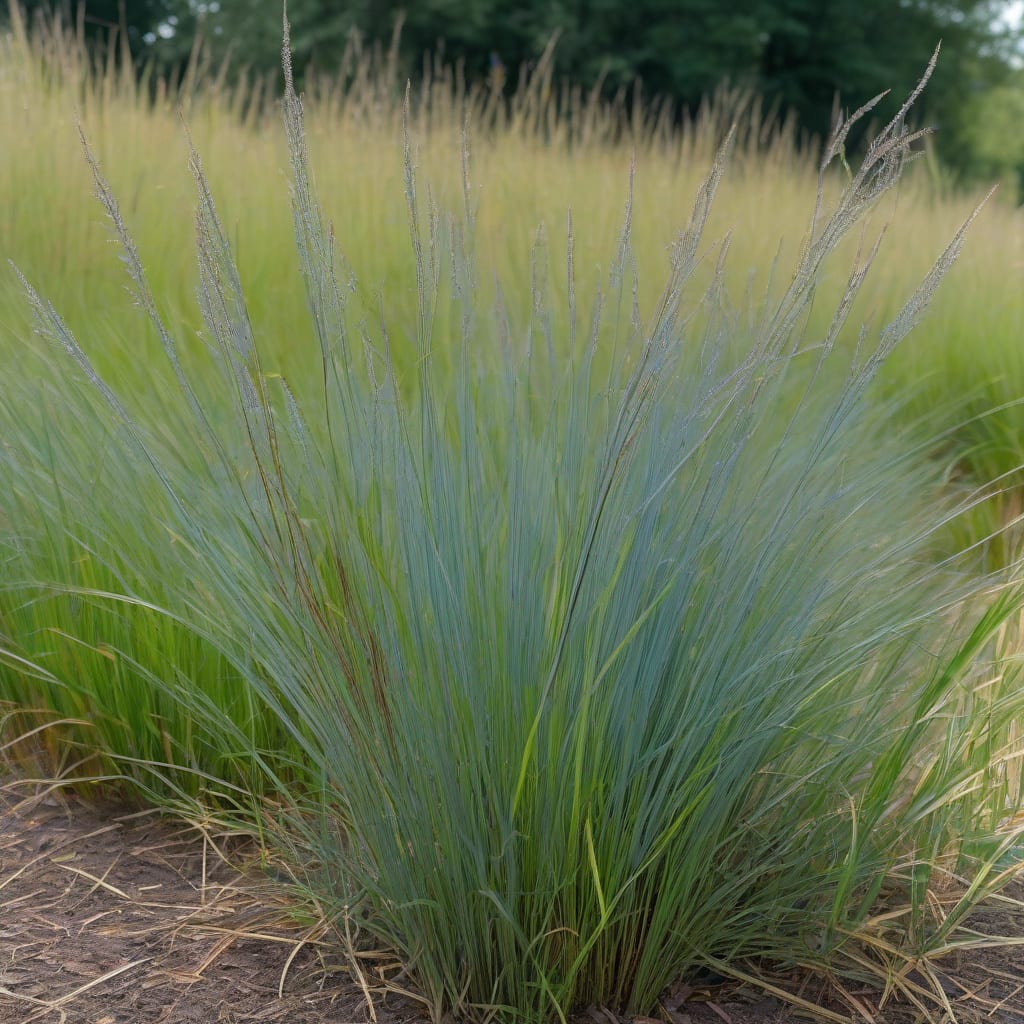
I’ve always been fascinated by the stunning blue-green foliage of Little Bluestem 🌿, a native grass that’s perfect for landscaping and restoration projects. Its impressive height makes it a popular choice among gardeners and landscapers alike.
So, just how tall does it grow? Understanding its growth patterns is key to using it effectively in your garden or landscape design. Let’s explore the factors that influence its height and how to manage it for optimal growth.

1-2 ft

2-3 ft

3-4 ft

3-4 ft
I’ve worked with Little Bluestem in various landscaping projects, and its height is one of its most striking features. Typically, this native grass grows between 2 to 4 feet tall, making it an excellent choice for adding texture and height to garden beds 🌿.
The height of Little Bluestem can vary based on several factors, including soil quality, climate conditions, and maintenance practices. Understanding these factors is crucial for managing the plant’s growth effectively.
The growth pattern of Little Bluestem is influenced by its natural habitat. In prairie environments, it often grows in clumps, reaching its full height in 3 to 4 years. The grass’s blue-green foliage turns a beautiful golden brown in the fall, adding seasonal interest 🌼.
In terms of maintenance, Little Bluestem is relatively low-maintenance. It requires minimal watering once established and can thrive in poor soil conditions. However, regular pruning can help maintain its desired height and promote healthy growth 🌱.
When planting Little Bluestem, it’s essential to consider its mature size. Spacing plants 12 to 18 inches apart allows for proper air circulation and prevents overcrowding. This spacing also helps in achieving a uniform height across the planted area 🌿.
Soil quality plays a significant role in determining the height you can achieve. Well-drained soil and adequate nutrients will support healthier and potentially taller plants 🌿.
Climate conditions also affect the height of Little Bluestem. In regions with adequate rainfall and temperate climates, the grass tends to grow more vigorously. Conversely, in drier conditions, the growth may be more limited 🌵.
Overall, understanding the factors that influence the height of Little Bluestem allows for better management and care. By providing the right conditions and maintenance, you can enjoy this beautiful native grass at its full potential 🌼.
For more information on managing Little Bluestem height and other care tips, continue reading the next section on practical maintenance techniques 🌱.
Managing the height of Little Bluestem is crucial for maintaining its aesthetic appeal and promoting healthy growth. I’ve found that regular pruning and proper maintenance practices play a significant role in achieving the desired height and density 🌿.
One effective way to manage the height is through annual pruning. Cutting back the grass in late winter or early spring helps control its height and encourages new growth 🌱.
Cut back to 2-3 inches from the ground to promote new growth and maintain desired height.
Regularly check the height and density to determine if additional pruning is needed.
Adjust your pruning schedule based on the grass’s response to ensure optimal height and health.
In addition to pruning, proper spacing during planting is essential. Spacing plants 12 to 18 inches apart allows for adequate air circulation and prevents overcrowding, which can affect the overall height and health of the grass 🌿.
Soil quality and maintenance practices also significantly impact the height and density of Little Bluestem. Ensuring well-drained soil and providing adequate nutrients will support healthier and potentially taller plants 🌱.
By implementing these strategies, you can effectively manage the height of Little Bluestem and enjoy its beautiful foliage and seasonal interest 🌼.
For more detailed information on other native grasses and their growth patterns, continue reading the next section on comparative analysis 🌿.
When designing a landscape or restoration project, understanding how Little Bluestem compares to other native grasses is crucial. I’ve worked with various native grasses, and comparing their heights helps in creating a balanced and visually appealing landscape 🌿.
Little Bluestem typically grows between 2 to 4 feet tall. This height range is comparable to other native grasses, but some species can grow taller or shorter. For example, Big Bluestem can reach heights of 4 to 6 feet, while Switchgrass can grow even taller, up to 6 feet or more 🌼.
Understanding these height differences is essential for creating a diverse and resilient landscape. By combining grasses of varying heights, you can achieve a more dynamic and interesting visual effect 🌼.
For instance, using Little Bluestem as a mid-height option between shorter and taller grasses can create a layered effect. This layering not only enhances the aesthetic appeal but also supports local biodiversity 🌱.
In conclusion, while Little Bluestem is a versatile and attractive native grass, comparing its height to other species helps in making informed decisions for your landscape or restoration project 🌿.
