
Beautiful Plants For Your Interior
Beautiful Plants For Your Interior
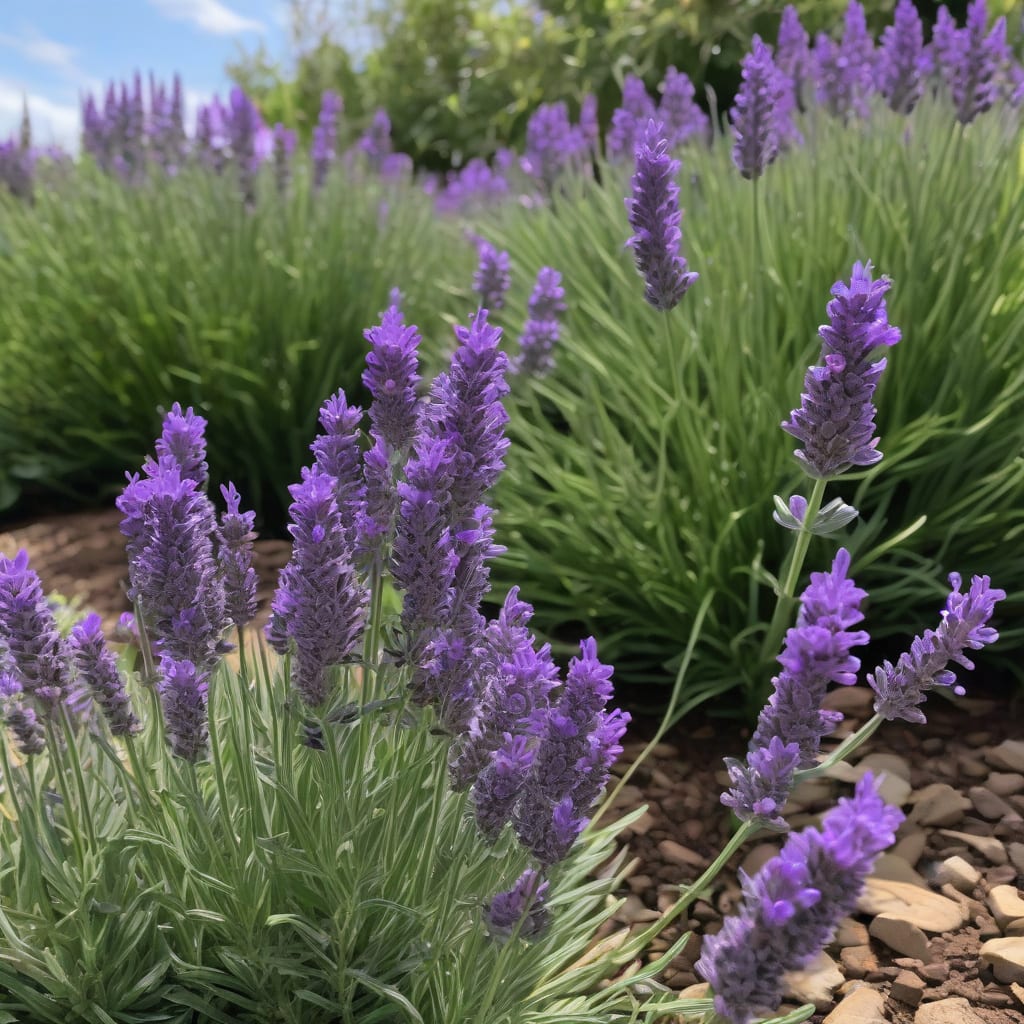
When growing Lavender 💜, one of the first questions that comes to mind is: how tall will it get? Understanding its growth habits is crucial for planning your garden or container arrangement.
Lavender typically grows between 2-3 feet tall, depending on the variety and growing conditions. Factors like soil quality, sunlight, and pruning practices can significantly impact its height and overall health.


When growing lavender, understanding its growth habits is crucial for planning your garden or container arrangement. Lavender typically grows between 2-3 feet tall, depending on the variety and growing conditions.
Factors like soil quality, sunlight, and pruning practices can significantly impact its height and overall health. Different varieties of lavender have different growth habits, ranging from compact types like Dwarf Lavender to taller varieties like English Lavender 🌿.
The height of lavender plants can vary significantly based on the specific variety. English Lavender and French Lavender are popular varieties that typically grow between 2-3 feet tall.
Dwarf Lavender, on the other hand, is a more compact variety that usually reaches heights of 1-2 feet. Understanding these differences is key to planning your garden effectively.
Growing conditions also play a crucial role in determining the height of lavender plants. Factors such as soil quality, sunlight exposure, and watering practices can all impact how tall your lavender will grow.
Lavender plants generally prefer well-draining soil and full sun to thrive. Soil that is too rich or heavy can lead to leggy growth, while insufficient sunlight can result in weak, spindly plants.
Pruning practices are another important factor in managing the height of lavender. Regular pruning can help maintain a compact, bushy shape and encourage healthy new growth. Pruning in the spring or fall is typically recommended.
By understanding these factors and choosing the right variety for your needs, you can enjoy healthy, thriving lavender plants that add beauty and fragrance to your garden or home 🌸.
For more specific guidance on growing lavender, including tips on soil preparation and pruning, continue reading the following sections.
Lavender is known for its drought tolerance and low maintenance requirements, making it an ideal choice for gardeners of all skill levels.
Whether you’re growing lavender in containers or directly in the ground, understanding its growth habits will help you provide the best care for your plants.
Understanding the factors that affect lavender height is crucial for achieving optimal growth. Lavender height can be influenced by several key elements including soil quality, sunlight exposure, and watering practices 🌿.
Lavender plants generally thrive in well-draining soil with good aeration. Heavy clay soils can lead to root rot, while sandy soils may require more frequent watering. The ideal soil pH for lavender is between 6.0 and 7.0, which is slightly acidic to neutral 🔍.
Climate conditions also play a significant role in determining lavender height. Lavender prefers dry summers and mild winters. Extreme weather conditions, such as prolonged frost or excessive rainfall, can negatively impact plant height and overall health ❄️.
In regions with hot summers, lavender may require some afternoon shade to prevent scorching. Conversely, in cooler climates, lavender benefits from full sun exposure to promote healthy growth 🌞.
By understanding and managing these factors, you can optimize the growth conditions for your lavender plants, ensuring they reach their full potential height and remain healthy 🌼.
Regular monitoring of your lavender plants’ response to their environment will help you make necessary adjustments to their care routine.
For more detailed information on managing lavender height through pruning and care, refer to the following sections.
Effective pruning practices are essential for maintaining the desired height of lavender plants and promoting healthy growth. Regular pruning helps to keep lavender compact and bushy, preventing it from becoming leggy and woody 🌿.
Prune lavender in early spring, removing dead or damaged branches to encourage new growth.
After the blooming period, shape your lavender plants to maintain their desired height and promote a bushy habit.
Regularly inspect your lavender plants for signs of overgrowth or damage, and prune as necessary to maintain their health and appearance.
In addition to pruning, proper care practices can also help manage lavender height. Ensuring that your lavender receives adequate sunlight and is planted in well-draining soil will promote healthy growth and prevent excessive height 🌞.
Watering practices should also be considered when managing lavender height. Lavender is drought-tolerant and generally requires less frequent watering, especially during the winter months 💧.
By combining effective pruning techniques with proper care practices, you can maintain the desired height of your lavender plants and enjoy their beauty and fragrance for years to come 🌸.
For more information on growing and caring for lavender, including tips on soil preparation and pest management, continue reading the following sections.
