
Beautiful Plants For Your Interior
Beautiful Plants For Your Interior
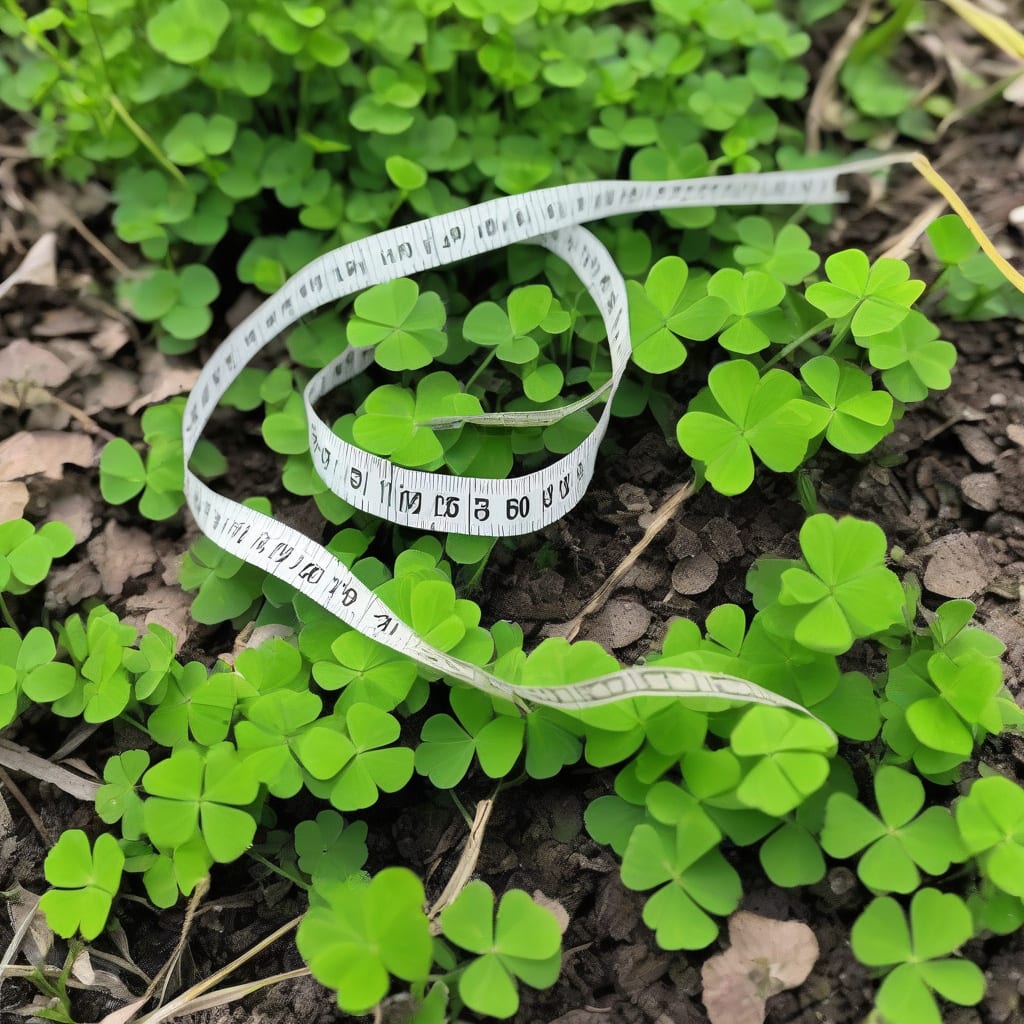
When I first planted White Clover 🌼 in my garden, I wondered how tall it would grow. Understanding its growth habits is key to managing it effectively, whether you’re using it as a groundcover or lawn alternative.
The height of White Clover can vary based on factors like soil quality, sunlight, and watering – in USDA Zone 6, it typically reaches 1-2 feet tall. Let’s explore what affects its growth and how to encourage it to thrive.

1-2 ft

1-2 ft

1-2 ft

1-2 ft
Understanding what influences clover height is crucial for effective garden management. The height of clover plants can vary significantly based on several key factors.
Clover variety, soil conditions, and maintenance practices all play important roles in determining how tall clover will grow. Different clover varieties have inherent growth habits that affect their maximum height 🌼.
The ideal growing conditions for clover include moist soil and adequate sunlight. In USDA Zone 6, White Clover typically reaches heights of 1-2 feet. Proper maintenance, such as regular mowing, can help maintain a desired height 🌿.
Soil quality is particularly important as it directly affects nutrient availability. Clover generally thrives in well-draining soil with a balanced nutrient profile. Regular watering is also crucial, especially during dry spells, to maintain consistent growth.
Mowing practices can significantly influence clover height. For lawns, regular mowing at 2-3 inches height can keep clover at a manageable level while still allowing it to flower and spread 🌱.
Different clover varieties have different growth habits. For example, white clover is generally shorter than red clover. Understanding these differences is key to managing expectations about clover height.
Sunlight exposure is another critical factor. While clover can grow in partial shade, it tends to be more vigorous and potentially taller in full sun conditions.
By considering these factors, gardeners can better manage their clover’s growth and maintain the desired height for their specific needs 🌻.
Regular maintenance, including mowing and watering, plays a crucial role in controlling clover height. By adjusting these practices, gardeners can influence how tall their clover will grow.
Overall, understanding the factors that affect clover height allows for more effective garden planning and maintenance, ensuring that clover grows to its full potential while meeting the gardener’s needs 🌼.
When it comes to managing clover height, different uses require different approaches. For lawns, maintaining a consistent height is crucial for aesthetic appeal and functionality.
I recommend regular mowing to keep clover at a manageable height. For lawns, mowing at 2-3 inches is ideal, as it allows the clover to flower and spread while maintaining a neat appearance 🌿.
Keep your lawn mower at 2-3 inches to promote healthy clover growth and prevent weed invasion.
Clover needs consistent moisture, especially during dry spells, to maintain optimal height and health.
During peak growth seasons, more frequent mowing may be necessary to maintain desired clover height 🌻.
For pastures, the management strategy differs as taller clover can be beneficial for livestock grazing. Allowing clover to grow taller can provide more forage, but it requires careful management to prevent overgrowth 🌾.
In garden beds, clover is often used as a groundcover or companion plant. Here, maintaining a shorter height can help prevent it from overwhelming other plants 🌱.
By adjusting mowing and maintenance practices according to the specific use of your clover, you can effectively manage its height and maximize its benefits 🌼.
Regular monitoring of clover height and growth conditions is essential. This allows for timely adjustments to mowing and watering schedules, ensuring that your clover remains healthy and at the desired height.
Overall, understanding the different management strategies for various uses of clover can help you make the most of this versatile plant 🌻.
When considering how tall clover will grow, it’s essential to understand that different varieties have distinct height characteristics. The most common types are white clover and red clover, each with its own growth habits.
The height of clover varieties can significantly impact their use in different garden settings. White clover, with its spreading habit, is ideal for lawns and groundcover, while red clover’s upright growth makes it suitable for pastures and wildflower mixes 🌼.
Microclover is another variety that’s gaining popularity due to its extremely low growth habit, making it perfect for areas where a very short clover is desired 🌱.
Understanding these differences helps gardeners choose the right clover variety for their specific needs, whether it’s for a lawn alternative, companion planting, or livestock forage 🌾.
By selecting the appropriate clover variety, gardeners can better manage the height and overall appearance of their garden or lawn, ensuring that it meets their aesthetic and functional requirements 🌻.
Each clover variety has its unique characteristics that influence its growth height and habit. By understanding these differences, gardeners can make informed decisions about which variety to plant 🌼.
Overall, the height of clover is an important consideration in garden planning, and choosing the right variety can help achieve the desired outcome 🌻.
