
Beautiful Plants For Your Interior
Beautiful Plants For Your Interior
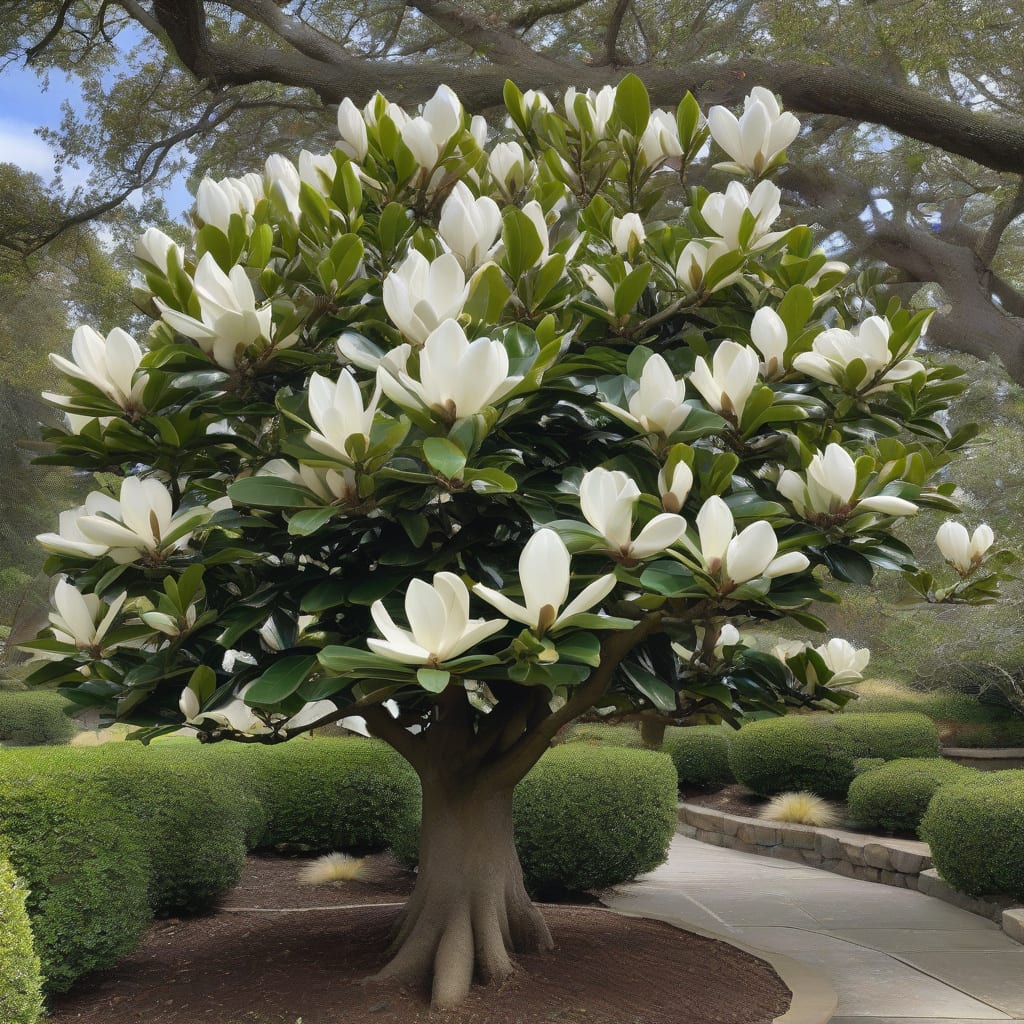
When planting a Magnolia Tree 🌳, understanding its growth potential is crucial for garden planning. These stunning trees can reach impressive heights, but their ultimate size depends on various factors.
I’ll guide you through the average height ranges of popular Magnolia Tree varieties and the factors that influence their growth, helping you make informed decisions for your landscape in USDA Zone 6.

3-5 ft

6-10 ft

10-15 ft

20-80 ft
When considering how tall a Magnolia Tree can grow, it’s essential to understand that multiple factors influence its height. The specific species of Magnolia plays a significant role, as different varieties have distinct growth patterns 🌳.
The soil conditions and environmental factors also significantly impact the tree’s growth. For instance, well-draining soil and adequate sunlight can promote healthy growth, while poor soil quality or insufficient light can hinder it.
The climate is another critical factor that affects Magnolia Tree growth. Areas with mild winters and warm summers typically support more vigorous growth, while extreme temperatures can stress the tree 🌡️.
Understanding these factors is crucial for gardeners to make informed decisions when planting and caring for their Magnolia Trees. By considering the specific needs and characteristics of their chosen variety, gardeners can optimize growing conditions and promote healthy growth 🌱.
Different Magnolia species exhibit a range of growth patterns. Some varieties naturally grow taller than others, and understanding these differences is key to managing expectations about the tree’s ultimate height 🌳.
For example, the Southern Magnolia can grow significantly taller than some other varieties. In contrast, smaller varieties like the Saucer Magnolia may have a more compact growth habit 🌼.
By recognizing the unique characteristics of their Magnolia Tree, gardeners can better anticipate and manage its growth. This knowledge allows for more effective planning and care, ensuring the tree thrives in its environment 🌿.
The age of the tree also plays a role in its growth rate. Younger trees typically grow more rapidly than older, more mature specimens. As the tree ages, its growth rate tends to slow down ⏱️.
Additionally, maintenance practices such as pruning can influence the tree’s height. Regular pruning can help control the tree’s size and shape, while neglecting to prune can lead to unchecked growth ✂️.
Overall, the height of a Magnolia Tree is the result of a complex interplay between genetic and environmental factors. By understanding and managing these factors, gardeners can promote healthy growth and achieve their desired landscape outcomes 🌳.
When considering how tall a Magnolia Tree can grow, it’s essential to examine the average and maximum heights of popular varieties 🌳. Different species of Magnolia Trees exhibit a wide range of growth patterns, and understanding these differences is crucial for garden planning.
The Southern Magnolia (Magnolia grandiflora) is one of the most well-known varieties, capable of reaching heights of 60 to 80 feet 🌲. This evergreen tree is native to the southeastern United States and is prized for its large, glossy leaves and fragrant flowers.
The Saucer Magnolia (Magnolia × soulangeana) is another popular variety, typically growing to 20 to 30 feet tall 🌼. This deciduous tree is known for its stunning tulip-shaped flowers that bloom in early spring.
The Star Magnolia (Magnolia stellata) is a smaller variety, reaching heights of 15 to 20 feet 🌺. It’s a popular choice for smaller gardens due to its compact growth habit and beautiful star-shaped flowers.
Understanding the average and maximum heights of different Magnolia Tree varieties is essential for selecting the right tree for your garden 🌳. By considering the mature size of the tree, you can ensure proper spacing and avoid potential issues with power lines or other structures.
Gardeners should also consider factors like soil quality and sunlight when planting a Magnolia Tree 🌞. Well-draining soil and adequate sunlight can promote healthy growth, while poor conditions may limit the tree’s potential height 🌱.
By choosing the right Magnolia Tree variety for your garden and providing optimal growing conditions, you can enjoy the beauty and stature of these magnificent trees for years to come 🌲.
Managing the height of your Magnolia Tree is crucial for maintaining a balanced landscape 🌳. Proper care and maintenance can help control the tree’s size while promoting healthy growth.
Prune your Magnolia Tree immediately after it finishes blooming to avoid cutting off next year’s flowers ✂️.
Pruning is an effective way to manage the height of your Magnolia Tree. By removing select branches, you can control the tree’s size and shape while promoting healthy growth 🌿.
When pruning your Magnolia Tree, focus on removing dead or damaged branches first ✂️. This helps maintain the tree’s overall health and appearance.
Regular maintenance is also essential for managing your Magnolia Tree’s height 🌳. This includes watering, fertilizing, and monitoring for pests or diseases.
By following these maintenance tips, you can help keep your Magnolia Tree healthy and thriving while controlling its height 🌟.
Proper planting considerations can also impact the long-term height of your Magnolia Tree 🌳. Choosing the right location with adequate space for the tree to grow is crucial.
By understanding how to manage the height of your Magnolia Tree, you can enjoy its beauty and benefits for years to come 🌲.
