
Beautiful Plants For Your Interior
Beautiful Plants For Your Interior
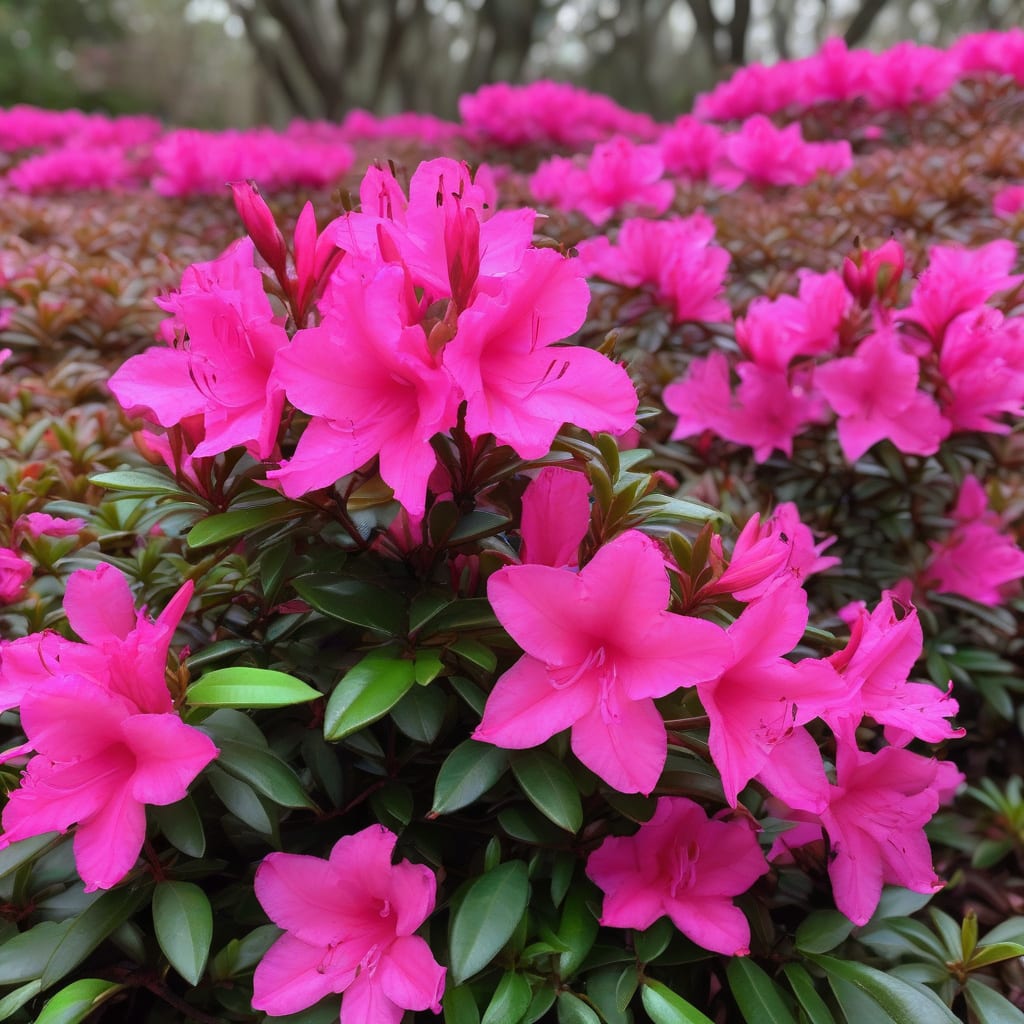
I’ve always been fascinated by Azaleas 🌺 and their vibrant blooms that can transform any garden. But have you ever wondered just how tall these beautiful shrubs can grow? Understanding their growth potential is key to proper placement and care in your garden.
Azaleas can grow between 2 to 8 feet tall, depending on the variety and growing conditions in your USDA Zone 6 garden. Let’s explore the factors that influence their height and how you can manage their growth to create the perfect landscape.


I’ve found that azaleas can grow anywhere from 2 to 8 feet tall, depending on the variety and growing conditions. The height potential of azaleas is influenced by several key factors that every gardener should understand.
The variety of azalea is a significant determinant of its mature height. For instance, dwarf varieties typically top out at 2-4 feet, while standard varieties can reach heights of 6-8 feet. Understanding the specific type of azalea you’re growing is crucial for managing expectations about its growth.
Growing conditions play a crucial role in determining the actual height of azaleas. Soil quality is particularly important, as azaleas prefer acidic soil with good drainage. Sunlight exposure is another critical factor; azaleas generally thrive in partial shade, receiving 4-6 hours of filtered sunlight daily. Watering practices also impact growth, with consistent moisture promoting healthier development.
Maintenance practices, particularly pruning, significantly influence azalea height. Regular pruning not only controls the size but also encourages healthier growth and more prolific blooming. The timing and technique of pruning are critical to achieving the desired height while maintaining the plant’s overall health 🌺.
By understanding these factors and how they interact, gardeners can better manage the growth of their azaleas. Whether you’re looking to maintain a compact hedge or showcase a specimen plant, knowing how tall your azalea can grow helps in planning your garden layout effectively.
Azaleas are known for their adaptability and relatively low maintenance requirements. With proper care, they can thrive in a variety of garden settings, providing vibrant color and texture throughout the growing season.
For gardeners in USDA Zone 6, where azaleas are well-suited, the plants typically bloom in early spring, adding a burst of color to the landscape after a dormant winter. This blooming period is a highlight of the gardening year for many enthusiasts.
The mature height of azaleas can also be influenced by their evergreen or deciduous nature. Evergreen azaleas retain their leaves year-round, providing continuous structure and interest in the garden, while deciduous azaleas offer a dramatic display of flowers before their leaves drop in fall.
When selecting azaleas for your garden, considering the mature height is essential for proper placement. Planting azaleas too close to walkways or other plants can lead to overcrowding as they reach their full size.
In conclusion, understanding the maximum height potential of azaleas involves considering the variety, growing conditions, and maintenance practices. By managing these factors, gardeners can enjoy these beautiful shrubs at their best, whether in a compact or more expansive garden setting 🌺.
With the right care and placement, azaleas can be a stunning addition to any garden, offering beauty and vibrancy throughout the seasons.
I’ve found that managing azalea height effectively requires a combination of proper pruning techniques and ongoing care. The key to maintaining the desired height while promoting healthy growth lies in understanding when and how to prune these beautiful shrubs.
Pruning azaleas is typically done immediately after they finish blooming in spring. This timing is crucial because it allows you to shape the plant without removing the next year’s flower buds. When pruning, focus on removing dead or damaged branches first, as this improves the overall health of the plant.
Evaluate the azalea’s current height and shape, identifying areas that need pruning to achieve your desired height and form.
Cut back any dead, diseased, or damaged branches to healthy wood, making clean cuts just above a bud or lateral branch.
Selectively prune branches that are growing beyond your desired height or shape, cutting back to a bud or lateral branch to maintain the plant’s natural appearance.
Remove some of the interior branches to improve air circulation and light penetration, promoting healthier growth and more even flowering.
In addition to pruning, other care practices can influence azalea height. Fertilization plays a role in overall plant health and growth rate. Using an acidic fertilizer in early spring supports healthy development. It’s also important to maintain consistent moisture during the growing season, as drought stress can impact growth patterns.
For gardeners looking to maintain a compact azalea, regular pruning is essential. By following these steps and maintaining proper care practices, you can enjoy your azaleas at the desired height while promoting their overall health and vibrancy 🌺.
Azaleas respond well to mulching around their base, which helps retain moisture and regulate soil temperature. This practice supports healthy root development and can contribute to more vigorous growth.
When pruning azaleas, it’s crucial to use sharp, clean tools to prevent spreading diseases. Making clean cuts just above a bud or lateral branch encourages new growth and helps maintain the plant’s natural shape.
By combining proper pruning techniques with ongoing care practices like fertilization and mulching, gardeners can effectively manage azalea height while promoting overall plant health. This balanced approach ensures that azaleas remain a beautiful and vibrant part of the garden landscape.
The key to successful azalea management is consistency. Regular maintenance, including annual pruning and appropriate fertilization, helps keep these plants healthy and thriving at the desired height.
With the right care and pruning practices, azaleas can be maintained at a height that suits your garden design while continuing to provide their stunning floral displays each spring.
When selecting azaleas for your garden, understanding the mature height of different varieties is crucial for proper placement. I’ve found that azaleas come in various sizes, ranging from compact dwarf varieties to taller standard types 🌺.
The mature height of azaleas varies significantly between different varieties. Dwarf azaleas typically grow to be 2-4 feet tall, making them ideal for small gardens or border plantings. Semi-dwarf varieties reach heights of 4-6 feet, suiting foundation plantings or mid-sized garden spaces. Standard azaleas are the tallest, growing up to 6-8 feet, and are often used as specimen plants or in larger landscape designs 🌺.
When choosing an azalea variety, consider the available space in your garden and how the mature height of the plant will fit into your overall landscape design. Proper selection based on mature height ensures that your azaleas have enough room to grow without becoming overcrowded or requiring excessive pruning.
It’s also worth noting that while azaleas can be pruned to maintain a desired height, selecting a variety that naturally fits your space requirements will result in healthier plants and less maintenance over time.
By understanding the different azalea varieties and their typical mature heights, gardeners can make informed decisions when selecting plants for their gardens, ensuring a beautiful and balanced landscape 🌺.
