
Beautiful Plants For Your Interior
Beautiful Plants For Your Interior
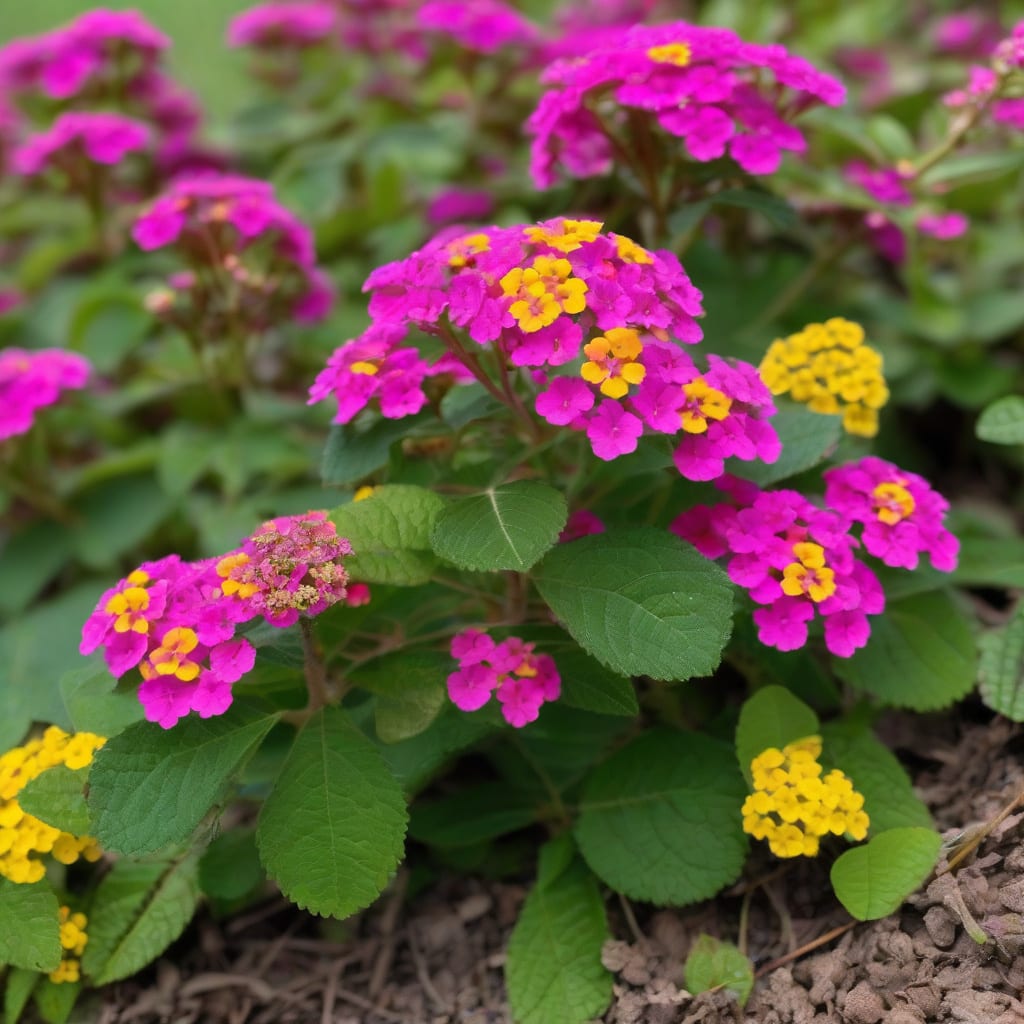
Lantana plants 🌼 are a gardener’s delight, known for their vibrant flower clusters and ability to thrive in various conditions. But have you ever wondered just how tall they can grow?
In USDA zone 9b, lantana plants can reach heights of 2-6 feet, making them a great addition to gardens and landscapes. Let’s explore what affects their growth and how to maximize their height.


Lantana plants are known for their vibrant clusters of flowers and ability to thrive in various conditions. One of the most common questions gardeners ask is about the height of these plants. Understanding the factors that influence lantana height can help you maximize their growth potential 🌼.
Lantana plants typically grow between 2-6 feet tall, with some varieties reaching heights of up to 6 feet or more in ideal conditions. The average height range for most lantana varieties is between 3-4 feet. Factors such as climate, soil quality, and pruning practices can significantly impact the final height of your lantana plants.
The height of lantana plants can be influenced by several factors, including climate, soil quality, and pruning practices. In USDA zone 9b, lantana plants thrive in the warm temperatures and can reach their maximum height potential. Understanding these factors can help you create optimal growing conditions for your lantana plants.
Let’s explore some key factors that affect lantana height. First, sunlight exposure plays a crucial role in determining how tall lantana plants will grow. These plants require full sun to thrive, needing at least 6 hours of direct sunlight daily. Inadequate sunlight can result in leggy growth and reduced flowering.
Another important factor is soil quality. Lantana plants prefer well-draining soil with a slightly acidic to neutral pH (5.5-7.0). Soil that’s too rich can promote foliage growth at the expense of flowers. Fertilization should be balanced, using a 10-10-10 NPK formula during the growing season (spring-fall).
Watering practices also impact lantana height. While these plants are drought-tolerant once established, consistent moisture during the growing season promotes better growth. Water deeply but infrequently to encourage deep root growth. In areas with poor drainage, consider raised beds or containers to prevent root rot.
Finally, pruning practices significantly influence lantana height and shape. Regular pruning not only controls the plant’s size but also encourages bushier growth and more abundant flowering. Prune back hard in late winter or early spring before new growth begins. This practice helps maintain a compact shape and promotes vigorous growth during the upcoming season 🌱.
By understanding these factors and implementing proper care techniques, you can help your lantana plants reach their full height potential while maintaining a healthy, vibrant appearance throughout the growing season.
While we’ve covered the main factors influencing lantana height, there are additional considerations to keep in mind. For instance, temperature fluctuations can impact growth. Lantana plants thrive in warm temperatures between 65-85°F (18-29°C). Temperatures outside this range can slow growth or cause stress to the plant.
Pest and disease management is another crucial aspect. Regular monitoring for pests like aphids, whiteflies, and spider mites can prevent damage that might stunt growth. Similarly, maintaining good air circulation around plants helps prevent fungal diseases that could impact overall health and height 🌿.
Lastly, consider the planting location. Lantana performs best when planted in areas that receive full sun and have good air circulation. Avoid planting in low-lying areas where cold air might settle, as this can damage the plant and affect its height.
By taking these factors into account and providing optimal care, you can maximize the height and overall health of your lantana plants, ensuring they thrive in your garden or landscape.
To encourage lantana plants to reach their maximum height, gardeners can employ several expert techniques. First and foremost, proper pruning practices are essential. Pruning lantana back hard in late winter or early spring before new growth begins helps maintain a compact shape and promotes vigorous growth during the upcoming season 🌿.
Another critical factor is soil quality and fertilization. Lantana plants prefer well-draining soil with a slightly acidic to neutral pH (5.5-7.0). Using a balanced fertilizer (10-10-10 NPK) during the growing season (spring-fall) supports healthy growth. However, avoid over-fertilizing, as this can lead to excessive foliage growth at the expense of flowers.
Ensure lantana plants receive full sun with at least 6 hours of direct sunlight daily. This promotes healthy growth and maximizes height potential.
Water lantana plants deeply but allow the soil to dry slightly between waterings. This encourages deep root growth and helps plants reach their maximum height.
Regularly inspect your lantana plants for pests like aphids, whiteflies, and spider mites. Use organic pest control methods whenever possible to prevent damage that could stunt growth 🌻.
In addition to these techniques, maintaining good air circulation around your lantana plants is crucial. This helps prevent fungal diseases that could impact overall health and height. By following these expert tips and providing optimal care, you can help your lantana plants reach their full height potential and enjoy their vibrant blooms throughout the growing season.
It’s also worth noting that temperature fluctuations can impact lantana growth. While lantana thrives in warm temperatures between 65-85°F (18-29°C), extreme temperatures can cause stress. Protecting your plants from frost and providing shade during intense heatwaves can help maintain optimal growing conditions.
By combining these strategies and tailoring your care to the specific needs of your lantana plants, you can create an environment that supports maximum height and overall plant health. Regular monitoring and adjustments to your care routine will ensure your lantana continues to thrive and reach its full potential 🌼.
Lantana plants can face several challenges that may limit their growth and height. Understanding these potential issues is crucial for maintaining healthy and vibrant plants 🌼.
One common challenge is pest infestations. Pests like aphids, whiteflies, and spider mites can damage lantana plants, stunting their growth. Regular monitoring and using organic pest control methods can help mitigate this issue.
Regularly inspect your lantana plants for signs of pests or diseases. Early detection is key to preventing damage that could stunt growth.
Diseases are another significant challenge. Fungal diseases, in particular, can impact lantana health and height. Ensuring good air circulation around plants and avoiding overhead watering can help prevent these issues.
Unfavorable growing conditions, such as extreme temperatures or poor soil quality, can also affect lantana height. Protecting plants from frost and ensuring they are in well-draining soil can help maintain optimal growing conditions 🌿.
By being aware of these potential challenges and taking proactive steps to address them, you can help your lantana plants reach their full height potential and enjoy their vibrant blooms throughout the growing season.
