
Beautiful Plants For Your Interior
Beautiful Plants For Your Interior
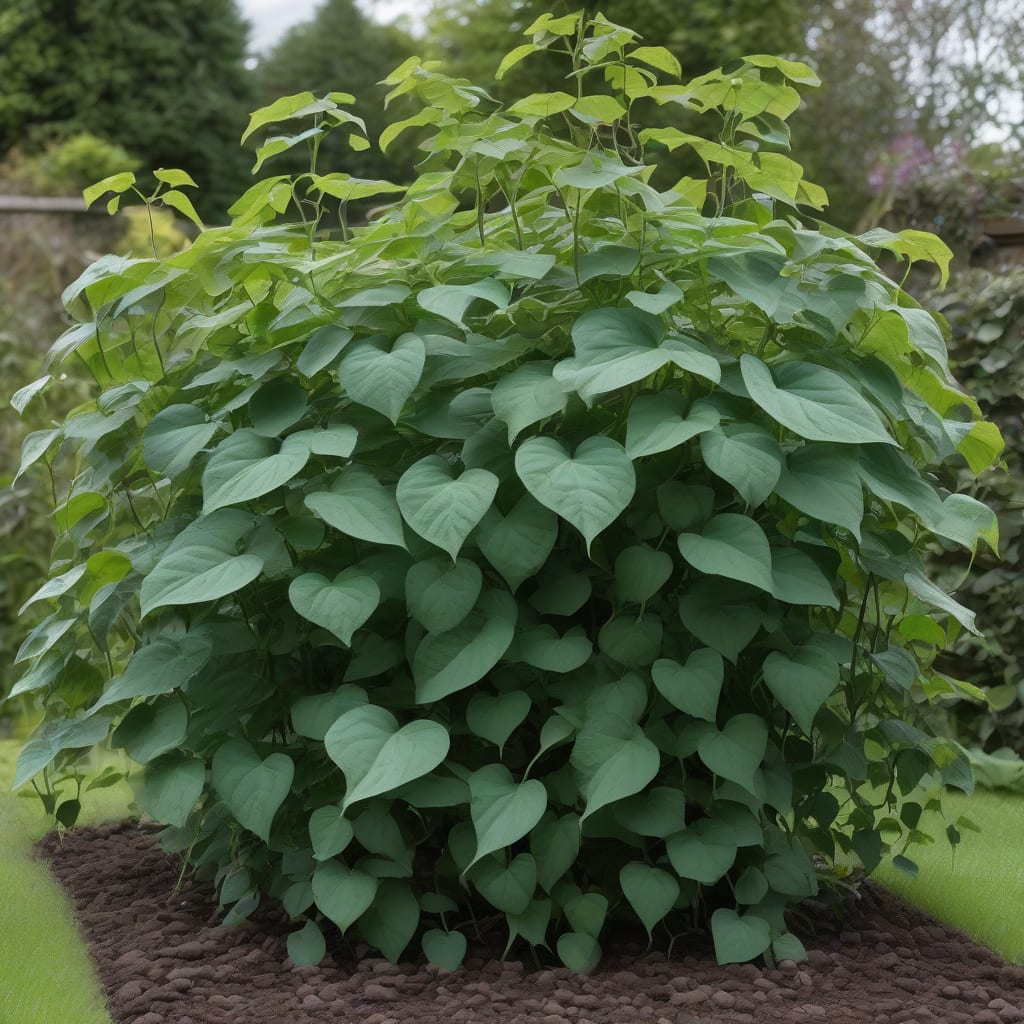
As a gardener, understanding how tall your Bean plants 🌽 can grow is crucial for maximizing your harvest. Bean plants can reach heights of 4-6 feet, requiring proper support to thrive.
In this guide, we’ll explore the factors that influence Bean plant height in USDA Zone 6 and provide expert tips on how to encourage maximum growth. Let’s dive into the details to help you get the most out of your Bean crop.

4-6 ft

4-6 ft

4-6 ft

4-6 ft
Understanding the factors that influence bean plant height is crucial for gardeners to provide the right support and maximize their harvest. Bean plants can grow to varying heights depending on several key factors.
The height of bean plants is primarily determined by their variety, with some types naturally growing taller than others. For example, pole beans can reach heights of 6 feet or more, while bush beans typically top out at around 2-3 feet. 🌱
The soil quality plays a significant role in bean plant height. Beans grown in well-draining, nutrient-rich soil tend to grow taller and healthier. Soil that is too dense or lacking in essential nutrients can limit plant growth.
Sunlight is another critical factor. Beans require full sun to grow tall, needing at least 6 hours of direct sunlight daily. Inadequate sunlight can result in leggy plants that are more susceptible to disease and pests.
Watering practices also impact bean plant height. Consistent moisture promotes healthy growth, with beans needing about 1 inch of water per week. Both underwatering and overwatering can stress plants and limit their growth potential.
Finally, providing proper support is essential for maximizing bean plant height. Using trellises, stakes, or other support structures allows beans to grow vertically, making the most of available space and promoting healthier plants. 🌼
By understanding and optimizing these factors, gardeners can help their bean plants reach their full height potential and enjoy a bountiful harvest.
Different bean varieties have unique growth characteristics that affect their height. Understanding these differences is key to selecting the right variety for your garden.
Pole beans are known for their climbing ability and can grow quite tall, often reaching heights of 6 feet or more. These beans require sturdy support to maximize their growth.
Bush beans, on the other hand, are more compact and typically grow to be around 2-3 feet tall. They are often preferred by gardeners with limited space.
The specific cultivar within a bean variety can also influence height. Some cultivars are bred for specific traits, such as increased height or disease resistance.
By choosing the right bean variety and cultivar, gardeners can better predict and manage the height of their plants.
In conclusion, multiple factors contribute to the height of bean plants, including variety, soil quality, sunlight, watering, and support. By optimizing these factors, gardeners can help their bean plants reach their maximum height potential.
To maximize bean growth and help plants reach their full height potential, gardeners can employ several effective techniques. First, it’s essential to understand that beans are climbing plants that need proper support to grow tall.
Using trellises or stakes is a simple yet effective way to encourage vertical growth. For pole beans, a sturdy trellis can help them reach heights of 6 feet or more. 🌿
Sow bean seeds 1-2 inches deep to promote strong root development and healthy growth.
Maintain consistent moisture by watering beans regularly, especially during dry spells.
Use a balanced fertilizer to provide essential nutrients for healthy bean plant growth.
In addition to these techniques, maintaining good soil quality is crucial. Beans thrive in well-draining, nutrient-rich soil. Adding compost or well-rotted manure can improve soil fertility and structure, promoting healthier plant growth.
Proper spacing is also vital. Planting beans too close together can lead to overcrowding, which can limit growth and increase the risk of disease. Ensure that beans have enough space to grow and receive adequate sunlight.
By implementing these strategies, gardeners can create an optimal growing environment for their bean plants, helping them reach their maximum height potential and enjoy a bountiful harvest. 🌼
Regular monitoring and maintenance are also key to maximizing bean growth. Keep an eye out for signs of pests or diseases, and take action promptly to prevent any issues from spreading.
In summary, maximizing bean growth requires a combination of proper support, adequate watering, balanced fertilization, and good soil quality. By following these tips and techniques, gardeners can help their bean plants thrive and reach their full height potential.
Gardeners often make mistakes that can limit the height of their bean plants. One common error is poor soil preparation. Beans need well-draining, nutrient-rich soil to grow tall and healthy.
Another mistake is inadequate support. Pole beans, in particular, require sturdy support to reach their full height potential. Without proper support, they can become tangled and fail to grow as tall as they should. 🌿
Common pitfalls like poor soil and lack of support can significantly impact bean plant height. Be aware of these issues to maximize your harvest.
Overcrowding is another issue that can limit bean plant height. When beans are planted too close together, they compete for resources like light, water, and nutrients. This competition can result in weaker, less vigorous plants that don’t reach their full height potential.
Inconsistent watering practices can also negatively impact bean plant height. Beans need consistent moisture, especially when they’re producing pods. Both underwatering and overwatering can stress plants and limit their growth.
To avoid these common mistakes, gardeners should focus on providing optimal growing conditions for their bean plants. This includes preparing the soil properly, providing adequate support, maintaining proper spacing, and watering consistently.
By being aware of these potential pitfalls and taking steps to avoid them, gardeners can help their bean plants reach their maximum height potential and enjoy a more bountiful harvest. 🌼
In summary, avoiding common mistakes like poor soil preparation, inadequate support, overcrowding, and inconsistent watering is crucial for maximizing bean plant height.
