
Beautiful Plants For Your Interior
Beautiful Plants For Your Interior
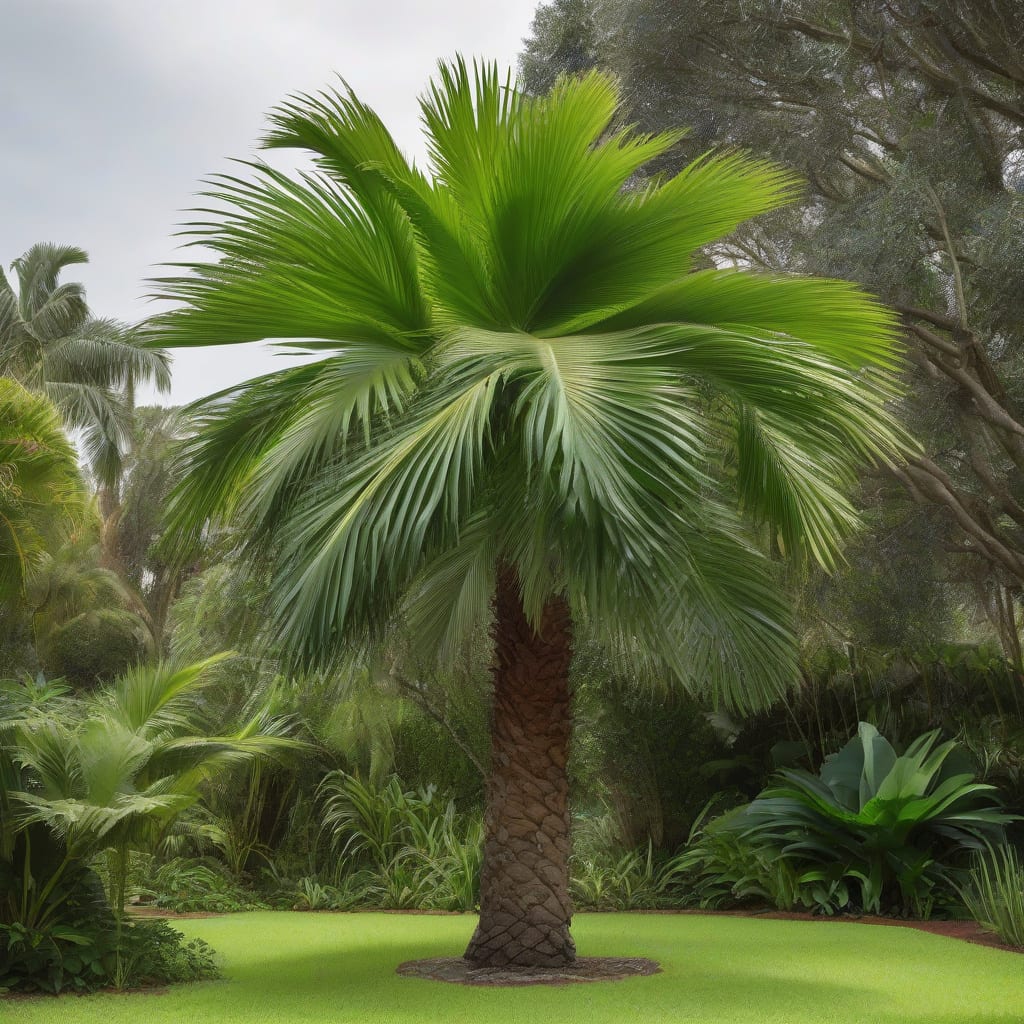
I’ve always been fascinated by the majestic Palm Tree 🌴, particularly their impressive height potential. Growing in USDA Zone 10, these trees can reach remarkable heights under the right conditions.
The maximum height of a Palm Tree varies significantly across different species, ranging from 15 to 80 feet. Let’s explore what influences their growth and how to care for them to achieve optimal height.


Palm trees are known for their impressive height capabilities, but different species have varying growth potentials. Some palms remain relatively short, while others can tower above the landscape 🌴.
The maximum height of palm trees ranges from 15 to 80 feet, depending on the species and growing conditions. Let’s explore some of the tallest and most common palm species and their height characteristics.
The Quindío Wax Palm is one of the tallest palm species, reaching heights of up to 200 feet in its natural habitat. Other notable tall palms include the Royal Palm and Areca Palm, which can grow to 100 feet and 50 feet, respectively.
On the other end of the spectrum, some palm species like the Sago Palm remain relatively short, typically growing to around 10 feet tall. Understanding the mature height of different palm species is crucial for selecting the right tree for your landscape.
When choosing a palm tree, consider factors such as climate, soil quality, and available space to ensure the tree reaches its full potential height. Proper care and maintenance can also promote healthy growth and optimal height.
Some palm species are naturally more compact, making them ideal for smaller landscapes or container gardens. Others require more space to grow and thrive.
The height potential of palm trees is influenced by various factors, including genetics, climate, and cultivation practices. By understanding these factors, you can better care for your palm trees and help them reach their maximum height.
Different palm species have unique growth habits and characteristics that affect their height potential. For example, some palms have a single stem, while others have multiple stems that can impact their overall height.
Regular maintenance, such as pruning dead fronds and fertilizing, can help promote healthy growth and maximize height potential. It’s also essential to provide adequate water and nutrients for optimal growth.
By selecting the right palm species for your climate and providing proper care, you can enjoy a thriving and majestic palm tree that reaches its full height potential 🌴.
Palm tree height is influenced by multiple factors that interact to determine their maximum growth potential. Understanding these elements helps in selecting the right palm species for specific growing conditions 🌴.
The primary factors affecting palm tree height include climate, soil quality, and water availability. These elements work together to create optimal growing conditions for palm trees.
Tropical climates with consistent warmth promote faster growth, while temperate regions may slow development. Most palms thrive in USDA Zone 10 where frost is minimal.
Well-draining soil rich in nutrients supports healthy root development and overall height growth. Regular fertilization with a balanced NPK ratio enhances palm health.
Consistent moisture levels promote healthy growth, while drought conditions can stunt palm development. Watering needs vary by season, with more frequent watering during summer months.
Additional factors such as sunlight exposure and maintenance practices also play crucial roles in determining palm tree height. Full sun conditions typically result in more vigorous growth compared to shaded environments.
Regular maintenance practices like pruning dead fronds and fertilization contribute to overall palm health and maximum height potential. Proper care helps prevent nutrient deficiencies that could limit growth.
Different palm species have varying requirements for optimal height growth. Understanding these specific needs helps in creating ideal growing conditions for various palm types.
By managing these factors effectively, you can help your palm trees achieve their maximum height potential while maintaining their health and structural integrity 🌿.
When incorporating palm trees into landscaping projects, understanding their height potential is crucial for creating balanced and visually appealing designs 🌴.
Palm trees can add a dramatic vertical element to landscapes, but their mature height must be considered to avoid future maintenance issues or necessary removals.
When planting tall palm species, consider their mature height and leave sufficient space for growth to avoid future pruning needs.
For smaller landscapes, selecting dwarf or semi-dwarf palm varieties can help maintain a more manageable height while still providing the desired tropical aesthetic.
Regular maintenance practices such as pruning dead fronds not only maintain the palm’s appearance but also contribute to its overall health and structural integrity.
Proper spacing between palm trees is essential to prevent overcrowding and ensure each tree receives adequate sunlight and air circulation, promoting healthy growth.
When designing with tall palms, consider their placement in relation to buildings and other landscape features to create a harmonious and balanced outdoor space 🌿.
By carefully selecting the right palm species and implementing appropriate maintenance practices, you can enjoy the beauty and benefits of tall palm trees in your landscape for years to come.
