
Beautiful Plants For Your Interior
Beautiful Plants For Your Interior
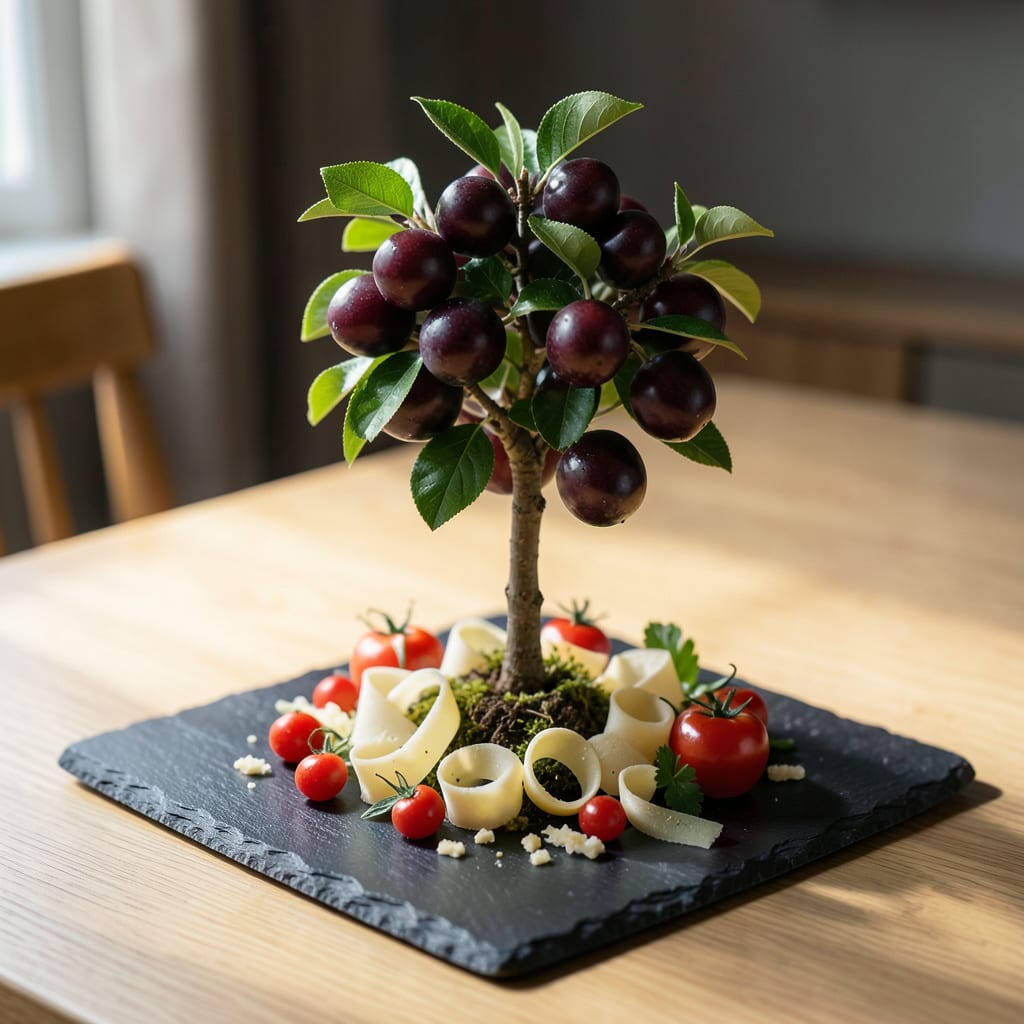
I’ve always been fascinated by Plum Trees 🌳 and their growth patterns. Understanding how tall they can grow is crucial for proper garden management.
Plum Trees can reach heights of 15-25 feet when mature, depending on factors like rootstock and variety. Let’s explore the factors that affect their height and how to manage them effectively.
I’ve found that several key factors influence how tall plum trees can grow. The rootstock plays a crucial role in determining the tree’s overall size and vigor.
The variety of plum tree is another important consideration, as different types have distinct growth habits. For example, dwarf varieties naturally grow shorter than standard ones.
Soil conditions also significantly impact plum tree growth. Trees grown in well-draining soil with adequate nutrients tend to grow healthier and stronger.
The climate is another critical factor, as plum trees prefer full sun and moderate temperatures. Extreme weather conditions can affect their growth patterns.
Understanding these factors helps gardeners make informed decisions about planting and caring for their plum trees. By choosing the right variety and providing optimal conditions, gardeners can promote healthy growth and maximize their harvest.
Pruning is another essential aspect of managing plum tree height. Regular pruning helps control the tree’s size and encourages fruit production. By pruning annually, gardeners can maintain a balanced tree structure and promote healthy growth.
It’s also worth noting that dwarf rootstocks are often used to control tree size in commercial orchards. These rootstocks can help reduce the overall height of the tree while maintaining its productivity.
In addition to rootstock and variety, soil quality plays a significant role in determining plum tree height. Trees grown in fertile soil with good drainage tend to grow more vigorously.
Climate conditions, such as temperature and sunlight, also impact plum tree growth. Trees grown in areas with mild winters and cool summers tend to grow more slowly than those in areas with more extreme temperatures.
By understanding these factors and how they interact, gardeners can better manage their plum trees and achieve optimal growth and fruit production.
Overall, managing plum tree height requires a combination of good horticultural practices, including proper pruning, fertilization, and soil management.
I recommend understanding how to manage plum tree height to maximize fruit production. Proper pruning techniques are essential for controlling tree size and promoting healthy growth.
Pruning helps maintain a balanced tree structure, encourages fruit production, and removes any dead or diseased branches. It’s best to prune plum trees annually during their dormant season.
Cut off any branches that are dead, diseased, or damaged to prevent the spread of disease and encourage healthy growth.
Remove select branches from the center to allow more sunlight to penetrate and promote air circulation.
Prune the tree to maintain its desired shape and size, promoting a balanced structure that supports fruit production.
Training methods also play a crucial role in managing plum tree height. Techniques like espaliering or open center training can help control the tree’s size while maximizing fruit production.
Regular maintenance is necessary to keep the tree healthy and productive. This includes monitoring for pests and diseases, fertilizing as needed, and ensuring the tree receives adequate water and sunlight.
By combining proper pruning techniques with effective training methods and regular maintenance, gardeners can manage their plum tree’s height and enjoy a bountiful harvest.
It’s also important to consider the rootstock when planting a new plum tree. Dwarf or semi-dwarf rootstocks can help control the tree’s size from the outset.
Overall, managing plum tree height requires a combination of good horticultural practices and regular maintenance. By following these tips, gardeners can promote healthy growth and maximize their fruit production.
When it comes to growing plum trees, selecting the right variety is crucial, especially when considering the space available in your garden. Different plum tree varieties have distinct growth habits and mature heights, making some more suitable for smaller gardens than others 🌳.
I recommend considering the mature height of the plum tree variety when selecting a tree for your garden. Dwarf and semi-dwarf varieties are great options for smaller spaces, while standard varieties are better suited for larger gardens.
Understanding the growth characteristics of different plum tree varieties can help you make an informed decision and ensure that your tree thrives in its environment.
When choosing a plum tree variety, it’s also essential to consider factors like climate, soil conditions, and desired fruit characteristics. By taking these factors into account, you can select a variety that meets your needs and preferences.
In my experience, selecting the right plum tree variety can make a significant difference in the tree’s overall health and productivity. By choosing a variety that is well-suited to your garden’s conditions, you can enjoy a bountiful harvest for years to come 🌟.

