
Beautiful Plants For Your Interior
Beautiful Plants For Your Interior
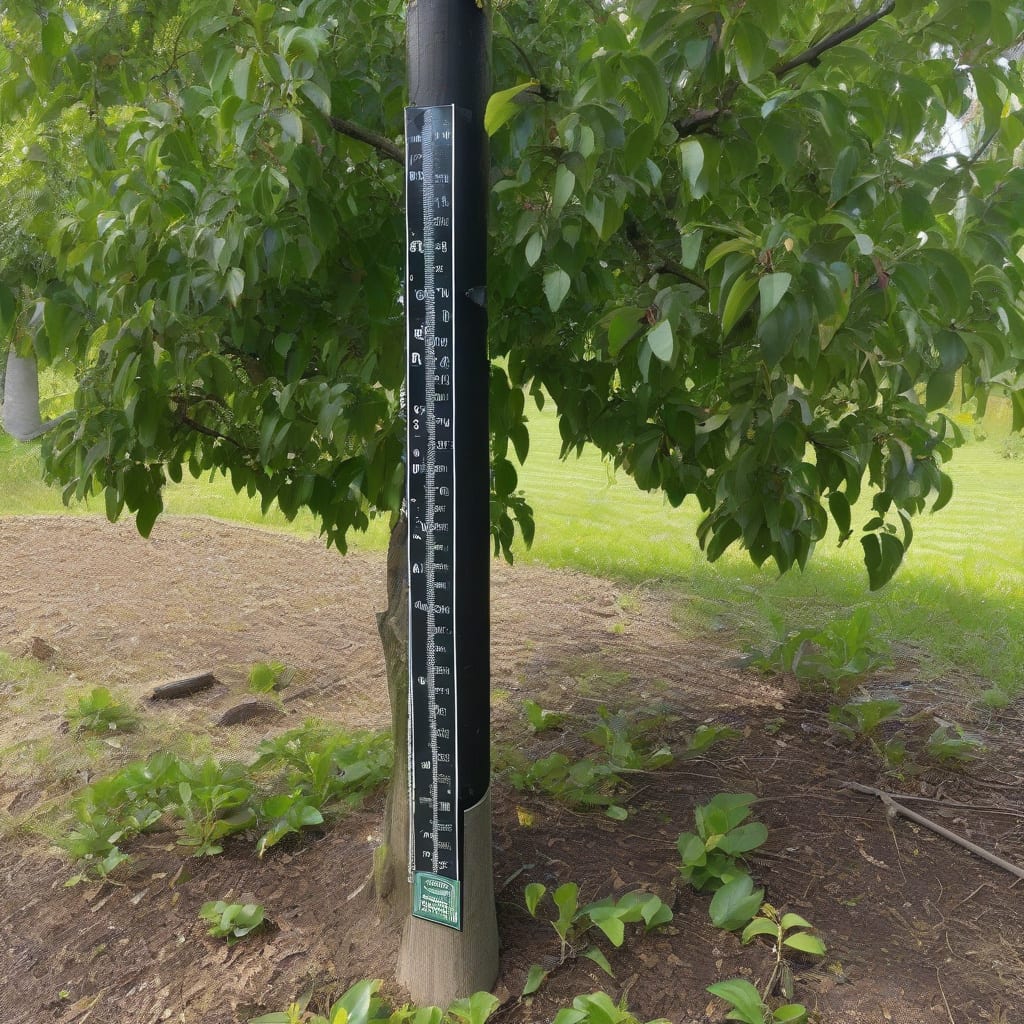
When planning your garden, understanding how tall your Plum Tree 🌳 will grow is crucial for both fruit production and landscape design. The height of your tree affects not just the available space, but also how easily you can harvest your plums.
In USDA Zone 6, Plum Trees can grow to varying heights depending on factors like rootstock and variety. Let’s explore what you can expect and how to manage your tree’s growth for optimal results.


Understanding the factors that influence how tall plum trees grow is essential for effective garden planning and maintenance. The height of your plum tree affects not just the available space, but also how easily you can harvest your plums.
Several key factors determine the ultimate height of your plum tree, including the rootstock, variety, soil quality, and climate conditions. Let’s explore these factors in more detail to help you make informed decisions for your garden 🌳.
The rootstock is a critical factor in determining how tall your plum tree will grow. Dwarf rootstocks result in smaller trees, while standard rootstocks allow for taller growth. For example, a dwarf rootstock might limit your tree to 8-12 feet, while a standard rootstock could allow it to reach 15-25 feet.
The specific plum variety also plays a significant role in height growth. Some plum varieties are naturally more compact, while others tend to grow taller. For instance, Japanese plum trees tend to be more vigorous than European plum trees.
Soil quality is another important factor. Plum trees prefer well-draining soil with a pH between 6.0 and 7.0. Soil that is too dense or too alkaline can limit root growth, affecting the tree’s overall height.
Climate conditions also impact height growth. Plum trees thrive in USDA Zone 6, where they experience 180 frost-free days. Adequate chill hours and proper sunlight exposure are crucial for healthy growth.
By understanding these factors, you can better predict and manage the height of your plum tree, ensuring it thrives in your garden environment 🌿.
Proper care and maintenance can also influence the height and overall health of your plum tree. Regular watering, fertilization, and pruning are essential practices to keep in mind.
For example, watering your plum tree weekly during the growing season helps maintain consistent moisture levels. A balanced fertilizer applied every 6 weeks during the growing season can provide necessary nutrients for healthy growth.
Pruning is another critical aspect of managing your plum tree’s height. By pruning your tree annually, you can control its size and promote fruit production. We’ll explore pruning techniques in more detail later in this guide.
In summary, the height of your plum tree is influenced by a combination of genetic and environmental factors. By understanding and managing these factors, you can optimize your tree’s growth and fruit production.
Understanding the average and maximum heights of different plum tree varieties is essential for selecting the right tree for your garden space. The height of your plum tree affects not just the available space, but also how easily you can harvest your plums.
Different plum tree varieties have distinct growth habits, ranging from compact dwarf varieties to standard trees that can grow quite tall. Let’s explore the expected heights of various plum tree types and their suitability for different garden sizes 🌳.
The dwarf plum tree variety is ideal for small gardens or container gardening. These trees are naturally more compact, reaching heights of 8-12 feet, making them perfect for limited spaces.
Semi-dwarf varieties offer a balance between size and fruit production. They typically grow to be 12-18 feet tall, making them suitable for medium-sized gardens where you want a substantial harvest without the tree becoming too large.
Standard plum tree varieties are the largest, growing up to 15-25 feet tall. These trees are best suited for large gardens or orchards where space is not a concern. They often produce more fruit than their dwarf counterparts.
When selecting a plum tree variety, consider the mature height to ensure it fits your garden’s space. Proper pruning can also help manage the tree’s size and promote healthy growth 🌿.
In addition to height, consider factors like fruit production, disease resistance, and climate suitability when choosing your plum tree variety.
By understanding the growth habits of different plum tree varieties, you can make an informed decision that suits your garden’s needs and your personal preferences.
To manage how tall plum trees grow while maximizing fruit production, proper pruning and training techniques are essential. These practices help control the tree’s size, promote healthy growth, and enhance fruit yield 🌳.
Pruning your plum tree annually is crucial for maintaining its shape and encouraging fruiting. Let’s explore the steps involved in pruning and training your plum tree for optimal results.
Start by removing any dead, diseased, or damaged branches to prevent the spread of disease and encourage healthy growth.
Thin out the center of the tree to allow more sunlight to penetrate and improve air circulation, which helps reduce disease risk.
Shape the tree by cutting back branches that are growing too tall or out of place, maintaining a balanced structure.
By following these pruning steps, you can effectively manage the height of your plum tree and promote a healthy, productive tree. Regular pruning not only controls the tree’s size but also enhances its overall health and fruit production 🌿.
In addition to pruning, consider the overall care of your plum tree, including regular watering and fertilization, to support its growth and productivity.
For example, watering your plum tree weekly during the growing season helps maintain consistent moisture levels. A balanced fertilizer applied every 6 weeks during the growing season can provide necessary nutrients for healthy growth.
By combining proper pruning techniques with good care practices, you can enjoy a bountiful harvest from your plum tree while keeping it at a manageable height.
