
Beautiful Plants For Your Interior
Beautiful Plants For Your Interior
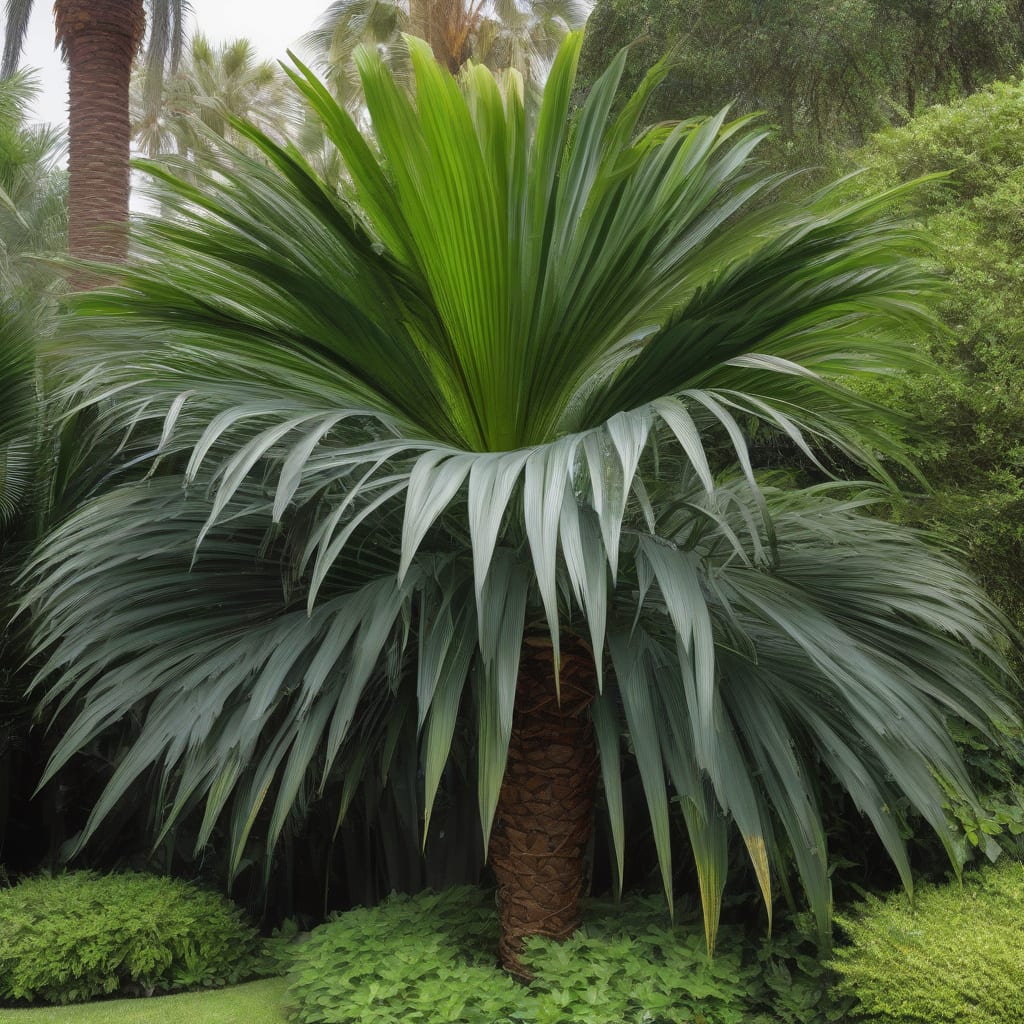
As I stand under the majestic canopy of a mature Palm Tree 🌴, I’m always amazed by their varying heights. Some species can tower above, while others remain compact and elegant.
The height of a Palm Tree depends on factors like species, climate, and care – let’s explore how tall these beautiful trees can actually grow in ideal conditions.

Palm trees are known for their varying heights, ranging from compact varieties to towering giants. The maximum height a palm tree can achieve depends largely on its species.
Some palm tree species are naturally taller than others. For example, the Quindío wax palm can grow up to 60 meters tall, making it one of the tallest palm species in the world.
The height of palm trees can vary significantly based on the species. Some species, like the Dwarf Palmetto, remain relatively short, while others can grow much taller.
When selecting a palm tree for your garden or landscape, it’s essential to consider the mature height of the species to ensure it fits well within the available space.
Factors such as climate, soil quality, and maintenance practices also play a crucial role in determining the ultimate height of a palm tree. Proper care can help a palm tree reach its full growth potential.
Some of the tallest palm tree species include the Quindío wax palm and the Royal palm, both of which can grow to impressive heights.
In contrast, dwarf varieties like the Dwarf Palmetto are more suitable for smaller gardens or landscapes where space is limited.
Understanding the growth habits of different palm tree species can help you make informed decisions when choosing the right palm tree for your needs.
Palm trees are not only valued for their height but also for their aesthetic appeal and ability to thrive in various environments.
By considering the maximum height of different palm tree species, you can better plan your garden or landscape to accommodate these beautiful trees.
In conclusion, the height of palm trees varies widely among different species, ranging from a few meters to over 60 meters. Choosing the right species for your space and providing proper care can help ensure your palm tree reaches its full potential.
The height of a palm tree is influenced by several key factors that gardeners and landscapers must consider when cultivating these beautiful plants. Understanding these factors can help you make informed decisions about palm tree care and maintenance.
Climate conditions play a crucial role in determining the ultimate height of a palm tree. Palm trees generally thrive in tropical and subtropical regions with warm temperatures and high humidity 🌴.
Climate, soil quality, watering practices, and maintenance routines all impact palm tree growth.
Soil quality is another critical factor that affects palm tree growth. Palm trees prefer well-draining soil that is rich in nutrients. Poor soil conditions can limit the growth potential of palm trees.
Watering practices also significantly impact the height of palm trees. Consistent moisture, especially during the early stages of growth, is essential for healthy development.
Maintenance routines, including fertilization and pruning, can also influence the ultimate height of a palm tree. Regular maintenance helps ensure optimal growing conditions.
By understanding and managing these factors, you can help your palm trees reach their full growth potential and thrive in your garden or landscape.
The combination of proper care and suitable environmental conditions allows palm trees to achieve their maximum height, making them a stunning addition to any outdoor space.
In summary, the height of a palm tree is determined by a combination of genetic and environmental factors, including climate, soil quality, watering, and maintenance practices.
When it comes to incorporating palm trees into your landscape or garden design, understanding how to manage their height is crucial for creating a balanced and visually appealing outdoor space 🌴.
Selecting the right palm tree species for your garden size is the first step in managing palm tree height. Dwarf varieties like the Dwarf Palmetto are ideal for smaller gardens, while larger spaces can accommodate taller species like the Royal Palm or Quindío Wax Palm.
Select palm tree species that fit your garden’s size and conditions.
Ensure optimal growing conditions through proper watering, fertilization, and maintenance.
Regular pruning helps maintain the desired height and promotes healthy growth.
By following these steps, you can effectively manage the height of your palm trees and create a beautiful, thriving landscape.
Regular maintenance is key to keeping your palm trees healthy and at the desired height. This includes pruning dead or damaged fronds and ensuring the trees receive adequate water and nutrients.
With the right care and attention, palm trees can be a stunning addition to any garden or landscape, providing a touch of tropical elegance and beauty 🌴.
