
Beautiful Plants For Your Interior
Beautiful Plants For Your Interior
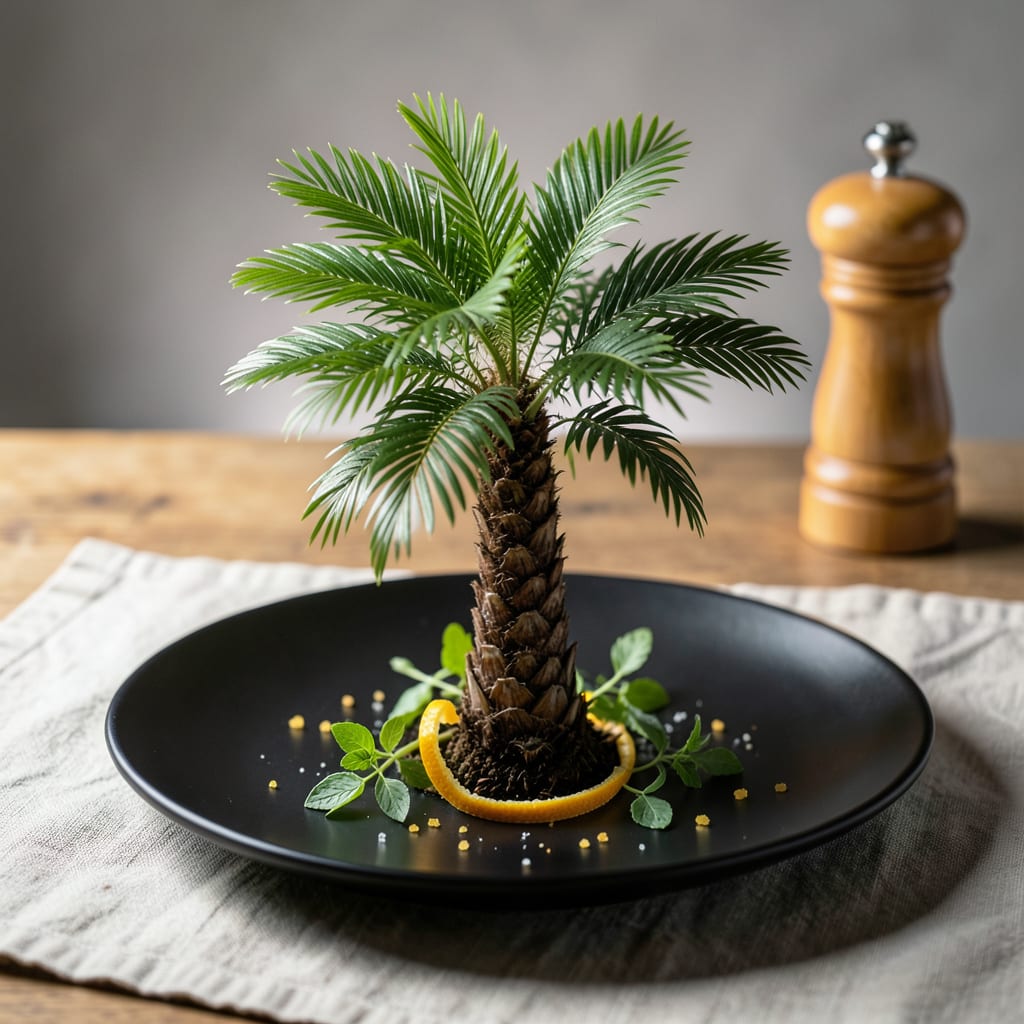
Palm trees 🌴 are iconic symbols of tropical landscapes, but their height potential varies dramatically depending on species and growing conditions. Some palm trees can grow to be over 80 feet tall, while others remain compact and dwarf.
Understanding the growth habits of palm trees is essential for gardeners and landscapers in USDA Zone 10. I’ll explore the factors that influence their height and provide tips on how to care for these beautiful trees to promote healthy growth.

3-5 ft

6-10 ft

10-15 ft

15-80 ft
Palm trees are known for their varying heights, ranging from compact dwarf varieties to towering giants. The Quindío wax palm is one of the tallest species, reaching heights of up to 200 feet in its natural habitat.
Other popular palm species have more modest height ranges. The date palm can grow to 100 feet, while the coconut palm typically reaches heights between 50-80 feet. Dwarf varieties like the pony palm remain relatively short, usually between 6-10 feet tall 🌴.
The height potential of palm trees varies significantly between species. Taller species like the Quindío wax palm and date palm require more space and specific growing conditions. In contrast, dwarf varieties are ideal for smaller landscapes or container gardening.
When selecting palm trees for landscaping, it’s essential to consider their mature height. Proper spacing ensures that the trees have enough room to grow without becoming overcrowded. Additionally, understanding the growth habits of different palm species helps in planning for future maintenance and pruning needs.
Factors such as climate, soil quality, and maintenance practices also play a crucial role in determining the ultimate height of palm trees. For instance, palm trees grown in optimal conditions with adequate sunlight, water, and nutrients are likely to reach their maximum potential height.
The growth rate of palm trees varies among species as well. Some palms grow relatively quickly, while others have a slower growth rate. Understanding these growth patterns helps in managing expectations and planning for the long-term care of the trees.
Palm trees are not only valued for their height but also for their aesthetic appeal and ability to create a tropical ambiance in landscapes. Whether you’re looking for a tall, majestic palm or a compact, dwarf variety, there’s a palm tree species to suit your needs.
By choosing the right palm species and providing proper care, you can enjoy these beautiful trees for years to come. Regular maintenance, including pruning and fertilization, contributes to the overall health and appearance of palm trees.
In conclusion, the height potential of palm trees is influenced by a combination of factors, including species, growing conditions, and care practices. By understanding these factors, you can make informed decisions when selecting and caring for palm trees in your landscape 🌿.
The height of palm trees is influenced by multiple factors that gardeners and landscapers must consider when cultivating these plants. Understanding these elements is crucial for promoting healthy growth and achieving the desired height for different palm species 🌴.
Climate plays a significant role in determining the height potential of palm trees. Palms growing in tropical climates with consistent warmth and adequate rainfall tend to reach their maximum height more effectively than those in cooler or drier regions.
The height of palm trees is influenced by climate, soil quality, watering, and maintenance practices. Optimal conditions with adequate sunlight, water, and nutrients help palms reach their maximum potential height.
Soil quality is another critical factor affecting palm tree height. Palms thrive in well-draining soil rich in organic matter and essential nutrients. Poor soil conditions can limit the growth and height of palm trees, making regular soil testing and amendment important for optimal growth.
Watering practices also impact the height potential of palm trees. Consistent moisture is essential, especially during the early stages of growth. However, overwatering can lead to root rot and other issues that may stunt the growth of palms.
Maintenance practices, including pruning and fertilization, contribute significantly to the overall health and height of palm trees. Regular pruning removes dead or damaged fronds, promoting healthy growth, while appropriate fertilization provides necessary nutrients for optimal development.
By understanding and managing these factors, gardeners and landscapers can help palm trees achieve their full height potential. Proper care and attention to the specific needs of different palm species ensure that these beautiful trees thrive in various landscapes 🌿.
The growth rate of palm trees varies among species, with some growing relatively quickly and others more slowly. Understanding these growth patterns helps in managing expectations and planning for long-term care.
In conclusion, the height potential of palm trees is influenced by a combination of factors, including climate, soil quality, watering, and maintenance practices. By providing optimal conditions and proper care, palm trees can reach their maximum height and remain healthy for years to come.
When it comes to landscaping with palm trees, understanding their height potential is crucial for creating a balanced and visually appealing outdoor space 🌴.
Selecting the right palm species for your landscape is the first step in managing palm tree height. Consider factors such as mature height, growth rate, and space availability to ensure that your palm trees have enough room to grow without becoming overcrowded.
Select palm species that fit your landscape’s size and conditions. Dwarf varieties like the pony palm are ideal for smaller spaces, while taller species like the coconut palm suit larger landscapes.
Ensure your palm trees receive adequate sunlight, water, and nutrients. Regular pruning and fertilization promote healthy growth and help maintain the desired height.
Regularly inspect your palm trees for signs of stress or nutrient deficiencies. Adjust your care routine as needed to support optimal growth and maintain the desired height.
By following these tips, you can effectively manage the height of your palm trees and create a beautiful, tropical landscape that enhances your outdoor living space 🌿.
Proper care and maintenance are key to ensuring that your palm trees remain healthy and thrive. With the right approach, you can enjoy the beauty and benefits of palm trees in your landscape for years to come.
