
Beautiful Plants For Your Interior
Beautiful Plants For Your Interior
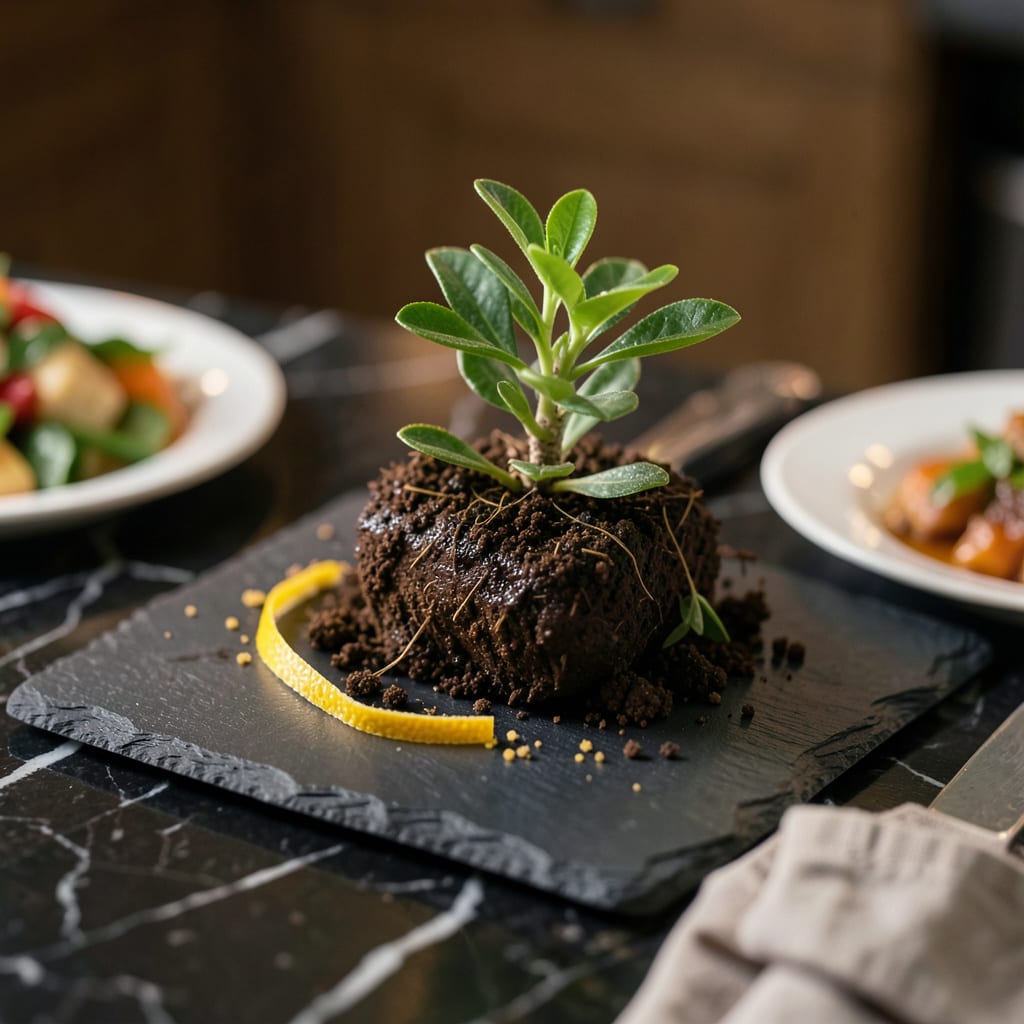
Fertilizing your Tree 🌳 at the right time can make all the difference in its health and growth. In USDA Zone 6, timing is everything – fertilizing during the wrong season can do more harm than good.
I’ll guide you through the best times to fertilize your Tree, helping you make informed decisions for its care. Let’s explore the optimal fertilization schedule for a thriving Tree.

Fertilizing trees is a crucial step in maintaining their health and promoting growth. The timing of fertilization depends on various factors, including the tree species, age, and climate 🌳.
In general, the best time to fertilize trees is during their active growing season. For most trees, this occurs in the spring and early fall. During these periods, trees can absorb nutrients more effectively, supporting healthy development.
The spring fertilization is particularly important as it provides essential nutrients for the growing season. It’s best to fertilize when the soil is workable and before new growth begins.
In the early fall, fertilizing helps trees recover from summer stress and promotes root growth, preparing them for the next growing season.
Soil conditions play a significant role in determining the best fertilization schedule. It’s essential to test your soil to understand its nutrient content and pH level.
Fertilizing trees in the wrong season can be ineffective or even harmful. For example, fertilizing in the late fall or winter can promote new growth that may not have time to harden off before frost.
Understanding the growth patterns of your trees and the specific nutrient needs is crucial for effective fertilization.
It’s also important to consider the type of fertilizer used and its application method to ensure maximum benefit and minimal environmental impact 🌿.
By fertilizing at the right time and using the appropriate techniques, you can significantly enhance the health and vitality of your trees.
Regular soil testing and monitoring of tree health will help you adjust your fertilization strategy as needed.
Fertilization is just one aspect of comprehensive tree care; other factors like watering, pruning, and pest management also play critical roles in maintaining tree health.
By combining proper fertilization with other care practices, you can ensure your trees thrive for years to come 🌳.
Before fertilizing trees, it’s essential to consider several factors that can impact the effectiveness of the fertilization process. I always recommend assessing the tree’s overall health, age, and species to determine the best fertilization strategy 🌳.
The soil conditions play a critical role in tree fertilization. Factors such as soil pH, nutrient levels, and moisture content can significantly affect how well the tree absorbs the fertilizer. I suggest conducting a soil test to understand its composition and identify any potential deficiencies 🔍.
Be aware that over-fertilization can harm trees. Always follow the recommended application rates and consider consulting with a local arborist for personalized advice.
The age and health status of the tree are also crucial factors. Young trees typically require more frequent fertilization to support their rapid growth, while mature trees may need less frequent applications. Additionally, trees under stress or showing signs of nutrient deficiency may benefit from targeted fertilization 🌱.
Understanding the specific needs of your tree species is vital. Different species have varying nutrient requirements, and some may be more sensitive to certain fertilizers. Researching the specific needs of your tree can help you make informed decisions about fertilization 🌲.
Finally, consider the timing of fertilization in relation to other tree care practices. For example, fertilizing before pruning can help promote healthy regrowth, while fertilizing after pest or disease management can support the tree’s recovery 🌿.
By carefully considering these factors, you can develop an effective fertilization plan that supports the health and growth of your trees.
Regular monitoring of your tree’s response to fertilization is also important. This allows you to adjust your fertilization strategy as needed to ensure optimal results 📊.
For more specific guidance on tree fertilization and care, I recommend consulting with a local gardening expert or arborist who can provide tailored advice based on your tree’s unique needs.
Fertilizing trees properly is crucial for their healthy development. I’ll guide you through the steps to ensure you’re giving your trees the best chance to thrive 🌳.
The first step is to choose the right fertilizer. A balanced fertilizer with an NPK ratio of 10-10-10 is generally recommended for most trees. This provides the necessary nutrients for healthy growth 🌱.
Conduct a soil test to determine its pH and nutrient levels. This helps you choose the right fertilizer and avoid over-fertilizing 🔍.
Spread the fertilizer evenly over the drip line of the tree, avoiding the trunk. Water thoroughly after application to help the nutrients reach the roots 💧.
Keep an eye on your tree’s response to fertilization and adjust your strategy as needed. Regular soil testing and monitoring tree health are key to successful fertilization 📊.
By following these steps and using the right techniques, you can significantly enhance the health and vitality of your trees 🌟.
Proper fertilization is just one aspect of comprehensive tree care. Combining it with other practices like watering, pruning, and pest management will ensure your trees thrive for years to come 🌳.
For more specific guidance on tree fertilization and care, I recommend consulting with a local gardening expert or arborist who can provide tailored advice based on your tree’s unique needs 🌲.
The best time to fertilize trees is during their active growing season, typically in spring and early fall. These periods allow trees to absorb nutrients effectively, supporting healthy development. Fertilizing in spring provides essential nutrients for the growing season, while early fall fertilization promotes root growth and prepares trees for winter.
Fertilization frequency depends on factors like tree species, age, and soil conditions. Generally, trees require fertilization every 4-6 weeks during the growing season. Young trees typically need more frequent fertilization to support rapid growth, while mature trees may require less frequent applications. Regular soil testing helps determine the optimal fertilization schedule.
It’s generally recommended to avoid fertilizing trees during peak summer heat to prevent stress. Summer fertilization can promote new growth that may not have time to harden off before winter, making trees more susceptible to damage. Instead, focus on fertilizing in spring or early fall when trees can better utilize the nutrients.
A balanced fertilizer with an NPK ratio of 10-10-10 is typically recommended for most trees. This provides the necessary nutrients for healthy growth. However, the specific fertilizer needs may vary depending on tree species and soil conditions. Conducting a soil test helps determine the most suitable fertilizer for your trees.
