
Beautiful Plants For Your Interior
Beautiful Plants For Your Interior
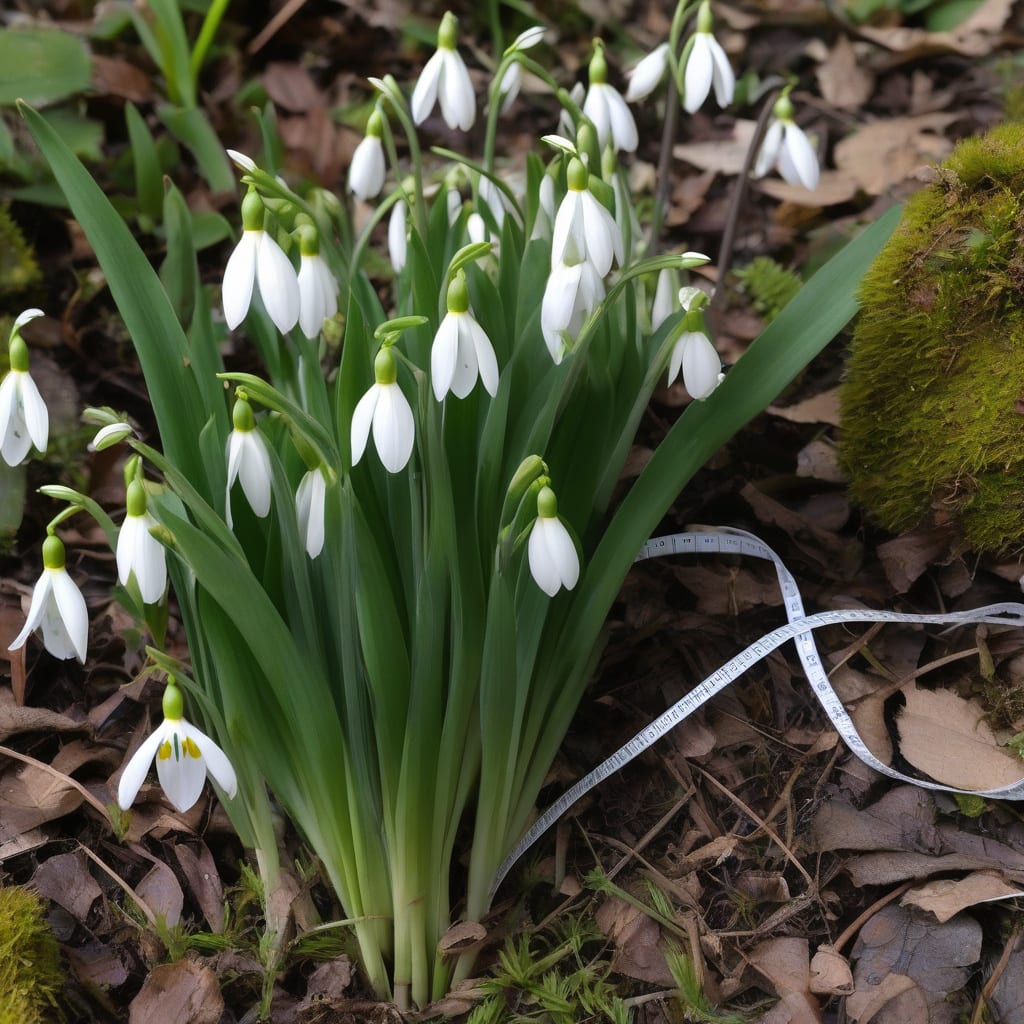
As winter’s chill begins to fade, ❄️ Snowdrops emerge as one of the first signs of spring, pushing through cold soil to bloom in late winter. Their delicate white flowers are a welcome sight after months of dormancy.
Understanding how tall Snowdrops grow helps gardeners in USDA zones 3-8 create perfect conditions for these flowers. Let’s explore their typical height and growth habits to maximize their blooming potential.

Snowdrops are known for their delicate beauty and early blooming habit. Typically, they grow between 6-12 inches (15-30 cm) tall, with some varieties reaching slightly taller heights under optimal conditions. Their slender stems support nodding white flowers that appear in late winter to early spring.
The height of snowdrops can be influenced by several factors including soil quality, sunlight exposure, and watering conditions. Snowdrops generally thrive in well-draining soil that is rich in organic matter. They prefer partial shade to dappled sunlight, which mimics their natural woodland habitat.
Snowdrops typically bloom for 3-4 weeks in late winter to early spring, providing a crucial source of early nectar for pollinators. Their growth cycle begins in fall when they start developing roots, followed by leaf and flower production in late winter 🌼.
To support healthy growth, it’s recommended to plant snowdrop bulbs in the fall, about 6-8 weeks before the ground freezes.
Their ability to naturalize and multiply makes them a great choice for gardeners looking for a hassle-free, yet beautiful, addition to their landscape.
By understanding and meeting their basic growth requirements, gardeners can enjoy these charming flowers year after year.
To maximize snowdrop growth, gardeners should focus on proper planting techniques and post-bloom care. Planting at the correct depth and spacing is crucial for healthy development.
Plant snowdrop bulbs in the fall, about 6-8 weeks before the ground freezes. The ideal planting depth is 3-4 inches, with bulbs spaced 3-4 inches apart. This depth helps protect the bulbs from extreme temperatures and allows for proper root development 🌼.
For optimal growth, plant snowdrop bulbs in groups rather than singly. This natural clustering helps create a more dramatic display when they bloom.
Proper soil preparation is essential for maximizing snowdrop height. The soil should be well-draining and rich in organic matter. Adding compost or well-rotted manure before planting can improve soil quality and provide necessary nutrients.
Post-bloom care is critical for snowdrops to reach their full height potential. After flowering, allow the foliage to die back naturally. This process can take several weeks to a few months, depending on growing conditions.
Avoid cutting or tying back the foliage until it has turned yellow and wilted. Premature removal of foliage can weaken the bulb and reduce flowering in subsequent years 🔍.
A light application of balanced fertilizer after blooming can help support snowdrop growth for the following year. Use a fertilizer with a balanced NPK ratio, such as 5-10-10, and apply it according to the manufacturer’s instructions.
By following these guidelines, gardeners can create optimal conditions for snowdrops to grow and thrive, maximizing their height and blooming potential.
Regular division and replanting every few years can also help maintain the health and vigor of snowdrop colonies, ensuring they continue to bloom well and reach their full height potential 🌱.
With proper care and attention, snowdrops can become a beautiful and enduring part of any garden, providing a welcome burst of color in late winter.
Snowdrops come in various species, each with unique growth characteristics and height ranges. Understanding these differences helps gardeners choose the right varieties for their specific needs and growing conditions.
The most common snowdrop species include Galanthus nivalis and Galanthus elwesii. These varieties differ in their typical heights and growth habits.
When selecting snowdrop varieties, consider factors such as flower size, blooming time, and growth habit. Some varieties are more vigorous and can naturalize quickly, while others may be more compact and slower to spread.
Gardening success with snowdrops depends on matching the variety to your specific growing conditions and garden design. By understanding the different height ranges and growth characteristics, you can create a beautiful and diverse snowdrop display 🌼.
For best results, plant multiple varieties together to create a naturalized look that blooms over several weeks. This approach not only provides visual interest but also extends the overall flowering period ❄️.
