
Beautiful Plants For Your Interior
Beautiful Plants For Your Interior
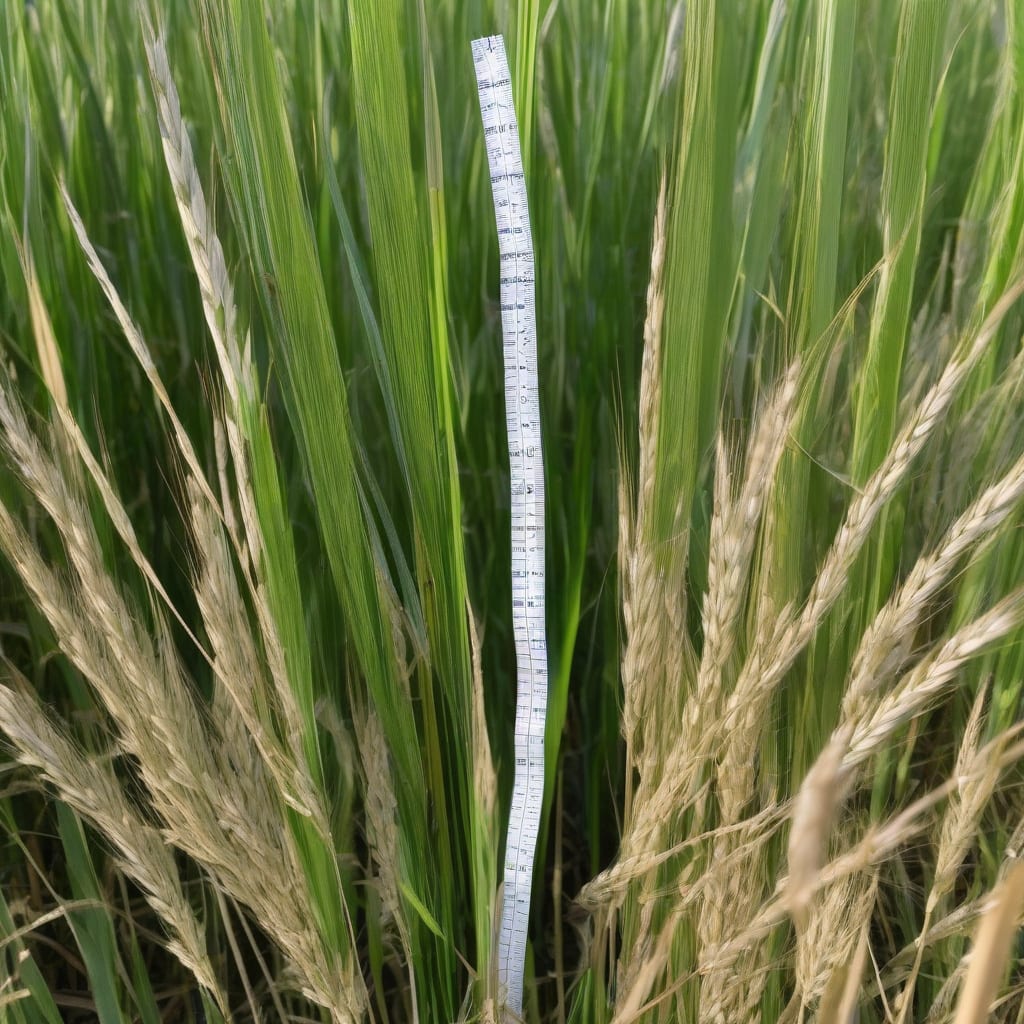
As I explore the world of cover crops, I’m fascinated by Winter Rye 🌾 and its growth patterns. This versatile crop can grow to varying heights, making it suitable for different agricultural purposes.
The height of Winter Rye can range from 2 to 6 feet, depending on factors like climate, soil quality, and planting time. Understanding these factors is crucial for gardeners and farmers to make informed decisions about its use in their fields or gardens.


As I explore the factors that influence Winter Rye height, I find that climate, soil quality, and planting time play crucial roles. Understanding these factors helps gardeners and farmers make informed decisions about Winter Rye cultivation.
The height of Winter Rye can vary significantly based on these factors. For instance, temperature and moisture levels during the growing season can impact its growth. Generally, Winter Rye thrives in cooler temperatures with adequate moisture 🌾.
In addition to these primary factors, soil pH and nutrient availability also affect Winter Rye height. Maintaining a slightly acidic to neutral soil pH (around 6.0-7.0) and ensuring adequate nitrogen and phosphorus levels can promote healthy growth.
Regional growing conditions also play a significant role. For example, Winter Rye grown in regions with longer growing seasons and milder winters tends to grow taller than in areas with harsher winters and shorter growing seasons.
By considering these factors, gardeners and farmers can better understand how to optimize Winter Rye growth and achieve the desired height for their specific needs 🌟.
Further exploration into the genetic variations among Winter Rye cultivars reveals that some are bred for height, disease resistance, or cold hardiness. These genetic differences can significantly impact the final height of the crop.
Understanding the interplay between these factors is crucial for maximizing Winter Rye height and achieving optimal results in various agricultural applications.
As we continue to explore the factors affecting Winter Rye height, it becomes clear that a combination of proper management practices and environmental conditions is essential for achieving the desired outcomes.
By managing these factors effectively, gardeners and farmers can optimize Winter Rye growth and achieve the desired height for their specific needs.
The height of Winter Rye is a critical factor in determining its suitability for different agricultural purposes, and understanding the factors that influence it is essential for making informed decisions.
In conclusion, the height of Winter Rye is influenced by a complex interplay of factors, including climate, soil quality, planting time, and genetic variations. By understanding and managing these factors, gardeners and farmers can optimize Winter Rye growth and achieve the desired height for their specific needs.
As I explore the growth patterns of Winter Rye, I find that its height can vary significantly based on several factors. Understanding the average height range helps gardeners and farmers plan their agricultural practices effectively.
The height of Winter Rye plants can range from 2 to 6 feet, with most cultivars falling within the 3 to 4 feet range. This variation is due to differences in genetic makeup, growing conditions, and agricultural practices 🌾.
Most Winter Rye cultivars grow between 3 to 4 feet tall, making them suitable for various agricultural applications.
Some Winter Rye varieties can reach heights of up to 6 feet under optimal growing conditions.
In less favorable conditions, Winter Rye can still grow to a height of around 2 feet, still providing benefits as a cover crop.
The average height range of Winter Rye is influenced by factors such as soil quality, climate, and planting density. By understanding these factors, gardeners and farmers can better manage their Winter Rye crops to achieve the desired height 🌟.
For example, planting density can significantly impact the height of Winter Rye. Higher planting densities can lead to taller plants, while lower densities may result in shorter plants.
Additionally, soil fertility and moisture levels during the growing season can also impact the height of Winter Rye. Ensuring adequate nutrient availability and water supply can promote healthy growth and maximize height potential.
By considering these factors and managing them effectively, gardeners and farmers can optimize Winter Rye growth and achieve the desired height for their specific needs.
Understanding the average height range of Winter Rye is essential for making informed decisions about its use in various agricultural applications.
As I explore the management of Winter Rye height, I find that planting density, fertilization, and mowing strategies are crucial for achieving optimal results. By understanding how to control these factors, gardeners and farmers can optimize Winter Rye growth and achieve the desired height for their specific needs.
One effective way to manage Winter Rye height is by adjusting planting density. Higher planting densities can lead to taller plants, while lower densities may result in shorter plants. This allows farmers to tailor their planting strategy to their specific agricultural needs 🌾.
To optimize Winter Rye height, consider using a balanced fertilizer at planting time, and adjust mowing strategies based on your specific agricultural needs.
Fertilization also plays a significant role in managing Winter Rye height. Using a balanced fertilizer at planting time can promote healthy growth and maximize height potential. Ensuring adequate nutrient availability is essential for achieving optimal results.
Mowing strategies can also be used to control Winter Rye height. By adjusting mowing heights and frequencies, farmers can maintain the desired height and promote healthy growth 🌟.
By considering these management strategies and tailoring them to their specific needs, gardeners and farmers can optimize Winter Rye growth and achieve the desired height for their agricultural applications.
Effective management of Winter Rye height is crucial for maximizing its benefits as a cover crop. By understanding how to control factors like planting density, fertilization, and mowing strategies, farmers can achieve optimal results.
In conclusion, managing Winter Rye height requires a combination of proper management practices and environmental considerations. By understanding and managing these factors, gardeners and farmers can optimize Winter Rye growth and achieve their desired outcomes.
